
The stone crusher, a seemingly rudimentary piece of heavy machinery, is in fact a cornerstone of modern infrastructure and development. Its primary function—to reduce large rocks into smaller gravel, sand, or dust—belies its profound economic significance. When this machinery is contextualized within the framework of commerce, or “berniaga” as it is known in Malay and Indonesian contexts, it reveals a complex and vital industry. This article provides a comprehensive analysis of the stone crusher business, examining its market drivers, operational models, financial considerations, regulatory environment, and strategic challenges.
At its core, the stone crusher exists to serve the insatiable demand for construction aggregates. These materials are the literal building blocks of society, essential for: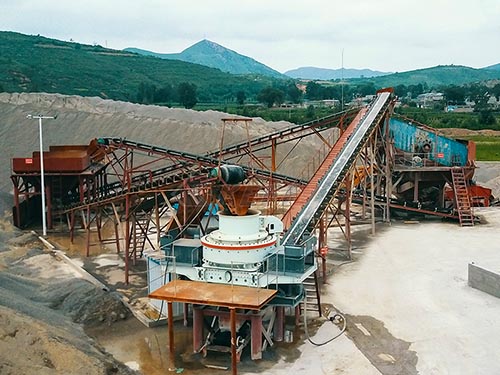
The market for crushed stone is directly correlated with economic growth and urbanization. Government investments in public infrastructure (roads, ports, airports), private sector real estate development, and industrial projects are the primary drivers. Consequently, the stone crusher business is often a leading indicator of a region’s economic health. In emerging economies experiencing rapid development—such as those in Southeast Asia where the term “berniaga” is prevalent—the demand for aggregates can be particularly high, creating lucrative opportunities for crusher operators.
The commercial engagement (berniaga) with stone crushers can take several forms, each with distinct operational characteristics and capital requirements.
A. The Quarry-Based Integrated Operation
This is the most capital-intensive model. A company owns or leases a land area with a viable rock deposit (a quarry). The operation involves:
This model offers maximum control over the supply chain and product quality but requires significant investment in land, mining permits, heavy equipment (excavators, loaders), and the crushers themselves.
B. The Portable Crushing Contractor
This flexible model involves mobile crushing units that can be transported to various job sites. This is ideal for:
This business model reduces transportation costs for raw materials and offers greater flexibility. However, it may involve higher equipment maintenance due to frequent relocation and reliance on securing short-to-medium term contracts.
C. The Equipment Rental and Service Provider
Some businesses focus not on producing aggregates but on supporting those who do. This includes:
This model can be less cyclical than direct aggregate production but requires deep technical expertise.
Entering the stone crushing business requires substantial capital expenditure (CAPEX). The primary costs include:
Revenue is generated by selling various aggregate products at prices dictated by local market supply-and-demand dynamics,g product grade,and quality.The profitability hinges on operational efficiency: maximizing output while minimizing downtime,fuel consumption,and wear-part costs.High-volume operations typically benefit from economies of scale.
No analysis of this industry can be complete without addressing its significant environmental impact.This makes regulation acentral aspectof doing business (berniaga) responsiblyand sustainably.Key regulatory areas include:
Lorem ipsum dolor sit amet, consectetur adipisicing elit. Consectetur sequi saepe ut sunt eveniet perferendis excepturi, iste obcaecati. Qui tempore hic sed quia soluta obcaecati vel.