
In the global construction, mining, and aggregate industries, the stone crusher plant stands as a cornerstone of operational efficiency. For businesses looking to establish or upgrade their crushing capabilities, navigating the wholesale market is a critical step. This detailed guide provides a professional and objective analysis of sourcing from stone crusher plant wholesalers, focusing on the multifaceted journey to securing not just the lowest cost, but the Best Price—a true equilibrium of quality, value, service, and long-term operational economy.
Stone crusher plant wholesalers operate as vital intermediaries between manufacturers (OEMs – Original Equipment Manufacturers) and end-users. They range from large international distributors with extensive portfolios to specialized regional players. Their value proposition extends beyond mere equipment supply:
The most common pitfall is equating “best price” with the lowest initial capital expenditure (CAPEX). A professional assessment requires a Total Cost of Ownership (TCO) analysis over the plant’s lifecycle (typically 10-15 years).
Key TCO Components: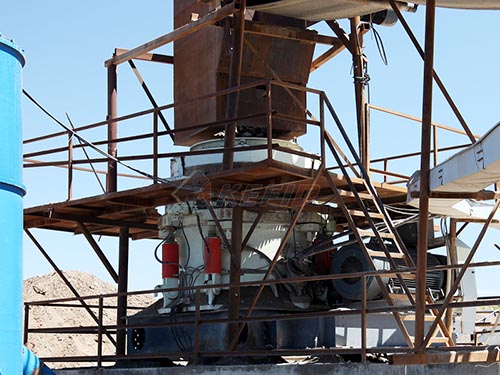
A wholesaler offering a plant at a 20% premium but with 30% lower wear rates, 15% higher energy efficiency, and backed by a reliable local service network will invariably provide a superior Best Price over time.
When engaging with wholesalers, evaluate their offerings against these parameters:
1. Plant Configuration & Technology:
2. Component Quality & Brand Equity:
Wholesalers may offer plants featuring OEM brands (like Metso Outotec’s Nordberg® cones or Sandvik’s jaws) or compatible/replacement parts. Clarify this explicitly.
3. Customization vs. Standardization:
A standard plant design is cheaper upfront. However, a plant customized by the wholesaler’s engineering team to your specific feed material (abrasiveness, moisture content) and final product specifications (#57 stone vs. manufactured sand) will yield optimal throughput and product quality—justifying any additional engineering cost.
Define Your Requirements Rigorously:
Comprehensive Market Research:
Request for Proposal RFP Process:
Provide your detailed requirements to multiple shortlisted wholesalers Request not just a price list but:
Technical Evaluation Due Diligence:
5 Negotiation Finalization:
Negotiate from an informed position Focus on value packages:
Potential bundling of initial spare parts training extended warranty periods Consider financing options they may facilitate Remember that everything is negotiable including payment terms which can significantly impact project cash flow
The Lowest Bidder Syndrome A price suspiciously lower than all others often indicates inferior components lack of customization or hidden costs in shipping/commissioning Over-Promising Performance Unrealistic guarantees on throughput or wear life without contractual penalties for shortfall Lack of Technical Depth The sales team cannot answer detailed engineering questions or connect you with their in-house engineer Vague Warranty Language Warranties that exclude major wear parts or have overly restrictive conditions Poor Communication Slow unprofessional responses during the quoting phase typically foreshadow worse support after payment
Securing the best price for a stone crusher plant wholesale is an exercise in systematic procurement lifecycle cost analysis relationship building It transcends transactional haggling The optimal partner is a wholesaler who functions as a solutions provider one who demonstrates deep technical understanding offers transparent competitive pricing based on clear specifications stands behind their equipment with robust accessible support By investing time in thorough requirement definition rigorous vendor evaluation TCO-based comparison you position your operation not just to purchase machinery but to invest in a productive reliable asset that will deliver the lowest cost per ton crushed over its entire service life—the ultimate definition of Best Price In this capital-intensive industry such strategic sourcing is not merely advisable it is fundamental to long-term profitability competitiveness
Lorem ipsum dolor sit amet, consectetur adipisicing elit. Consectetur sequi saepe ut sunt eveniet perferendis excepturi, iste obcaecati. Qui tempore hic sed quia soluta obcaecati vel.