The Comprehensive Guide to Sourcing from a Stone Crusher Plant Wholesaler: Achieving Affordability Without Compromising Quality
In the global construction and infrastructure development sectors, the demand for aggregates—crushed stone, sand, and gravel—is perpetual and massive. At the heart of this supply chain lies the stone crusher plant wholesaler, a pivotal entity that bridges large-scale production with diverse market needs. For contractors, developers, and large-scale buyers, finding an affordable wholesaler is not merely about securing the lowest price but about optimizing value across the entire procurement lifecycle. This detailed analysis explores the multifaceted role of a stone crusher plant wholesaler, defines true affordability in this context, and provides a strategic framework for making cost-effective, reliable sourcing decisions.
Understanding the Role of a Stone Crusher Plant Wholesaler
A stone crusher plant wholesaler operates as a critical intermediary or direct bulk producer. Unlike retailers who sell small quantities, wholesalers deal in large volumes directly from fixed or mobile crushing plants. Their core functions include:
- Aggregation of Supply: They consolidate output from one or multiple crushing plants, ensuring a consistent and varied inventory of aggregate sizes (from dust and sand to large rip-rap).
- Quality Assurance & Standardization: Reputable wholesalers implement grading and quality control processes to ensure materials meet specific industry standards (e.g., ASTM, BS) for projects like road base, concrete production, or railway ballast.
- Logistics & Distribution: They manage complex logistics, operating fleets of dump trucks, conveyor systems, or coordinating rail and barge transport for cost-effective bulk delivery.
- Market Buffer: They absorb production fluctuations from crushers, providing buyers with stable availability despite variable plant output.
Deconstructing “Affordability”: Beyond the Sticker Price
In wholesale crushing, affordability is a composite metric. The cheapest per-ton quote can become prohibitively expensive through hidden costs and inefficiencies. True affordability encompasses:
- Total Cost of Ownership (TCO): This includes the base material cost plus transportation (distance = fuel), loading/unloading time, storage costs on-site, and material waste due to poor quality.
- Consistency & Reliability: Inconsistent grain size or contamination with clay/soil can weaken concrete or asphalt, leading to structural failures and monumental rework costs. A reliable wholesaler ensures every load meets spec.
- Operational Efficiency: Well-graded aggregates compact better and require less binder (cement or asphalt), directly reducing project costs. A trustworthy supplier provides certified lab reports.
- Supply Continuity: Project delays due to material shortages are catastrophic. An affordable wholesaler is one that guarantees timely delivery, keeping expensive machinery and labor productive.
- Technical Support: The ability to consult on the best aggregate type for a specific application (e.g., gabion stone vs. drainage stone) prevents costly misuse.
Key Strategies for Identifying an Affordable Wholesaler
-
Evaluate the Source Plant’s Technology:
- Plant Type: Mobile crushers offer flexibility for on-site crushing at large projects near the source quarry, potentially slashing transport costs. Fixed plants often have higher capacity and consistency for regional supply.
- Crushing Stages: Modern plants use primary (jaw crusher), secondary (cone/impact crusher), and tertiary (VSI crusher) stages to produce precisely shaped cubical aggregates essential for high-strength concrete.
- Automation & Efficiency: Automated screening and closed-circuit crushing systems minimize waste and optimize yield, benefits that a forward-thinking wholesaler passes on.
-
Conduct Rigorous Due Diligence:
- Site Visits: Inspect the crushing plant and stockpiles. Look for organized segregation of sizes, clean material free of debris, and dust control measures.
- Request Certifications: Ask for proof of business licenses, environmental compliance permits (critical for legality), and aggregate test certificates from independent labs.
- Check References: Speak to other large-scale buyers about their experience with delivery punctuality, problem resolution, and consistency over long-term contracts.
-
Optimize Logistics – The Largest Variable Cost:
- Proximity Matters: Source from the nearest qualified wholesaler to your project site; transport can exceed 50% of the delivered cost.
- Delivery Mode Optimization: For massive projects (>50km), explore rail or water transport options some wholesalers offer for drastically lower ton-mile costs.
- Backhaul Opportunities: Partner with a wholesaler who can coordinate backhaul loads to reduce empty truck miles.
-
Structure Favorable Commercial Terms:
- Volume Commitments: Secure significant discounts by committing to long-term purchase agreements or scheduled bulk deliveries.
- Clear Pricing Models: Understand if pricing is FOB (Free On Board at plant) or delivered; clarify fees for waiting time during unloading.
- Performance-Based Contracts: Tie part of the agreement to key performance indicators like on-time delivery rate (>98%) and material acceptance rate.
The Hidden Value-Adds of a Professional Wholesaler
An affordable wholesaler differentiates through services that reduce your project’s risk profile: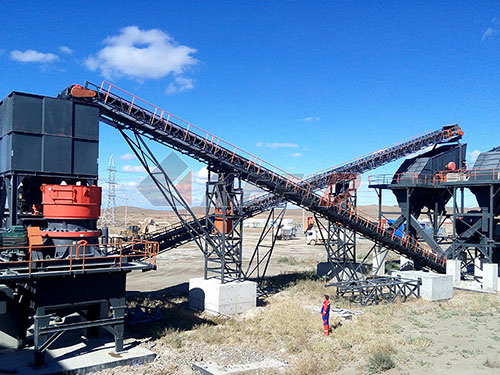
- Technical Data Sheets (TDS): Providing comprehensive data on abrasion resistance (Los Angeles Abrasion test), specific gravity, water absorption, etc.
- Blending Capabilities: Custom-blending aggregates to meet unique specifications you require.
- Just-in-Time (JIT) Delivery Scheduling: Integrating with your project timeline to minimize on-site storage needs.
- Sustainability Credentials: Offering recycled aggregates from construction demolition waste processed through their plants—often at a lower cost and with environmental benefits.
Global Market Dynamics Affecting Affordability
The affordability landscape is shaped by macro-factors:
- Fuel Prices: Directly impact extraction (plant operation) and transportation costs.
- Regulatory Environment: Stricter environmental controls on quarrying increase operational costs but ensure long-term supply sustainability.
- Infrastructure Investment Cycles: Government spending on roads/housing creates demand spikes; locking in contracts during planning phases can hedge against price volatility.
Conclusion: A Strategic Partnership Mindset
Sourcing from an affordable stone crusher plant wholesaler is fundamentally an exercise in strategic procurement rather than simple price shopping. It requires viewing the wholesaler as a partner integral to your project’s success—a partner whose operational excellence directly safeguards your budget timeline quality outcomes By investing time in due diligence focusing on total cost analysis prioritizing logistical efficiency structuring smart contracts you transform affordability from elusive goal into managed competitive advantage Ultimately most affordable wholesale partner one whose consistent reliable high-quality supply keeps your projects moving forward smoothly without expensive surprises thereby building foundation not just structures but also profitable sustainable business future
