
Title: Stone Crusher Plant Manufacturer: Achieving Competitive Pricing Through Engineering Excellence and Operational Efficiency
Introduction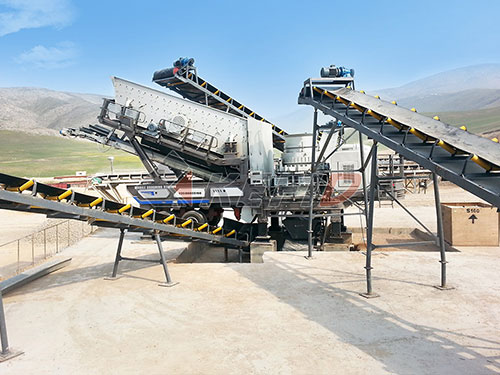
In the global construction and mining industries, the stone crusher plant stands as a fundamental asset for aggregate production, road construction, and mineral processing. The demand for high-quality crushed stone—ranging from 0–5 mm fine aggregates to 40–80 mm base materials—continues to grow, driven by urbanization, infrastructure development, and industrial expansion. For project owners, contractors, and quarry operators, selecting the right stone crusher plant manufacturer is a decision that directly impacts capital expenditure, operational cost, product quality, and project timelines. Among the most critical factors in this selection process is the competitive price offered by the manufacturer. However, a low price alone is insufficient; it must be balanced with reliability, durability, after-sales service, and compliance with international standards. This article provides a comprehensive, objective analysis of what constitutes a competitive price from a stone crusher plant manufacturer, the factors influencing pricing, and how buyers can evaluate offers to ensure long-term value.
1. Understanding the Stone Crusher Plant: Types and Configurations
Before delving into pricing, it is essential to understand the product itself. A stone crusher plant is a complete set of machinery designed to crush large rocks into smaller, usable aggregates. The typical components include a vibrating feeder, jaw crusher, impact crusher or cone crusher, vibrating screen, belt conveyor, and control system. Plants can be stationary, semi-mobile, or fully mobile (track-mounted). The configuration varies based on the raw material type (hard rock, limestone, granite, basalt, river gravel), desired output size, capacity (tons per hour), and end-use application.
A competitive price must reflect the specific configuration, not a generic quote. A manufacturer offering a low price for a stationary plant may be using lower-grade steel, undersized motors, or simplified control systems that compromise reliability.
2. Factors That Determine Competitive Pricing
A truly competitive price is not simply the lowest number on a quotation. It is the price that delivers the best total cost of ownership (TCO) over the plant’s lifecycle. The following factors influence pricing from a manufacturer’s perspective:
2.1 Raw Material and Component Quality
The cost of steel, castings, bearings, electric motors, and hydraulic components constitutes a major portion of the manufacturing cost. Manufacturers who source high-quality, certified steel (e.g., wear-resistant plates, high-manganese steel for jaw plates) and premium bearings (SKF, FAG, NSK) will have higher upfront costs but offer longer service life and lower maintenance. Conversely, manufacturers using recycled steel or generic components can offer lower initial prices but may lead to frequent breakdowns and higher operational costs.
2.2 Engineering and Design Expertise
A well-engineered plant optimizes crushing chamber geometry, feed distribution, and screen efficiency. This reduces energy consumption per ton and increases throughput. Manufacturers with in-house R&D teams, CAD/CAM design capabilities, and simulation software (e.g., DEM, FEA) invest more in design but deliver plants that are more efficient and reliable. Their competitive price is justified by lower operating costs.
2.3 Manufacturing Scale and Automation
Large-scale manufacturers with automated welding robots, CNC machining centers, and standardized production lines achieve economies of scale. They can offer competitive prices due to lower per-unit labor costs, reduced waste, and faster production cycles. Small or medium manufacturers may have higher unit costs but can offer more customization and personalized service.
2.4 After-Sales Service and Spare Parts Availability
A competitive price must include the cost of after-sales support. Manufacturers with a global or regional network of service engineers, spare parts warehouses, and training programs provide added value. A low-priced plant that requires expensive, hard-to-find spare parts or long downtime for repairs is not competitive in the long run.
2.5 Compliance with International Standards
Manufacturers that adhere to ISO 9001, CE, GOST, or other certifications incur additional costs for quality management, testing, and documentation. However, these certifications ensure that the plant meets safety, environmental, and performance standards. A non-certified plant may be cheaper but could face import restrictions, insurance issues, or safety hazards.
3. How Manufacturers Achieve Competitive Pricing
Leading stone crusher plant manufacturers employ several strategies to offer competitive prices without sacrificing quality:
3.1 Vertical Integration
By controlling the supply chain—from steel procurement to casting, machining, and assembly—manufacturers reduce intermediary costs. For example, a manufacturer that operates its own foundry for wear parts can offer lower prices for replacement parts and ensure consistent quality.
3.2 Standardization and Modular Design
Offering standardized plant configurations (e.g., 100 tph, 200 tph, 300 tph) with modular components reduces engineering time and production complexity. This allows for bulk purchasing of components and faster assembly, lowering the overall price.
3.3 Localization of Production
Manufacturers with production facilities in multiple regions (e.g., India, China, Turkey, Brazil) can reduce shipping costs, import duties, and currency risks. Local production also enables faster delivery and localized after-sales support.
3.4 Use of Advanced Manufacturing Technologies
Automation, robotics, and lean manufacturing techniques reduce labor costs and defects. For instance, robotic welding ensures consistent weld quality, reducing the need for rework and material waste.
3.5 Strategic Partnerships with Component Suppliers
Long-term agreements with suppliers of motors, bearings, and control systems can secure volume discounts. These savings are passed on to customers in the form of competitive pricing.
4. Evaluating Competitive Price: A Buyer’s Perspective
For a buyer, a competitive price should be assessed through a multi-dimensional lens. The following criteria help in making an informed decision:
4.1 Total Cost of Ownership (TCO)
Calculate not only the purchase price but also installation costs, energy consumption, maintenance costs, spare parts costs, and expected lifespan. A plant with a 10% higher purchase price but 20% lower energy consumption and 30% longer wear part life is more competitive.
4.2 Performance Guarantees
Reputable manufacturers provide performance guarantees for throughput, product gradation, and power consumption. These guarantees are backed by testing and documentation. A low-priced plant without such guarantees may not meet production targets.
4.3 Reference Projects and Case Studies
Request references from similar projects (same material type, capacity, and climate conditions). Visit operating plants if possible. A manufacturer with a proven track record of reliable plants in your region is more likely to offer a truly competitive price.
4.4 Warranty and Service Level Agreements (SLAs)
A competitive price should include a comprehensive warranty (typically 12–24 months) and a clear SLA for response times, spare parts delivery, and technical support. Some manufacturers offer extended warranties at an additional cost, which can be factored into the TCO.
4.5 Financing and Payment Terms
Flexible payment terms (e.g., 30% advance, 60% on delivery, 10% after commissioning) can improve cash flow. Some manufacturers offer leasing or financing options, making the initial price more manageable.
5. Global Market Trends and Price Ranges
The stone crusher plant market is highly competitive, with major manufacturing hubs in China, India, Turkey, Europe, and the United States. Price ranges vary significantly based on capacity, configuration, and brand reputation.
Chinese manufacturers, such as those in Henan, Zhejiang, and Shanghai, often offer the lowest initial prices due to lower labor costs and large-scale production. However, buyers must carefully evaluate quality, after-sales support, and compliance with local standards. Indian manufacturers, particularly from Gujarat and Maharashtra, offer a balance of cost and quality, with strong engineering capabilities and English-speaking support. European and American manufacturers command premium prices but offer superior durability, advanced automation, and comprehensive service networks.
6. Risks of Choosing the Lowest Price
While cost is a critical factor, selecting the lowest-priced manufacturer carries significant risks:
7. Conclusion: The True Meaning of Competitive Price
A competitive price for a stone crusher plant is not merely the lowest upfront cost. It is the price that delivers the best balance of initial investment, operational efficiency, reliability, and long-term support. The most successful manufacturers achieve competitive pricing through engineering excellence, vertical integration, standardization, and strategic sourcing—not by cutting corners. For buyers, the key is to conduct thorough due diligence, evaluate TCO, and partner with a manufacturer that offers transparent pricing, performance guarantees, and a proven track record.
In an industry where downtime can cost thousands of dollars per hour, the cheapest plant is often the most expensive in the long run. Therefore, the objective of any procurement process should be to find a manufacturer that offers a fair, transparent, and sustainable competitive price—one that aligns with the project’s technical requirements, budget constraints, and operational goals. By doing so, stakeholders can ensure that their investment in a stone crusher plant yields maximum returns for years to come.
If you have any questions about our products, please feel free to contact us. We take all inquiries and suggestions very seriously.