
The global construction and mining industries are the bedrock of modern infrastructure development, driving relentless demand for aggregates—crushed stone, sand, and gravel. At the heart of this supply chain lies the stone crusher plant, a sophisticated assembly of machinery designed to reduce large rocks into specific sizes. For businesses and governments in regions lacking domestic manufacturing capacity or seeking cost-effective solutions, importing these plants becomes a critical strategic decision. This detailed analysis explores the world of stone crusher plant importers, dissects the factors influencing factory prices, and provides a roadmap for navigating this complex international market.
Stone crusher plant importers are not a monolithic group; they vary significantly in profile, motivation, and requirements.
1. Types of Importers:
2. Key Drivers for Importing:
The quoted “factory price” is merely the starting point. It is a function of an intricate interplay of technical specifications, market forces, and commercial terms.
A. Core Technical Determinants of Price: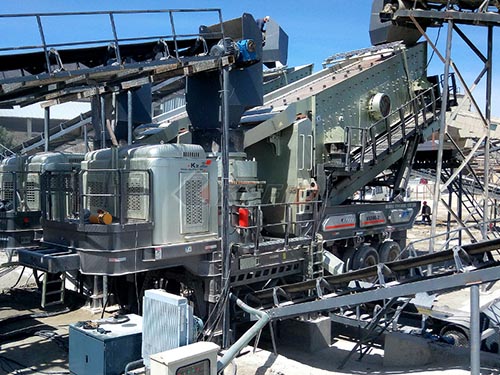
Plant Type & Configuration:
Capacity (TPH – Tons Per Hour): Price does not scale linearly with capacity. A 200 TPH plant costs more than double a 100 TPH plant due to heavier structural components, larger motors, and more robust feeders and conveyors.
Core Machinery Quality & Brand:
Automation & Control Systems: A basic relay-based control panel is standard. Moving to a full PLC (Programmable Logic Controller) system with touchscreen HMI (Human-Machine Interface), remote monitoring capabilities (IoT), and automatic setting adjustments can add 15-30% to the base equipment cost.
Material & Build Quality: The thickness of steel frames, the grade of wear plates (e.g., Hardox steel), and the quality of welding directly impact durability and price.
B. Market & Commercial Factors:
2 Order Volume Currency Fluctuations: Large importers placing repeat orders secure significant discounts Manufacturers hedge currency risks fluctuations often reflected final quotes
3 Supplier Profile: Dealing directly Original Equipment Manufacturer OEM yields lower price than working trading company However OEMs may require larger minimum orders offer less flexible payment terms Trading companies provide convenience consolidated sourcing potentially better logistical support charge service fee
Astute importers know true cost measured “Landed Cost” includes:
1 Shipping Freight Insurance FOB Free On Board vs CIF Cost Insurance Freight: FOB quote covers cost until loaded ship at origin port CIF includes sea freight insurance destination port CIF provides predictability but may be slightly higher due carrier margins
2 Import Duties Taxes: Vary drastically by country ranging from 0% over 25% based on HS code classification trade agreements Must be meticulously researched
3 Installation Commissioning: Often overlooked budget item Sending technicians from factory site involves airfare accommodation per diem expenses Can amount tens thousands dollars
4 Spare Parts Initial Inventory: Essential buffer avoid production stoppages Allocating at least 10-15% plant value initial spare parts wear parts like mantles concaves jaw dies screen meshes prudent
5 Training Local Adaptation Costs: Operator maintenance training electrical compatibility site-specific modifications foundations dust suppression systems add final project cost
1 Conduct Rigorous Needs Analysis: Define exact material properties required final products needed capacity site constraints future expansion plans before requesting quotes Avoid over-specifying unnecessarily inflating price under-specifying leading premature failure
2 Due Diligence on Suppliers: Verify manufacturer legitimacy request customer references visit existing installations if possible Inspect factory production quality control processes Check certifications ISO CE etc relevant standards
3 Detailed Quotation Comparison: Ensure quotes compare exactly same specifications Request breakdowns major components Clarify warranty terms scope parts labor coverage response time mechanisms
4 Negotiate Beyond Price: Focus total value negotiation Key leverage points include extended warranty period inclusion foundational drawings free training modules discounted first spare parts order favorable payment terms e g ,10-20% deposit balance against shipping documents rather than full upfront payment Consider hiring independent inspection company conduct pre-shipment inspection PSI ensure built according agreed specifications before shipment leaves factory This small investment prevents major disputes later stage Ultimately successful importation stone crusher plant hinges balancing initial capital expenditure long-term operational profitability While attractive low factory price powerful lure smart importer evaluates decision through lens total cost ownership reliability local service support potential return investment By understanding multifaceted dynamics outlined guide businesses can make informed strategic decisions secure machinery forms backbone their aggregate production operations years come
Lorem ipsum dolor sit amet, consectetur adipisicing elit. Consectetur sequi saepe ut sunt eveniet perferendis excepturi, iste obcaecati. Qui tempore hic sed quia soluta obcaecati vel.