
The term “cheap stone crusher plant factories” is a powerful magnet in the global construction and mining industries. For project managers, entrepreneurs, and investors operating with tight capital expenditure (CAPEX) constraints, the allure of low upfront costs is undeniable. However, in the heavy machinery sector, particularly for critical infrastructure like a stone crusher plant, “cheap” is a multifaceted concept that demands rigorous professional scrutiny. This article delves into the ecosystem of low-cost crusher plant manufacturing, examining its drivers, inherent trade-offs, risk factors, and strategies for making objectively sound procurement decisions.
Factories offering rock-bottom prices for complete crushing and screening plants are typically concentrated in several global regions, most notably parts of China, India, Turkey, and some emerging Eastern European markets. Their cost advantages stem from specific factors:
Procuring from a “cheap” factory is not inherently wrong but represents a conscious choice with significant trade-offs that must be quantified.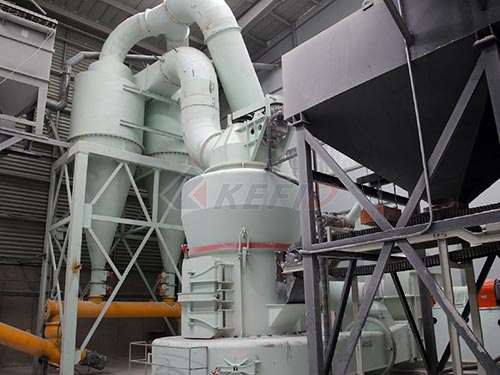
1. Compromised Durability & Reliability:
The most direct impact is on component life. Thinner chassis plates are prone to fatigue cracking under cyclical loading. Inferior manganese steel in jaws and cones will wear 30-50% faster than premium alloys, increasing downtime for change-outs and skyrocketing consumables costs. Standard bearings in high-vibration environments fail prematurely, risking catastrophic secondary damage to shafts and housings.
2. Efficiency & Performance Deficits:
Crushing plants are not just about breaking rock; they are about doing it efficiently. Cheap plants often have poor chamber designs leading to lower reduction ratios, higher energy consumption per ton produced (kW/ton), and inferior product shape (cubicity). Inefficient screenbox design results in more re-circulating load, wasting energy and capacity.
3. Safety Considerations:
Safety features like adequate guarding, emergency stop systems, safe access platforms, ladders with proper cages, and structural integrity under maintenance loads may be minimal or non-compliant with international standards like ISO or OSHA guidelines. This exposes operators to significant risk.
4. Technical Support & After-Sales Service:
This is arguably the largest hidden cost. Cheap factories frequently offer limited or non-existent after-sales support.
5. Total Cost of Ownership (TCO) – The Decisive Metric:
The initial purchase price is only a fraction (often 20-30%) of a plant’s TCO over a 5-10 year lifespan. TCO includes:
A professional procurement strategy can mitigate some risks if engaging with a low-cost factory is necessary due to budget dictates.
1. Extreme Due Diligence:
2. Smart Specification & Contracting:
3. Plan for Lifecycle Support: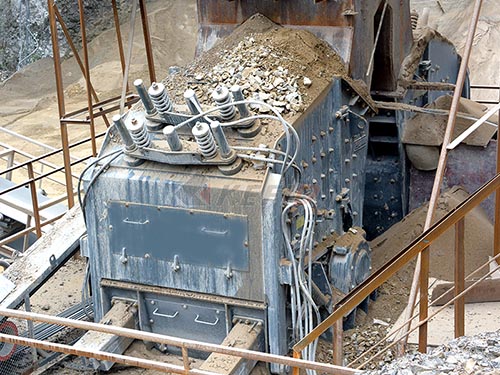
1.Quality-Conscious Emerging Manufacturers: Some factoriesin established low-cost regions have evolved into quality-focused players.They offer mid-tier pricing but use better materialsand provide decent support.They representa better balancefor many operators.
2.Used Premium Equipment: A well-maintained used plantfroma top-tier manufacturer(Caterpillar,Sandvik Metso,Terex) can offer superior reliabilityand performanceat a price comparableto anew “cheap” plant.Residual value will alsobe higher.
3.Local Fabrication & Assembly: Sourcing major components(crushers,screens)from reputable suppliersand havingthe structuralwork done locally provides controlover qualityandeases long-term support.
The propositionof cheap stone crusherplantfactoriesis real,but its valueis highly contextual.It canbe viablefor short-termprojects with abundant laborfor repairs,in regionswith extremely difficultlogisticsfor premium brands,and wherethe costof downtimeis negligible.For themajorityof seriousaggregate producerswhose profitabilityhingeson high availability(>90%),consistentproduct specification,and predictableoperatingcosts,the pursuitof the loweststickerpriceis amyopic strategy.The professionalapproachshifts the focusfrompurchaseprice(PurchasePrice)to TotalCostof Ownership(TCO)and Returnon Investment(ROI).A marginallyhigherinitial investmentin robustengineering,sourcedfroma reputablesupplier—evenif not abrand leader—invariablypays dividendsin sustainedproduction,fewer operationalheadaches,and ultimately,a lowercostper tonof salableaggregateoverthe lifeofthe operation.In stone crushing,truethriftis foundnot inthe cheapestprice,but inthe mostreliableandefficientmachineyoucanafford
Lorem ipsum dolor sit amet, consectetur adipisicing elit. Consectetur sequi saepe ut sunt eveniet perferendis excepturi, iste obcaecati. Qui tempore hic sed quia soluta obcaecati vel.