Stone Crusher Plant Fabricators: The Architects of Aggregate Production and Seamless Delivery
In the vast ecosystem of industrial and construction machinery, stone crusher plant fabricators occupy a critical, yet often understated, position. They are the essential bridge between raw engineering concepts and functional, high-capacity aggregate production systems. The phrase “Stone Crusher Plant Fabricators Delivery” encapsulates the entire lifecycle service offered by these specialized engineering firms—from meticulous design and fabrication to the crucial phase of delivery, installation, and commissioning. This comprehensive process is fundamental to the mining, quarrying, and construction industries, where reliable aggregate supply is the bedrock of infrastructure development.
The Core Role of the Fabricator: Beyond Mere Manufacturing
A stone crusher plant fabricator is not simply a workshop that welds steel. They are solution providers and system integrators. Their work begins with a deep understanding of client needs: required final product sizes (e.g., base course, asphalt chips, concrete sand), feed material characteristics (abrasiveness, hardness, silica content), and targeted production capacity (tons per hour).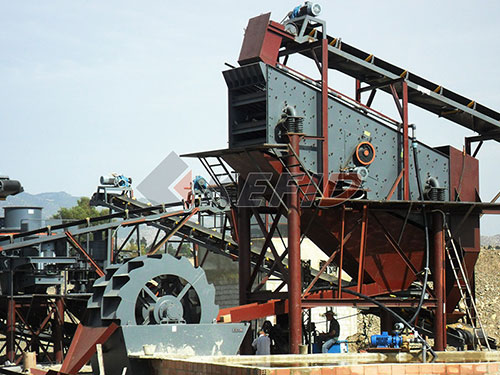
1. Design & Engineering: The fabrication process is preceded by sophisticated design engineering. Using CAD software and advanced simulation tools, engineers create plant layouts that optimize material flow, minimize bottlenecks, and ensure operational efficiency. This stage involves selecting the appropriate configuration: stationary plants for long-term quarry sites, portable plants for multiple site projects, or mobile track-mounted units for maximum mobility. Key decisions include the choice between a Jaw Crusher for primary crushing and a Cone or Impact Crusher for secondary/tertiary stages, the design of feeding systems (vibrating grizzly feeders), and the integration of screening decks for precise product separation.
2. Precision Fabrication: This is where designs materialize into robust equipment. Fabricators work with high-grade steel plates, wear-resistant alloys, and structural beams.
- Chassis & Frames: The plant’s skeleton is built for immense dynamic loads and vibrational stresses.
- Crusher Mounting Structures: These must provide absolute rigidity to ensure proper alignment of crushing chambers and drive systems.
- Hoppers, Chutes & Conveyor Galleries: These are fabricated with careful attention to geometry to prevent material buildup (bridging) and to line them with replaceable wear liners made from AR (Abrasion Resistant) steel or ceramic compounds.
- Electrical Control Panels: Often fabricated in-house or in collaboration with specialists, these panels house PLCs (Programmable Logic Controllers), motor starters, and safety systems for automated or semi-automated operation.
Quality control during fabrication is paramount. Non-Destructive Testing (NDT) methods like ultrasonic testing for weld integrity, dimensional accuracy checks, and trial assemblies are standard protocols in reputable fabrication shops.
The “Delivery” Component: A Multifaceted Challenge
“Delivery” in this context transcends mere transportation. It represents a complex logistical and technical service package critical to project success.
1. Pre-Delivery Preparation:
- Factory Acceptance Testing (FAT): Before dispatch, major subsystems or the entire plant is assembled at the fab yard for operational testing. This verifies mechanical function, electrical connectivity, and control logic without the pressures of an active site.
- Modularization & Packing: Large stationary plants are often broken down into modular components (pre-wired electrical rooms, pre-assembled conveyor sections) for easier shipping. Each item is meticulously crated or containerized to withstand ocean freight or cross-country road transport.
2. Logistics & Transportation:
This phase requires expert coordination.
- Route Surveys: For oversized loads (like a primary crusher body), fabricators often conduct route surveys to identify obstacles—low bridges, tight turns—and secure necessary permits.
- Mode Selection: Choices range from standard flatbed trucks for components to specialized RORO (Roll-on/Roll-off) vessels for mobile plants to heavy-lift ships for massive stationary plant modules destined for international ports.
- Documentation: Managing complex international shipping documentation (Bill of Lading,Certificate of Origin,Customs declarations) is a core competency for fabricators serving a global market.
3. On-Site Delivery & Erection:
Upon arrival at site—whether a remote quarry or an urban construction project—the fabricator’s role evolves into field supervision.
- Unloading & Staging: Using cranes or specialized rigging equipment delivered components are carefully placed according to erection plans.
- Mechanical Erection: Skilled fitters and millwrights assemble the plant piece-by-piece: setting foundations (often prepared by client), erecting structural steel,mounting crushers,vibrating screens,and aligning conveyor belts with laser precision.
- Electrical & Control System Integration: Electricians connect power cables,instrumentation,and commission the PLC system,following stringent safety protocols.
4. Commissioning & Handover:
This is the final act of “delivery.” The fabricator’s team conducts:
- Cold Commissioning: Running systems without material to check rotation direction,bearing temperatures,belt tracking,and safety interlocks.
- Hot Commissioning: Introducing feed material gradually,running through all operational modes,tuning crusher settings (CSS – Closed Side Setting),and calibrating screens.
- Performance Guarantee Tests: Demonstrating that the plant meets contracted output capacity and product gradation specifications.
- Operator Training: A crucial but sometimes overlooked aspect.Fabricators provide detailed training on safe operation,routine maintenance,and basic troubleshooting to client personnel.
Key Considerations When Selecting a Fabricator
Choosing the right partner is critical due to the capital-intensive nature of crusher plants.
- Technical Expertise & Experience: Proven track record with similar materials and capacities.Portfolio of past projects should be scrutinized.
- In-House Capabilities vs Outsourcing: Firms with comprehensive in-house design,fabrication,painting,and testing facilities typically offer better quality control,single-point accountability,and streamlined communication compared to pure assemblers who outsource major components.
- Adherence to Standards: Compliance with international mechanical safety standards(like CE marking in Europe) as well as electrical standards(UL,IEC).
- **After-Sales Support Network:”Delivery” includes post-commissioning support.Availability of spare parts,warranty services,and technical assistance via phone or site visits defines a long-term partnership.
Industry Trends Shaping Fabrication & Delivery
Modern fabricators are adapting to several key trends:
- Sustainability Focus: Designing plants with dust suppression systems integrated into chutes,sound enclosures for noise reduction,and energy-efficient drives(e.g.,direct drive crushers,variable frequency drives on conveyors).
- Digitalization & Smart Plants: Incorporating IoT sensors on bearings,crushers,and motors.Data from these sensors can be monitored remotely by fabricators as part of service contracts,predict maintenance needs(preventing catastrophic failure),and optimize performance.This extends “delivery” into ongoing digital service delivery.
- Modular Plug-and-Play Designs: For faster deployment,fabricators create skid-mounted or containerized modules that require minimal on-site civil work.Significantly reduces delivery timeline from months to weeks.
Conclusion
The journey encapsulated by “Stone Crusher Plant Fabricators Delivery” is one of transforming raw steel into sophisticated production assets.It demands a synergistic blend of mechanical engineering,civil planning,sophisticated logistics,and field service excellence.The ultimate value delivered by a top-tier fabricator is not just a collection of machinery,but a fully operational,efficient,and reliable aggregate production facility handed over seamlessly.This ensures that their clients—the quarry operators,the mining companies,the large contractors—can reliably produce the foundational materials upon which roads,buildings,and societies are built.In essence,the stone crusher plant fabricator delivers not just equipment,but productivity itself
