The Comprehensive Guide to Stone Crusher Plant Exporter Prices
The global construction and mining industries are the bedrock of modern infrastructure development, driving relentless demand for aggregates—crushed stone, sand, and gravel. At the heart of producing these essential materials lies the stone crusher plant. For businesses looking to source this heavy-duty machinery internationally, understanding stone crusher plant exporter prices is a complex but critical endeavor. This price is not a simple tag but a multifaceted figure shaped by a confluence of technical specifications, market dynamics, logistical considerations, and strategic vendor factors.
Deconstructing the Price: Core Cost Components
A stone crusher plant is a complete system, and an exporter’s quote typically reflects the sum of its parts and services.
1. Equipment Cost (The Core Investment):
This is the most significant portion. It varies drastically based on: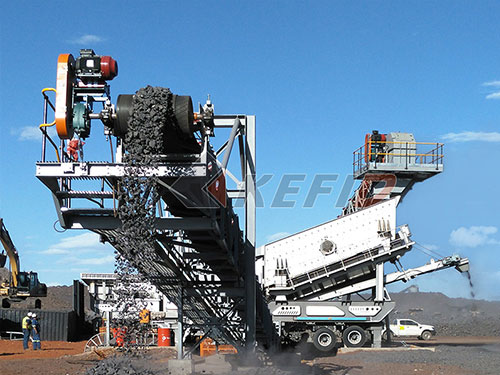
- Plant Capacity & Scale: Prices range from tens of thousands for a small, mobile 50-tons-per-hour (TPH) plant to several million dollars for a stationary 500+ TPH quarry-grade crushing and screening circuit.
- Crushing Technology & Machinery: The choice of crushers directly impacts cost.
- Jaw Crushers: Robust primary crushers; prices scale with size and power.
- Cone/Gyratory Crushers: For secondary/hard rock crushing; more complex, higher cost.
- Impact Crushers (Horizontal/Vertical Shaft): Excellent for softer stone and shaping; pricing depends on size and features.
- Additional Units: Screens (vibrating, trommel), feeders, conveyors, dust suppression systems, and control panels each add substantial line items.
- Mobility & Configuration:
- Stationary Plants: Lower per-ton cost for high-volume, fixed-location production. Higher initial infrastructure investment.
- Mobile/Track-mounted Plants: Premium-priced for flexibility. A single mobile jaw crusher can cost as much as a small stationary setup but offers unparalleled mobility.
- Brand & Origin: Established European (e.g., Sandvik, Metso) and North American brands command a premium due to R&D, perceived reliability, and aftermarket support. Competitive alternatives from Turkish, Chinese, or Indian exporters can offer lower initial capital outlay.
2. Export-Specific Charges:
These are often hidden costs for the unwary buyer.

- Packaging & Stuffing: Heavy-duty crating or containerization for sea-worthiness.
- Inland Freight & Port Handling: Transport from the exporter’s factory to the port of loading.
- Marine Insurance & Freight (CIF/FOB): A major differentiator. An FOB (Free On Board) price includes costs until the goods are loaded on the ship at the origin port. A CIF (Cost, Insurance & Freight) price includes sea freight and insurance to the destination port. CIF quotes are naturally higher but provide cost certainty.
- Export Documentation & Certification: Fees for commercial invoices, packing lists, certificates of origin, and potentially CE/ISO compliance documentation.
3. Ancillary Services (Often Optional but Vital):
- Plant Design & Engineering: Custom layout services for optimal flow.
- Supervision of Installation & Commissioning: Expatriate engineer costs (daily rate + travel/living).
- Training & Operational Manuals.
- Spare Parts Package: An initial set of wear parts (mantles, jaws liners) is crucial and typically quoted separately.
Key Market Factors Influencing Exporter Pricing
- Global Steel Prices: Crusher plants are steel-intensive. Fluctuations in raw material costs directly affect manufacturing costs globally.
- Currency Exchange Rates: A strong currency in the exporter’s country makes their products more expensive in international markets, and vice-versa.
- Market Competition & Saturation: Exporters from regions with many manufacturers (e.g., China’s mining machinery hubs) may offer more aggressive pricing than those in less competitive markets.
- Technological Features: Automation (PLC controls), energy-efficient motors, advanced dust control systems (bag filters), and telematics for remote monitoring add value and cost.
Regional Export Price Landscape: A Broad Overview
- European Exporters (Germany/Finland/Italy): Represent the high-end segment. Expect premium pricing reflecting decades of engineering excellence, superior wear materials (like manganese steel), advanced automation integration (“smart plants”), comprehensive after-sales networks with guaranteed spare parts availability globally—and stringent adherence to EU safety/environmental standards—which all contribute significantly higher upfront investment requirements compared to other regions while promising lower lifetime operating costs through durability/efficiency gains that must be carefully evaluated against project-specific financial models over an extended operational timeframe spanning decades rather than years alone when considering total ownership economics holistically beyond mere initial purchase figures alone without deeper analysis into long-term productivity metrics essential for large-scale mining/aggregate operations where downtime minimization is absolutely critical financially speaking ultimately determining true return-on-investment calculations meaningfully over time indeed conclusively so therefore professional evaluation must extend far beyond sticker price comparisons superficially conducted without expert technical consultation ideally speaking from experience within industry circles familiar with such major capital expenditure decisions routinely made at corporate board levels internationally today across developing/developed nations alike universally facing similar procurement challenges fundamentally always present in this sector invariably.
