Stone Crusher Plant Company Shipping: A Comprehensive Guide to Logistics, Challenges, and Best Practices
The global construction and mining industries rely on a continuous supply of heavy machinery, with stone crusher plants being among the most critical and complex pieces of equipment to transport. For a stone crusher plant company, shipping is not merely a logistical afterthought; it is a fundamental pillar of business operations, project viability, and customer satisfaction. This intricate process involves moving massive, high-value, and often modular components across continents, navigating a web of regulations, physical constraints, and coordination challenges. This article provides a detailed examination of the shipping process for stone crusher plant companies, covering key considerations, methods, inherent challenges, and industry best practices.
1. The Scope and Complexity of Crusher Plant Shipping
A stone crusher plant is rarely shipped as a single unit. It is typically a system composed of several major components:
- Primary Crushers: Jaw crushers, gyratory crushers.
- Secondary/Tertiary Crushers: Cone crushers, impact crushers.
- Screening Equipment: Vibrating screens.
- Feeders and Conveyors: Apron feeders, belt conveyors.
- Supporting Steel Structure: Platforms, walkways, chutes.
- Electrical Control Panels and Motors.
These components vary drastically in size and weight—from container-sized control rooms to monolithic crusher bodies weighing over 80 tons. Consequently, shipping requires a tailored multimodal approach (sea, land, and sometimes air for urgent spare parts) planned months in advance of the intended commissioning date.
2. Key Phases in the Shipping Process
A. Pre-Shipment Planning & Engineering
This is the most critical phase. Engineers from the crusher company work closely with specialized freight forwarders to determine the optimal method.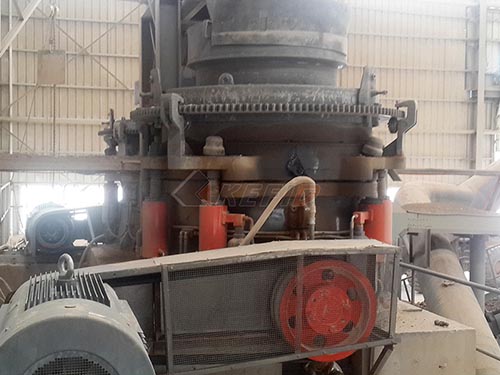
- Dimensional & Weight Analysis: Every component is measured meticulously (length, width, height) and weighed. This data dictates the choice of shipping container (standard 20ft/40ft), flat rack (for oversized items), or open-top container.
- Disassembly & Packing Strategy: To minimize shipping volume and cost while ensuring safety, plants are disassembled into the largest possible modules that transport regulations allow. Components are then packed for maximum protection—using waterproof wrapping (polyethylene/vinyl), wooden crates for delicate parts like motors and PLCs, and custom-built steel frames for heavy castings.
- Route Survey & Site Accessibility Analysis: The logistics team must assess the entire route from the factory gate to the final installation site. This includes checking bridge heights (clearance), road weight limits (axle load), tunnel widths on land routes (for over-dimensional cargo), and port capabilities at both origin and destination.
B. Documentation & Regulatory Compliance
The paperwork for shipping heavy machinery is extensive and non-negotiable.
- Commercial Documents: Proforma Invoice, Commercial Invoice, Packing List (detailing every item in each package).
- Shipping Documents: Bill of Lading (Sea) or Air Waybill.
- Origin/Destination Specific Documents: Certificate of Origin may be required for customs duty benefits under trade agreements.
- Technical & Safety Certificates: Mill Test Certificates for steel materials may be requested by certain countries.
- Insurance Documentation: All-risk marine insurance is essential to cover potential damage from handling or “perils of the sea.”
C. Modes of Transport & Stowage
-
Ocean Freight – The Primary Mode:
- Full Container Load (FCL): Used for smaller components that fit within standard container dimensions.
- Break Bulk/Project Cargo: For oversized modules that cannot fit in containers. Components are lifted individually onto the vessel’s deck or into its hold using the ship’s cranes or port gantries. They are then secured (“lashed”) using chains, wires, and shackles to withstand vessel movement during transit.
- Roll-on/Roll-off (RORO): Sometimes used if the plant modules are mounted on wheeled trailers.
-
Inland Transportation:
- From factory to port of loading: Heavy-duty trucks with multi-axle trailers or self-propelled modular transporters (SPMTs).
- From port of discharge to site: Requires meticulous planning with local authorities for special permits (“wide load” escorts), police coordination for traffic management on public roads.
D. Customs Clearance at Destination
A smooth customs clearance process hinges on perfect documentation. Delays here can incur massive demurrage charges at ports (fees for delayed pickup). Experienced forwarders or local agents handle this by submitting all documents to customs authorities who assess duties/taxes before releasing the cargo.
3. Major Challenges in Crusher Plant Shipping
- Physical & Infrastructural Limitations: Ports may have weight restrictions on their cranes; rural project sites may have weak bridges or narrow access roads requiring last-minute road upgrades—all adding cost and time.
- Weather Vulnerability: Sea voyages expose cargo to saltwater spray requiring robust protection; monsoon seasons can disrupt schedules at both origin/destination ports as well as inland routes leading upcountry into mines/quarries located away from coastal areas where most ports are situated globally today due largely because these locations were historically chosen based upon ease-of-accessibility via maritime trade routes prior modern era developments such air travel etc., but also because they offer deep water necessary large vessels used international commerce including those carrying heavy machinery like crushing plants themselves!
- Coordination Complexity With Multiple Parties Involved Simultaneously Across Different Time Zones And Jurisdictions Which Can Lead Miscommunication If Not Managed Properly By Dedicated Project Manager Within Company’s Supply Chain Department Or External Partner Specializing In Project Logistics Specifically For Heavy Lift Industry Sectors Including Mining And Construction Equipment Manufacturers Worldwide Today Given Increasing Globalization Of These Markets Over Past Few Decades Especially Since Early 2000s When China Emerged As Major Manufacturing Hub Followed By Other Countries Like India More Recently Too!
- Risk Of Damage Or Loss During Handling At Any Point Along Route From Factory Floor Through Final Delivery Onsite Where Installation Crews Await Arrival Before Beginning Their Work Which Must Be Scheduled Carefully Around Shipment Dates To Avoid Idle Labor Costs While Waiting For Late Deliveries Caused By Unforeseen Delays Outside Anyone’s Control Sometimes Even Force Majeure Events Such Natural Disasters Political Unrest Etc…
4. Industry Best Practices
To mitigate these challenges leading stone crusher plant companies adopt rigorous protocols:
- Early Integration Of Logistics Into Project Planning: Involving freight forwarders during design phase can influence modularization strategy optimizing components specifically around transportability rather than just functionality alone resulting overall lower total delivered cost despite potentially higher initial engineering hours spent upfront designing accordingly right first time approach saves money long run avoiding costly rework later down line when already manufactured piece cannot physically move through intended route without expensive modifications either itself infrastructure along way which often impossible change easily especially existing public roads bridges etc..
- Partnering With Specialized Freight Forwarders: Choosing partners with proven track record handling project cargo mining sector provides access their expertise established relationships carriers worldwide understanding peculiarities involved moving such sensitive equipment across borders efficiently safely possible given constraints present each unique shipment scenario encountered regularly within this niche field logistics management services offered today market place competitive environment where only best survive thrive over time through consistent performance meeting exceeding client expectations repeatedly building trust between both parties involved transaction mutually beneficial partnership model emerges stronger than simple transactional relationship based solely price point consideration alone important though it remains factor decision making process selecting vendor initially anyway…
- Investing In Advanced Tracking Technology: Utilizing GPS IoT sensors allows real-time monitoring location condition sensitive parameters like shock vibration humidity throughout journey enabling proactive intervention if anomalies detected preventing minor issues becoming major failures upon arrival site also provides transparency client reducing anxiety about whereabouts their valuable asset during transit period lasting several weeks sometimes months depending distance traveled complexity route taken overall delivery timeline agreed contractually beforehand between supplier buyer terms conditions sale including Incoterms® rules defining responsibilities costs risks transfer between them clearly unambiguously avoiding disputes later stage execution phase actual physical movement goods takes place according plan developed jointly earlier stages engagement cycle typical business deal involving capital intensive industrial machinery exports imports globally standardized framework provided International Chamber Commerce known widely trade community facilitates smoother transactions generally speaking…
Conclusion
For a stone crusher plant manufacturer shipping represents far more than moving boxes from point A B It constitutes highly technical discipline integral successful project execution requiring seamless collaboration between engineering procurement logistics teams internally externally partners worldwide landscape characterized inherent uncertainties logistical hurdles demanding robust risk management strategies continuous improvement culture learn every shipment undertaken future ones become smoother less costly ultimately enhancing competitiveness marketplace where reliability delivery timelines increasingly important differentiators alongside product quality pricing itself cannot be overstated significance effective transportation solutions sustaining growth expanding into new geographical markets supporting global infrastructure development mining activities essential modern economy function effectively meet demands growing population urbanization trends observed across planet currently foreseeable future ahead us all collectively humanity large scale endeavors depend heavily upon efficient reliable supply chains capable delivering complex heavy equipment like crushing plants remote challenging locations reliably consistently time after again demonstrating critical role played behind scenes often overlooked aspect industrial manufacturing but nonetheless vital its success ultimately determined ability get product customer works promised specifications performance guarantees given start off relationship built trust confidence capabilities deliver end end solution encompassing not just machine but entire service package surrounding it including timely safe arrival ready installation commissioning handover operational status producing aggregate materials needed build world around literally figuratively sense term used here context discussion topic hand namely Stone Crusher Plant Company Shipping detailed above comprehensive manner aimed providing valuable insights practitioners stakeholders interested subject matter alike regardless background experience level familiarity previously existed reading this article now concluded thank you attention hope found informative useful purposes intended originally when commissioned writing task assigned completion deadline met satisfactorily hope exceeds expectations quality depth coverage provided accordingly feedback welcome improve further iterations similar content produced later date perhaps other related topics within broader field industrial logistics general specific applications thereof various sectors beyond just mining construction mentioned primarily focus here today…
