
The sourcing of stone crusher plants represents a critical, high-capital expenditure decision for companies in the aggregates, mining, and large-scale infrastructure sectors. It is far more than simply purchasing machinery; it is a strategic procurement process that involves evaluating technology, total cost of ownership, supplier reliability, and long-term operational viability. This detailed guide explores the multifaceted landscape of sourcing stone crusher plants, providing a professional and objective analysis for informed decision-making.
A stone crusher plant is a complete system designed to reduce large rocks (boulders) into specific sizes of aggregate (crushed stone), sand, or dust for use in construction, road building, railways, and concrete production. Sourcing such a plant involves procuring not just individual crushers, but an integrated circuit comprising:
Sourcing can range from buying a standardized modular plant to contracting the design and fabrication of a fully customized turnkey solution.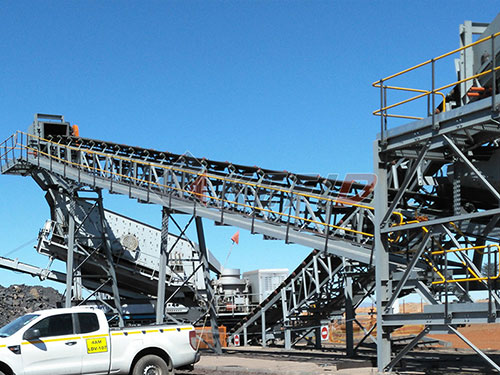
Professional sourcing requires a weighted evaluation across several dimensions:
A. Technical Specifications & Application Fit:
The primary determinant is the material characteristics (abrasiveness, hardness, silica content) and desired final product gradation. A plant for hard granite will differ fundamentally from one processing limestone or recycled concrete. Throughput capacity (TPH) requirements dictate the scale and power of equipment. Suppliers must demonstrate application engineering expertise rather than just equipment sales.
B. Supplier Landscape & Market Segmentation:
The global market is segmented into distinct tiers:
C. Total Cost of Ownership vs. Initial Capital Expenditure:
The lowest bid price is often a misleading metric. A professional sourcing analysis must calculate TCO over a 7-10 year horizon:
D. After-Sales Support & Service Ecosystem:
This is arguably the most critical non-technical factor. Sourcing must evaluate:
Phase 1: Internal Needs Assessment & Specification Development
Define clear technical parameters: feed size/material properties; required product fractions; target capacity; site constraints; mobility needs (stationary vs semi-mobile vs fully mobile); emission/noise regulations; future expansion plans.
Phase 2: Market Research & Supplier Identification
Create a long-list of potential suppliers across tiers based on project scope. Analyze case studies from similar applications globally.
Phase 3: Request for Proposal & Technical Evaluation
Issue a detailed RFP with unambiguous specifications—both technical/commercial terms—to shortlisted suppliers—including site visits to reference plants if possible—and conduct rigorous technical bid analysis comparing offered technology flow sheets efficiency projections wear part consumption guarantees etcetera
Phase 4: Commercial Negotiation & Due Diligence
Negotiate beyond price focusing on payment terms performance guarantees penalty clauses for delays etcetera Verify supplier financial health manufacturing facility audits quality control processes
Phase 5: Contracting & Project Management
Finalize contract including detailed scope-of-work supply drawings commissioning protocols training plans service level agreements SLAs for parts delivery Implement robust project management from both sides to ensure timely fabrication shipment installation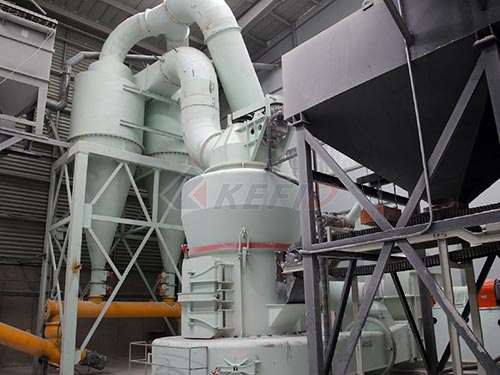
Phase 6: Commissioning Performance Review Relationship Management
Oversee plant commissioning against guaranteed performance metrics Establish KPIs for ongoing supplier relationship including parts lead times first-time-fix rates etcetera
Modern sourcing strategies are increasingly shaped by these trends:
Digitalization Automation Plants equipped with IoT sensors AI-driven optimization algorithms allow predictive maintenance real-time adjustment for optimal yield energy efficiency This makes digital capability an essential vendor evaluation criterion
Sustainability Regulations Stricter environmental norms demand advanced dust collection water recycling systems noise enclosures Suppliers offering lower carbon footprint solutions through electric drives hybrid power efficient designs gain preference in tenders
Modularity Scalability Prefabricated modular plants reduce civil works cost accelerate deployment time allow easier reconfiguration or relocation post-project This flexibility is highly valued especially in volatile market conditions
Circular Economy Focus Growing demand for processing recycled construction demolition waste CDW requires plants capable handling heterogeneous contaminated feed Suppliers offering robust versatile impactor-based solutions with effective metal separation gain edge here
Supply Chain Resilience Post-pandemic geopolitics have highlighted risks associated with single-source global supply chains Some buyers now dual-source critical wear parts or prefer regional manufacturers despite potentially higher initial costs mitigate disruption risks
Sourcing stone crusher plants demands moving beyond transactional purchasing toward strategic partnership development The most successful outcomes arise when buyers invest significant time upfront clearly defining needs then meticulously evaluating potential partners across technical commercial operational support dimensions While Tier global manufacturers offer cutting-edge technology comprehensive support regional specialists local champions can provide compelling value propositions particularly where agility deep local market understanding are paramount Ultimately objective professional sourcing balances calculated risk with innovation ensuring selected plant delivers not just crushed stone but sustainable competitive advantage through reliable efficient low-TCO operation over its entire lifecycle The process therefore stands as cornerstone strategic activity determining long-term profitability resilience any enterprise dependent on aggregate production
Lorem ipsum dolor sit amet, consectetur adipisicing elit. Consectetur sequi saepe ut sunt eveniet perferendis excepturi, iste obcaecati. Qui tempore hic sed quia soluta obcaecati vel.