Datasheet: Stone Crusher Machine Trading Company – A Comprehensive Overview
1.0 Introduction & Company Profile
A Stone Crusher Machine Trading Company operates as a critical intermediary within the global construction, mining, and aggregate production industries. Unlike manufacturers, these trading firms specialize in the sourcing, evaluation, supply, and after-sales support of a wide range of crushing and screening equipment. Their core function is to connect manufacturers with end-users—such as quarry operators, mining companies, civil contractors, and recycling plants—by providing tailored equipment solutions that meet specific project requirements, budgetary constraints, and operational conditions.
These companies are defined by their extensive multi-brand portfolios, deep market knowledge, and value-added services. They act as technical consultants, helping clients navigate the complex landscape of crushing technology—from primary jaw crushers that handle massive boulders to tertiary cone crushers and vertical shaft impactors (VSIs) producing finely shaped aggregates. The modern trading company is not merely an order-taker; it is a strategic partner invested in optimizing its clients’ crushing circuits for maximum productivity, efficiency, and return on investment (ROI).
2.0 Core Product Portfolio & Technical Specifications
A reputable trading company’s inventory encompasses the entire size reduction process chain. Key machinery categories include:
-
Primary Crushers:
- Jaw Crushers: Robust machines using compressive force. Key specs include feed opening size (e.g., 900×600 mm), capacity (TPH), power rating (kW), and closed-side setting (CSS) range for output adjustment.
- Gyratory Crushers: For high-capacity primary crushing stations in large-scale mining. Specified by feed opening, mantle diameter, and installed power.
-
Secondary & Tertiary Crushers:
- Cone Crushers: Essential for producing fine aggregates. Specifications highlight head diameter, maximum feed size, capacity range across different CSS settings, hydraulic adjustment and clearing systems, and automation level (e.g., ASRi).
- Impact Crushers (Horizontal Shaft Impactors – HSIs): Ideal for softer materials and excellent cubical shape production. Defined by rotor diameter/width, feed size capacity, and number/type of aprons/hammers.
-
Tertiary/Quaternary Crushers:
- Vertical Shaft Impactors (VSIs): For premium-shaped sand manufacture and fine grinding via “rock-on-rock” or “rock-on-anvil” principles. Key parameters are rotor speed (RPM), throughput capacity (TPH), and dual motor options.
-
Mobile & Portable Solutions:
- Track-mounted or wheeled mobile crushers (jaw, cone, impact) with integrated screens. Specs include mobility dimensions transport weight engine type Tier rating fuel consumption onboard power generation for conveyors
-
Auxiliary & Screening Equipment:
- Vibrating Screens (inclined horizontal): Sized by deck area number of decks screen media type drive mechanism
- Feeders (vibrating grizzly apron): Capacity width length grizzly bar spacing
- Conveyors Stockpilers Dust Suppression Systems Control Panels
3.0 Value Proposition & Differentiating Services
The competitive edge of a trading company lies beyond the hardware itself:
- Unbiased Equipment Selection: With access to multiple brands they provide objective recommendations matching the machine to the material characteristics abrasiveness moisture content required product gradation rather than promoting a single brand
- Total Cost of Ownership TCO Analysis: They evaluate not just purchase price but long-term operational costs including wear part consumption energy efficiency maintenance downtime implications
- Financing Leasing Solutions: Partnerships with financial institutions to offer flexible purchase lease rent-to-own models making capital-intensive equipment accessible
- Technical Support Parts Logistics: Guaranteed supply of genuine wear parts consumables manganese jaws concaves blow bars screen meshes with global logistics support Critical metrics include parts availability percentage order fulfillment time
- Commissioning Training: On-site machine commissioning operator maintenance team training ensuring safe optimal operation from day one
- Market Intelligence: Insights into regional regulations emission standards sustainability trends helping clients future-proof their investments
4.0 Target Markets Application Analysis
Trading companies serve diverse sectors each with unique demands:
- Aggregate Quarrying: Focus on consistent high-volume production of sized stone sand gravel Emphasis on circuit efficiency particle shape cubicity for asphalt concrete
- Mining Mineral Processing: Demands high-tonnage rugged reliability handling abrasive ores Often involves primary crushing stations feeding SAG mills
- Construction Demolition Waste CDW Recycling: Mobile tracked crushers are paramount for on-site processing Emphasis on versatility magnetic separators ability to handle reinforced concrete asphalt wood contaminants
- Infrastructure Projects Road Dam Railway: Requires temporary semi-permanent crushing setups high mobility quick relocation between project phases
5.0 Operational Commercial Framework
The internal workflow involves:
- Client Needs Assessment Site Material Analysis
- Crushing Circuit Design Simulation Software Tools
- Equipment Sourcing from Partner Manufacturers Quality Assurance Checks
- Commercial Offer Preparation Incoterms Delivery Schedule Payment Terms Warranty Provisions typically months covering manufacturing defects not wear tear)
- Shipment Customs Clearance Coordination Expertise in handling oversized heavy machinery shipments ODC management)
- After-Sales Service Network Establishment Local service engineers or partnerships)
6.0 Challenges Risk Mitigation
Key industry challenges include: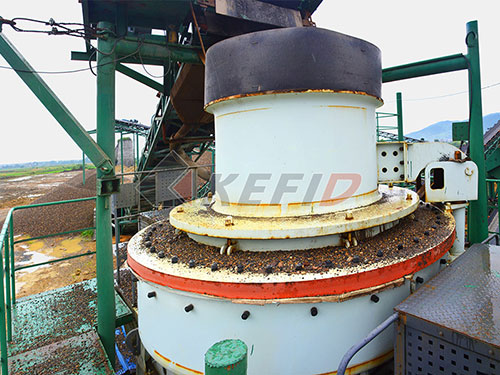
- Supply Chain Volatility: Fluctuations in raw material steel prices shipping costs container availability Mitigated through strategic stockholding long-term manufacturer agreements diversified logistics partners)
- Technological Obsolescence: Rapid advancements in automation IoT connectivity electric-hybrid drives Trading companies must continuously update their technical knowledge through OEM training programs)
- Economic Cyclicality: Sensitivity to construction mining booms busts Diversified geographic sectoral client base helps stabilize revenue streams)
- Intense Competition: From both direct traders manufacturers selling direct Response lies in superior service niche expertise customer relationship management CRM)
7.0 Future Trends Strategic Outlook
The industry is evolving driven by:
- Digitalization IoT Integration: Remote monitoring telematics real-time performance tracking predictive maintenance alerts becoming standard expectations Traders now supply data-as-a-service platforms alongside physical machines)
- Sustainability Electrification: Growing demand for electric plug-in hybrid mobile plants reducing carbon footprint noise pollution especially in urban CDW recycling operations)
- Automation Optimization Software: Advanced control systems auto-adjust crusher settings for optimal output quality Traders provide these software solutions as part of the package)
*Aftermarket Services Growth**: An increasing revenue component from parts service contracts refurbishment upgrades underscoring the shift from transactional sales to long-term lifecycle partnerships)
8.0 Conclusion
A modern Stone Crusher Machine Trading Company is an indispensable knowledge-driven hub within the aggregate supply chain It transcends traditional distribution by offering engineered solutions financial flexibility comprehensive lifecycle support In an era defined by efficiency sustainability technological integration these companies play a pivotal role in equipping their clients with robust productive compliant crushing systems that form the literal foundation of global infrastructure development Their success is intrinsically linked to their technical acumen logistical prowess unwavering commitment to minimizing client downtime thereby maximizing operational profitability
