The Stone Crusher Machine: An OEM Factory Perspective on Engineering Excellence
In the vast and demanding world of aggregate production, mining, and construction, the stone crusher machine stands as a fundamental pillar of industrial progress. From an Original Equipment Manufacturer (OEM) factory perspective, this machine is not merely a product but a sophisticated synthesis of mechanical engineering, material science, and application-specific design. This detailed exploration delves into the core principles, technological evolution, key components, and the rigorous manufacturing philosophy that defines a professional OEM’s approach to building these indispensable workhorses.
1. The Foundational Role and Working Principles
At its essence, a stone crusher reduces large rocks, boulders, or quarry-run stone into smaller, specific size fractions—from coarse aggregates for concrete to fine dust for asphalt or railway ballast. The choice of crushing principle is the first critical decision an OEM makes, dictated by the material’s compressive strength, abrasiveness, and desired final product.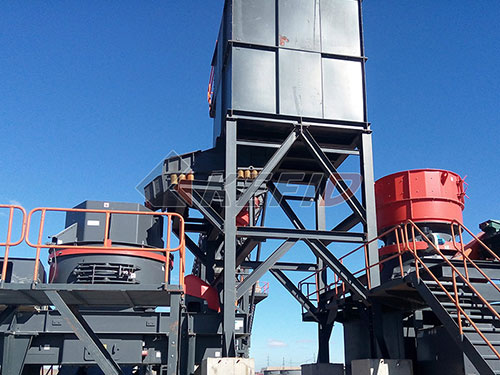
- Jaw Crushers (Primary Crushing): Utilizing a fixed and a movable jaw plate in a V-shaped chamber, these crushers employ compressive force. The eccentric shaft drives the movable jaw in an elliptical motion, creating a powerful “chewing” action. OEMs focus on robust cast steel frames, optimized kinematics for maximum throughput at the discharge point (the “nip angle”), and heavy-duty bearings to withstand shock loads from uncrushed feed.
- Cone & Gyratory Crushers (Secondary/Tertiary Crushing): These operate on a similar principle but with a gyrating mantle within a concave bowl liner. They provide continuous compression crushing with higher capacity and finer product control. Key OEM engineering challenges here involve the precise geometry of crushing chambers (standard vs. short-head), automated setting adjustment systems (like hydraulic CSS – Closed Side Setting), and advanced chamber clearing systems to minimize downtime.
- Impact Crushers (Horizontal & Vertical Shaft): These crushers utilize high-speed impact rather than compression. Hammers or blow bars mounted on a rotating rotor strike the incoming stone, throwing it against breaker plates or anvils. This method excels at producing cubical products and is ideal for softer to medium-hard materials. OEM design priorities include rotor dynamics for perfect balance at high RPMs, wear part metallurgy for hammers/liners, and optimal impact curtain configurations.
- Other Specialized Types: Roll crushers apply direct pressure between counter-rotating cylinders; hammer mills combine impact and attrition; mobile crushers integrate any of these systems onto tracked or wheeled chassis for ultimate flexibility—a rapidly growing segment demanding compact design without compromising durability.
2. Core Components: The Anatomy of Durability
An OEM factory’s brochure highlights not just performance but longevity—a direct result of superior component engineering.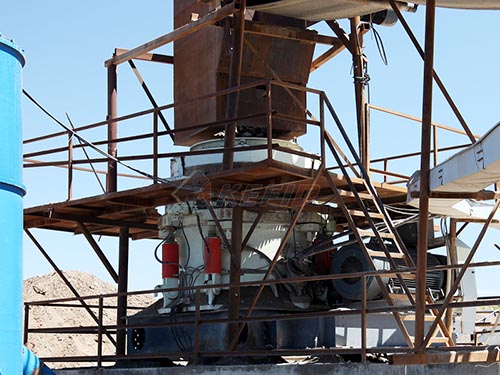
- Frame & Structure: The backbone is typically fabricated from high-grade steel plate with reinforced ribs or made from massive cast steel sections for the largest machines. Finite Element Analysis (FEA) is standard practice to simulate stress points under extreme load, ensuring structural integrity over decades.
- Wear Parts & Metallurgy: This is where the battle against abrasion is fought. Liners (mantles, concaves, jaw plates) are crafted from advanced manganese steels (like Mn14%, Mn18%, Mn22%) with work-hardening properties or composite alloys with chromium carbides for extreme abrasion resistance. OEMs often develop proprietary alloys and precise heat-treatment processes to maximize wear life.
- Drive System & Bearings: High-torque motors coupled with V-belts or direct drives transmit power to the eccentric shaft or rotor. Bearings are selected not just for load rating but for sealing effectiveness against dust ingress—a primary cause of failure. Spherical roller bearings in labyrinth seal arrangements are common in heavy-duty applications.
- Crushing Chamber Design: The geometry of the chamber is meticulously calculated using CAD and DEM (Discrete Element Modeling) software to optimize material flow, reduce choke points, increase reduction ratio, and ensure even wear across liners.
- Hydraulic & Control Systems: Modern crushers are governed by intelligent hydraulics for clearing blockages (“tramp release” in jaw crushers), adjusting settings on-the-fly in cone crushers (like ASRi systems), and folding conveyors on mobile units. PLC-based control panels monitor amp draw, pressure, temperature, and feed rates for optimal operation.
3. The OEM Manufacturing Philosophy: From Raw Steel to Reliable Asset
A professional OEM factory operates on principles that transcend simple assembly.
- Design & R&D: Continuous investment in R&D leads to iterative improvements in efficiency (tonnes/kWh) and uptime. Testing facilities with full-scale prototypes crush thousands of tons of local materials to validate designs before market release.
- Precision Fabrication & Machining: CNC plasma cutters laser-cutters ensure component accuracy Large vertical boring mills and lathes machine bearing seats eccentrics with tolerances measured in hundredths of a millimeter ensuring perfect alignment
- Quality Control & Testing: Every step undergoes rigorous inspection: ultrasonic testing for weld integrity spectrographic analysis for alloy composition dynamic balancing of rotors full-load factory acceptance tests where possible
- Application Engineering: A true OEM provides not just a machine but a solution Engineers consult on feed material analysis plant layout flow sheets auxiliary equipment selection ensuring the crusher integrates seamlessly into the customer’s operation
- After-Sales Support & Sustainability: The relationship extends long after installation through comprehensive parts inventories technical field service training programs Performance metrics are tracked remotely via IoT connectivity enabling predictive maintenance Furthermore modern designs prioritize energy efficiency noise dust suppression easy access for liner changes reducing environmental operational costs
4.Technological Integration: The Smart Crusher
The contemporary stone crusher from leading OEMs is increasingly intelligent Automation systems maintain optimal crusher load maximizing throughput while protecting components from overload Wear monitoring systems using laser scanning or simple calibration tools predict liner life Remote monitoring via telematics allows factory experts diagnose issues recommend adjustments reducing unplanned downtime Data analytics aggregate performance information across fleets informing next-generation designs
5.Market Considerations Customization
No single quarry mine identical Therefore flexibility customization are hallmarks reputable OEM factories Configurations might include specific feeder designs dust encapsulation packages special wear part profiles exotic materials like tungsten carbide overlays extreme abrasion applications Mobile plants demand additional engineering integrating power supply conveyors screening units single portable chassis without sacrificing stability transportability
Conclusion
From an OEM factory viewpoint stone crusher machine represents profound commitment durability innovation understanding harsh realities field It embodies relentless pursuit reducing cost per ton crushed while extending equipment life through superior engineering manufacturing Every weld every casting every designed feature serves singular purpose transforming raw unforgiving rock into valuable controlled aggregate that builds our world Therefore selecting partner means choosing not just piece machinery but entering long-term partnership grounded shared goal operational excellence reliability underpinned by deep reservoir technical expertise unwavering quality standards true hallmark industry-leading Original Equipment Manufacturer
