Stone Crusher Machine Fabricators: A Comprehensive Guide to Wholesale Pricing
The global construction and mining industries are fundamentally dependent on the efficient processing of raw materials. At the heart of this process lies the stone crusher machine—a robust piece of engineering designed to reduce large rocks, boulders, and quarry stones into usable aggregates of specific sizes. For businesses involved in large-scale projects, sourcing these machines directly from stone crusher machine fabricators at wholesale prices is a critical strategic decision. This article provides a detailed, professional examination of this niche manufacturing sector, the factors influencing wholesale pricing, and key considerations for buyers.
Understanding Stone Crusher Machine Fabricators
Fabricators in this context are specialized manufacturers who design, engineer, assemble, and sometimes customize heavy-duty machinery for crushing stone and mineral ores. They range from large, internationally recognized OEMs (Original Equipment Manufacturers) to smaller regional workshops with specialized capabilities.
Types of Fabricators:
- Full-Scale OEMs: These are large companies like Metso, Sandvik, Terex, and ThyssenKrupp. They offer complete, standardized product lines backed by extensive R&D, global supply chains, and comprehensive after-sales support.
- Specialized/Regional Fabricators: Often located in major industrial hubs (e.g., Gujarat in India, Zhengzhou in China), these firms may focus on specific types of crushers (like cone or impact crushers) or cater to regional market needs. They often compete on price and customization flexibility.
- Component & Assembly Workshops: Some fabricators specialize in manufacturing key components (like jaws, mantles, rotors) or assembling machines from sourced parts according to client specifications.
The Wholesale Price Equation: Key Determinants
Wholesale pricing from fabricators is not a single figure but a complex calculation derived from multiple variables. Understanding these factors is essential for informed procurement.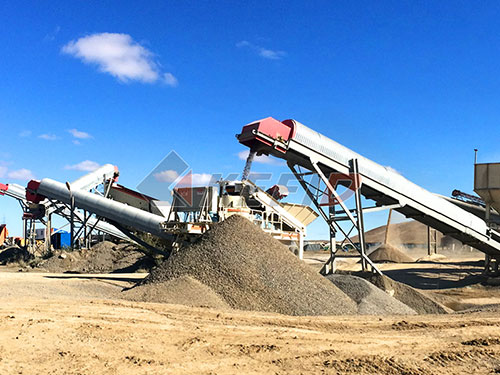
1. Machine Type & Capacity:
The core determinant. Different crushers serve different purposes in the crushing circuit.
- Jaw Crushers: Primary crushers for initial size reduction. Price scales with feed opening size and capacity (e.g., 50-1000 TPH). Larger capacities command exponentially higher prices due to heavier structural steel and larger components.
- Cone Crushers: Secondary/Tertiary crushers for producing fine aggregates. More complex internally than jaw crushers due to their precision crushing chamber and hydraulic systems, leading to a higher price per ton of capacity.
- Impact Crushers (Horizontal & Vertical Shaft): Versatile for primary/secondary/tertiary roles, excellent for softer stone and cubical product shape. Pricing depends on rotor size/diameter and material (e.g., solid steel vs. welded plate).
- Gyratory Crushers: Very high-capacity primary crushers for mega mining operations. These represent the top tier of pricing due to their immense size and complexity.
2. Raw Material & Component Costs:
A fabricator’s bill of materials is heavily influenced by global commodity markets.
- Steel: High-grade abrasion-resistant steel (AR steel) for wear parts (jaws, liners) and structural steel for the frame constitute over 60% of the direct cost. Fluctuations in steel prices directly impact wholesale quotes.
- Electronics & Motors: The cost and quality of electric motors (for power), PLCs for automation, sensors, and hydraulic systems vary widely between standard industrial brands and premium ones.
3. Technology & Features:
Modern crushers are increasingly intelligent.
- Basic Manual Models: Entry-level pricing.
- Automated Control Systems: Crushers with automatic setting regulation (ASRi for cones), real-time monitoring via IoT sensors, and remote diagnostics add 15-30% to the base price but offer significant operational savings.
- Mobility: Stationary plants are custom-built per site. Mobile tracked or wheeled crusher units incorporate chassis, engines, and mobility systems, making them more expensive than their stationary counterparts with similar crushing specs.
4. Scale of Order & Relationship:
This is the essence of “wholesale.”
- Volume Discounts: Ordering multiple units—whether identical machines or a complete crushing circuit (primary + secondary + screens + conveyors)—grants significant leverage for negotiating unit price reductions.
- Frame Agreements: Large construction or mining firms often establish long-term supply agreements with fabricators for steady supply over years, securing locked-in preferential pricing.
- Spare Parts Packages: Bundling an initial 1-2 year supply of critical wear parts with the machine purchase can lead to better overall value.
5. Fabricator’s Overhead & Location:
- Labor Costs: Fabrication is labor-intensive in welding machining assembly Labor costs vary drastically between regions affecting final price
- Geographical Proximity Shipping Logistics: Sourcing from a local regional fabricator may save 20-30% on shipping port duties insurance compared to an overseas OEM even if the unit price is slightly higher Heavy machinery shipping is costly
- Brand Value Reputation: Established OEMs command a premium for proven reliability engineering support resale value Smaller fabricators may offer comparable mechanical quality at lower cost but potentially with less extensive global service networks
Navigating the Wholesale Procurement Process
- Define Requirements Precisely: Clearly outline required capacity feed size final product specifications site conditions electricity availability This allows fabricators to provide accurate comparable quotes
- Due Diligence on Fabricators: Evaluate not just price but technical capability workshop facilities quality control processes past project portfolios financial stability Visit the fabrication facility if possible
- Request Detailed Quotations Breakdowns: A professional quote should itemize machine cost optional features spare parts package shipping insurance installation commissioning training costs warranties payment terms
4 Compare Total Cost Ownership TCO Not Just Initial Price Consider energy efficiency predicted wear part consumption maintenance requirements availability cost spare parts expected lifespan downtime costs A cheaper machine with higher operating costs is poor value
5 Negotiate Beyond Unit Price Focus on value adds extended warranty terms training programs consignment stock arrangements spare part discount schedules future purchase clauses
Current Market Trends Impacting Wholesale Prices
Sustainability Automation are reshaping fabrication
Sustainability Trends Fabricators increasingly use designs that reduce energy consumption per ton crushed Noise dust suppression systems are becoming standard not optional influencing design material costs
Automation Smart Crushers Integration IoT AI allows predictive maintenance optimized performance This technological integration adds upfront cost but drives long term efficiency making it a key differentiator in wholesale offerings
Rise Regional Powerhouses In countries like Turkey India China local fabricators have dramatically improved quality offering highly competitive wholesale prices challenging traditional Western European OEM dominance particularly mid range market segments
Conclusion
Procuring stone crusher machines at wholesale prices from fabricators requires moving beyond simple price comparison It demands thorough technical commercial understanding landscape Buyers must analyze interplay between machine specifications raw material costs technological features order volume fabricator capabilities Ultimately most advantageous wholesale price one that delivers required reliability productivity lowest total cost ownership over equipment s operational life Whether engaging global OEM specialized regional workshop success lies detailed specification rigorous supplier evaluation strategic negotiation focused on creating mutually beneficial long term partnership By mastering these dynamics businesses can secure critical machinery that forms backbone their aggregate production ensuring profitability competitiveness dynamic global market
