Stone Crusher Machine Dealers: A Comprehensive Guide to Pricing and Procurement

The acquisition of a stone crusher machine is a significant capital investment for any quarrying, mining, or construction operation. While technical specifications and production capacity are primary drivers, navigating the dealer landscape and understanding the multifaceted nature of pricing is equally critical. This detailed guide provides a professional and objective analysis of stone crusher machine dealers and the complex factors that determine their price points.

The Dealer Ecosystem: Types and Value Propositions

Stone crusher machine dealers operate within a layered market, each offering distinct advantages and pricing structures.

  1. Authorized/OEM (Original Equipment Manufacturer) Dealers: These are direct representatives of major brands (e.g., Metso, Sandvik, Terex, Kleemann). They offer genuine equipment with full manufacturer warranties, access to proprietary parts, and factory-trained service engineers. Pricing here is typically at a premium but includes assurance of quality, reliability, and robust after-sales support. They are the go-to for large-scale operations where machine uptime is paramount.Stone Crusher Machine Dealers Price
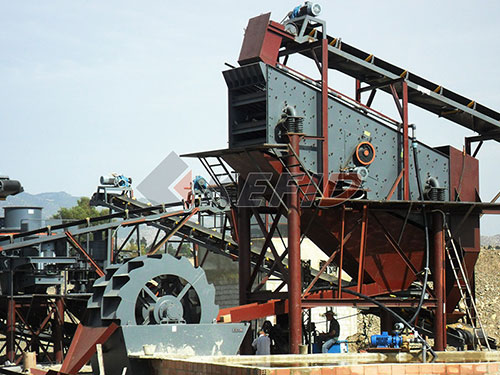
  2. Independent/Regional Dealers: These distributors may carry multiple, often complementary, brands or specialize in equipment from specific regions (e.g., Chinese or European manufacturers). They can offer more competitive pricing than OEM dealers due to different margin structures and may provide more personalized, localized service. Their expertise often lies in understanding regional material characteristics (like granite hardness or basalt abrasiveness) and regulatory environments.

  3. Used/Refurbished Equipment Specialists: A vital segment of the market, these dealers focus on pre-owned machinery. Pricing is substantially lower—anywhere from 30% to 60% of the cost of new equipment—but carries inherent risks regarding remaining component life and maintenance history. Reputable dealers in this space perform thorough refurbishments, offer limited warranties, and can be an excellent source for spare parts.

  4. Online Marketplaces and Auction Houses: Platforms like MachineryTrader, IronPlanet, and Ritchie Bros. Auctioneers have globalized equipment sales. They provide price transparency through listing comparisons and auction results. While they connect buyers with a vast inventory, physical inspection can be challenging, and the transaction often lacks the ongoing support relationship of a traditional dealer.

Deconstructing the Price: Beyond the Sticker Figure

The quoted price for a stone crusher is merely the starting point. A professional evaluation must consider Total Cost of Ownership (TCO), which encompasses:

A) Core Machine Factors:

  • Type & Capacity: A basic jaw crusher for primary crushing will have a different price anchor than a high-precision cone crusher for tertiary crushing or a mobile impact crusher with an integrated screen.
  • Size & Throughput: Prices scale significantly with capacity. A machine rated for 150 tonnes per hour (tph) costs exponentially less than one rated for 600 tph.
  • Mobility: Stationary plants are custom-engineered foundations with conveyors, resulting in high infrastructure cost but potentially lower unit machine cost. Track-mounted mobile crushers command a premium (often 20-40% more than comparable stationary units) due to their integrated mobility systems and compact engineering.
  • Technology & Features: Advanced automation systems (like automatic setting regulation), telematics for remote monitoring, hybrid diesel-electric drives, and dust suppression systems add considerable value and cost.

B) Dealer-Linked Cost Components:

  • Warranty & Support: A comprehensive warranty (2+ years on major components) adds to the initial price but mitigates future risk. Dealers build support costs into their pricing.
  • Shipping & Logistics: For international purchases or remote sites, logistics—including crating, ocean freight, insurance, customs clearance, and inland transport—can add 5-15% to the landed cost.
  • Installation & Commissioning: Some dealers include basic commissioning in the price; others charge separately for sending engineers to set up the plant and ensure optimal operation.
  • Financing Options: Dealers affiliated with financial institutions may offer favorable financing leases or loans. The interest rate effectively alters the final cost paid.

C) Market Dynamics Influencing Price:

  • Geographic Location: Prices vary by region due to import duties taxes local competition shipping distances from manufacturing hubs
  • **Raw Material Costs Steel prices castings hydraulic components all directly affect manufacturing costs
  • **Currency Fluctuations For internationally sourced equipment exchange rate volatility can cause significant price swings
  • **Supply Chain & Demand During global infrastructure booms lead times lengthen prices firm up In downturns discounts on inventory may be available

Price Ranges: An Indicative Overview

Providing exact figures is impractical due to the variables above but indicative ranges (as of recent market data) offer perspective:

  • Small Mobile Jaw Crusher (for recycling demolition work): $50 000 – $200 000
  • Medium Capacity Cone Crusher (stationary 200-300 tph): $250 000 – $500 000
  • Large Track-Mounted Impact Crusher with screen: $400 000 – $800 000
  • Complete Stationary Crushing Plant (primary secondary tertiary screens conveyors): $1 million – $5+ million

Used equipment prices are highly condition-dependent but generally fall within the ranges mentioned earlier as a percentage of new costStone Crusher Machine Dealers Price

Strategic Recommendations for Buyers

  1. Define Requirements Precisely Conduct a thorough analysis of feed material desired product sizes required annual tonnage site constraints mobility needs This specification document is essential for obtaining comparable quotes
  2. Request Detailed Quotations Ensure quotes itemize not just machine cost but also recommended spare parts package delivery charges commissioning fees warranty terms financing options
    3 Evaluate TCO Not Just Purchase Price Model operational costs over years including energy consumption expected wear part life local service labor rates dealer response time A cheaper machine with higher wear costs is no bargain
    4 Inspect Verify For used equipment insist on independent inspection review maintenance logs conduct test crushing if possible For new machines visit dealer facilities or better existing customer sites
    5 Negotiate Beyond Price Leverage negotiations on extended warranty periods included training discounted future parts packages or favorable service contract rates The relationship with your dealer is a long-term asset

Conclusion

The price offered by stone crusher machine dealers is a synthesis of engineering value market forces and service potential The most economically advantageous decision emerges not from selecting the lowest initial bid but from partnering with a reputable dealer who provides transparent pricing understands your operational context offers reliable support thereby minimizing your Total Cost of Ownership over the machines lifecycle In this capital-intensive industry informed procurement strategy centered on value partnership rather than mere price is fundamental to achieving long-term profitability operational efficiency

Lorem ipsum dolor sit amet, consectetur adipisicing elit. Consectetur sequi saepe ut sunt eveniet perferendis excepturi, iste obcaecati. Qui tempore hic sed quia soluta obcaecati vel.