The Critical Role of Testing in Stone Crusher Machine Manufacturing: Ensuring Reliability, Safety, and Performance
In the demanding world of aggregate production, mining, and construction, the stone crusher machine stands as a cornerstone of industrial activity. Its primary function—reducing large rocks, gravel, or demolition concrete into specified aggregate sizes—is deceptively simple. The forces involved, however, are immense: repetitive impact, abrasion, vibration, and extreme stress. For the companies that manufacture these mechanical titans, a comprehensive and rigorous testing regime is not merely a final quality check; it is an integral philosophy woven into every stage of design, development, and production. This article delves into the multifaceted world of stone crusher machine company testing, exploring its methodologies, critical focus areas, and its paramount importance to end-users and the industry at large.
The Philosophy of Testing: From Reactive to Proactive
Historically, equipment testing might have been a final “trial by fire” before shipment. Modern leading manufacturers have adopted a proactive, holistic testing culture. This philosophy encompasses:
- Design Validation: Using Finite Element Analysis (FEA) and Computational Fluid Dynamics (CFD) to simulate stresses on crusher frames, rotors, and jaws long before metal is cut.
- Component Qualification: Rigorously testing individual components like bearings, shafts, castings (mantles, concaves), and electrical systems to exceed rated specifications.
- Subsystem Integration Testing: Ensuring hydraulic systems, lubrication units, control panels, and safety interlocks function flawlessly together.
- Full-Scale Factory Acceptance Testing (FAT): The comprehensive performance demonstration under simulated or actual load conditions before disassembly for shipment.
- Field Performance Monitoring: Post-installation data collection to validate performance in real-world conditions and inform future designs.
This end-to-end approach transforms testing from a cost center into a critical investment in product integrity, brand reputation, and customer trust.
Key Testing Areas and Methodologies
1. Structural Integrity and Fatigue Testing:
The crusher’s frame must withstand cyclical loading without developing cracks or permanent deformation. Companies employ:
- Static Load Testing: Applying forces equivalent to or exceeding maximum operational loads using hydraulic rams to measure deflection and structural response.
- Dynamic Fatigue Analysis: Using FEA software to model millions of load cycles over the machine’s expected lifespan. Physical prototypes may be subjected to accelerated fatigue tests on specialized rigs that simulate years of operation in weeks.
- Non-Destructive Testing (NDT): Techniques like Magnetic Particle Inspection (MPI), Ultrasonic Testing (UT), and Dye Penetrant Inspection (DPI) are used on critical welds and cast components to detect subsurface or surface flaws invisible to the naked eye.
2. Wear Part Performance and Material Science:
The wear parts (jaws, mantles/concaves in cone crushers) are consumables directly engaged with rock. Their performance dictates operational cost.
- Material Analysis: Spectrographic analysis ensures raw alloy steel meets exact chemical composition for hardness and toughness.
- Abrasion & Impact Testing: Standardized tests like the Bond Abrasion Index test or custom impact chambers assess material resistance under controlled conditions.
- Chamber Geometry Profiling: Using 3D scanning to verify that cast parts conform precisely to design geometry for optimal crushing efficiency.
3. Mechanical & Kinematic Performance:
This ensures all moving parts operate as intended with minimal friction and vibration.
- Bearing Temperature Mapping: Running crushers at full load while monitoring bearing temperatures with infrared cameras ensures lubrication systems work effectively under peak stress.
- Vibration Analysis: Sophisticated sensors measure vibration amplitudes across the machine during operation. Excessive vibration can signal imbalance misalignment or structural issues—it is meticulously characterized against ISO standards.
- Drive System Alignment & Torque Verification: Laser alignment tools ensure perfect alignment between motors pulleys sheaves gearboxes minimizing energy loss premature wear
4. Hydraulic System & Safety Function Validation:
Modern crushers rely heavily on hydraulics for setting adjustment overload protection clearing blockages
- Pressure Cycle Testing Hydraulic circuits subjected thousands pressure cycles verify hose fittings seals withstand pulsations
- Relief Valve Calibration Precise calibration overload protection systems prevents catastrophic damage tramp iron uncrushable material
- Emergency Stop Functional Safety All emergency stop buttons safety interlocks guarding rigorously tested fail-safe manner often following SIL Safety Integrity Level protocols
5 Electrical Control System Reliability
Sophisticated PLC-based automation requires stringent testing
- Environmental Stress Screening Control panels subjected temperature humidity cycles within climatic chambers
- Functional Logic Testing Every automated sequence startup shutdown maintenance mode simulated verified software hardware level
- Power Quality Immunity Tests Ensuring control systems immune voltage spikes surges brownouts common remote quarry environments
6 Factory Acceptance Test FAT The Culmination
FAT formal customer-witnessed procedure demonstrating machine meets contractual specifications Typically includes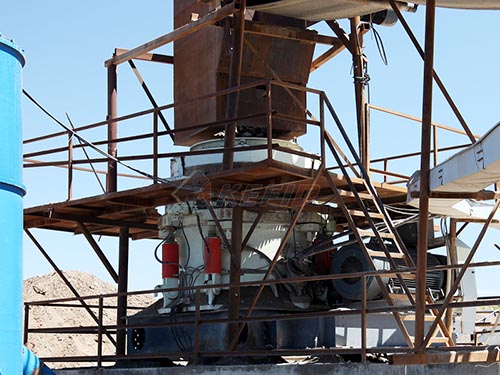
- No-Load Run Verifying smooth operation correct rotation direction baseline vibration noise levels
- Load Test Using actual rock material test plant Feeding known quantity measuring output capacity product gradation power consumption
- Performance Guarantee Verification Key metrics like throughput tons per hour product shape flakiness index power draw kWht directly measured compared guarantees
The Tangible Benefits of Comprehensive Testing
For the Manufacturer:
- Risk Mitigation Identifies design flaws early preventing costly recalls field retrofits warranty claims
- Innovation Catalyst Data from destructive tests pushes material science envelope leading advanced alloys composite designs
- Competitive Advantage Proven reliability higher uptime become powerful marketing tools justifying premium pricing
For the End User Customer:
- Predictable Performance Confidence machine will achieve stated capacity product quality reducing project planning uncertainty
- Lower Total Cost Ownership TCO Reduced unexpected downtime longer wear part life lower energy consumption translate directly profitability
- Enhanced Safety Assurance safety systems function correctly protects most valuable asset personnel
- Investment Protection Reliable durable machine holds residual value supports financing options
Challenges Future Trends in Crusher Testing
Testing presents challenges High-energy tests destructive expensive Setting up full-scale load tests requires significant space logistics Furthermore simulating decades wear few weeks remains complex endeavor
Emerging trends shaping future include
1 Digital Twin Technology Creating virtual replica crusher fed real-time sensor data allows continuous performance modeling predictive maintenance alerts virtual “what-if” scenarios without physical risk
2 Advanced Sensor Integration Embedded IoT sensors monitor stress temperature acoustics enabling condition-based testing real-world validation design assumptions
3 Sustainability Focused Testing Increased emphasis energy efficiency testing noise emission dust generation compliance tightening environmental regulations globally
4 Automation Remote Witnessing ARVR tools allow customers remotely witness FAT procedures digital overlays providing detailed insight machine internals during operation
Conclusion Beyond Compliance to Commitment
For a stone crusher machine company testing transcends checklist compliance It represents fundamental commitment engineering excellence operational reliability customer success The relentless pursuit validating every weld every component every system through methodical scientific rigor what separates industry leaders from rest In sector where hourly downtime can cost tens thousands dollars where safety paramount such investment diligence pays dividends long-term relationships market leadership Ultimately sophisticated testing culture ensures these formidable machines not only crush stone but also conquer challenges productivity efficiency sustainability building foundation modern infrastructure upon which society depends
