The Realities of “Cheap” Stone Crusher Machines: A Comprehensive Guide for Buyers
The term “cheap stone crusher machine” is a powerful magnet in the construction, mining, and aggregate industries. For startups, small-scale contractors, or projects with stringent budget constraints, the allure of low upfront cost is undeniable. However, in the world of heavy machinery, “cheap” is a multifaceted concept that demands careful dissection. A truly cost-effective purchase balances initial investment with long-term performance, durability, and operational efficiency. This article explores the landscape of affordable stone crushers, examining the types available, the inherent trade-offs, and strategic guidance for making an intelligent purchase.
Understanding the Spectrum of “Cheap” Crushers
The market for lower-cost stone crushers can be broadly categorized into three segments: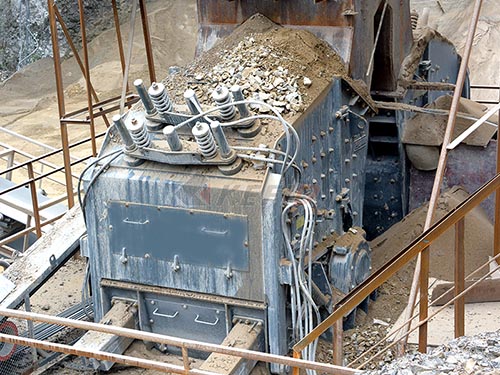
1. Entry-Level Models from Reputable Brands: Major manufacturers (like Metso, Sandvik, Terex, and smaller regional leaders) often offer simplified versions of their flagship models. These machines are “cheap” relative to their high-end counterparts but are built on proven platforms with standardized parts. They may lack advanced automation, premium components (like higher-grade bearings), or multi-function capabilities but maintain a baseline of reliability and support.
2. Used and Refurbished Crushers: This is a vast market where significant savings (30-60% off new list price) can be found. A “cheap” used crusher can be a phenomenal value if it has a well-documented service history and comes from a reputable source. Refurbished units, where critical wear parts and systems have been professionally renewed, offer a middle ground between used and new.
3. New Machines from Emerging/Price-Competitive Manufacturers: Primarily originating from regions with lower manufacturing costs, these brands compete aggressively on price. Their offerings can be 40-70% cheaper than equivalent-sized machines from Western brands. This category carries the widest variance in quality—from surprisingly competent machines to dangerously substandard equipment.
Key Types of Affordable Stone Crushers
For small to medium-scale operations, certain crusher types dominate the affordable segment:
- Jaw Crushers: The workhorse of primary crushing. Simple in design and robustly built even in economy models. A cheap jaw crusher is often the most viable entry point for hard rock processing.
- Impact Crushers (Horizontal Shaft Impactors – HSIs): Excellent for softer stone like limestone and recycling applications. Their simpler design compared to cone crushers can make them more affordable for secondary crushing.
- Hammer Crushers: Extremely simple in construction—a rotating shaft with hammers that smash material against breaker plates. Very low cost to manufacture and purchase but inefficient on abrasive materials and generate excessive fines.
- Small Mobile Tracked/Crawler Crushers: The rise of compact mobile units has created a niche of relatively affordable, self-contained crushing plants ideal for small job sites.
The Inevitable Trade-Offs: What Does “Cheap” Really Cost?
Purchasing a stone crusher based solely on invoice price involves accepting risks that translate into real costs over time:
- Material Quality & Durability: Lower-grade steel in frames, housings, and rotors is susceptible to fatigue cracking under cyclical loading. Inferior castings for critical components like jaw plates or impact bars may have microscopic flaws leading to premature catastrophic failure.
- Component Sourcing: Cheap machines often use non-standard or proprietary bearings, seals, and electrical components. When they fail—and they will—downtime escalates as parts are not locally available and must be shipped from overseas with long lead times.
- Engineering & Design Compromises: Simplifications might include inadequate access doors for maintenance, lack of dust sealing leading to bearing contamination, undersized lubrication systems causing overheating, or poor weight distribution affecting stability.
- Performance Inefficiency: Lower crushing efficiency (higher power consumption per ton), inconsistent product gradation (more waste or out-of-spec material), and higher wear rates directly increase operational costs (OPEX).
- Safety Considerations: Some ultra-cheap machines may bypass international safety standards: missing guards on rotating parts inadequate emergency stop systems or poorly designed lock-out/tag-out points.
- After-Sales Support & Warranty: This is often the most critical differentiator. A cheap machine with no local technical support reliable spare parts supply or meaningful warranty becomes a liability the moment it breaks down.
Strategic Guide to Making a Smart “Cheap” Purchase
The goal is not to avoid low-cost options but to become a discerning buyer who minimizes risk.
1. Define Your Needs Precisely:
- Material Characteristics: Abrasiveness hardness moisture content feed size
- Required Output: Tons per hour desired final product sizes (% of fines vs aggregate)
- Application: Stationary plant or mobile? Quarry primary crushing or recycling?
- Clear parameters prevent you from overbuying or buying an unsuitable cheap machine
2. Prioritize Total Cost of Ownership (TCO) Over Purchase Price:
Calculate estimated costs over 3-5 years:
- Initial Price + Cost of Wear Parts (estimated consumption rate x price/part) + Energy Consumption + Estimated Downtime Costs + Major Overhaul Costs.
A slightly more expensive machine with known durable parts may have a far lower TCO.
3. If Considering Used/Refurbished:
- Inspect Thoroughly: Check for weld repairs cracks frame alignment bearing seats
- Review History: Request maintenance logs hour meter readings records of replaced parts
- Test Run Under Load: If possible crush actual material listen for unusual vibrations noises monitor overheating
- Consider buying through a reputable dealer who offers a short warranty on refurbished units
4. If Considering New from Value-Oriented Brands:
- Research the Manufacturer Extensively: How long have they been exporting? Can you contact other customers outside their reference list?
- Demand Transparency on Parts Interchangeability & Availability: Which bearings does it use? Are they SKF/Timken equivalents? Where are wear parts stocked locally?
- **Scrutinize Key Components Openly Ask about steel grades casting processes origin of major components like motors gearboxes
- Get everything in writing including warranty terms what it covers response time commitments
Conclusion: Redefining “Cheap”
In conclusion while the market is flooded with stone crusher machines advertised as cheap true economy is measured not at the point of sale but over the lifespan of the equipment The cheapest machine is ultimately one that reliably produces specification aggregate at the lowest cost per ton over its operational life For capital constrained buyers this often means investing time in due diligence considering quality used equipment from known brands or selecting entry level models from manufacturers that offer robust dealer support A strategic approach where you understand exactly what compromises you are making allows you to harness the benefits of low initial investment while managing the associated risks effectively Remember in heavy industry there are rarely pleasant surprises with equipment that seems too good to be true making informed caution your most valuable asset when seeking an affordable stone crusher solution
