
Title: Comprehensive Guide to Slag Crusher Plant Wholesalers: Specifications, Types, and Selection Criteria
Introduction
In the metallurgical and construction industries, slag—a byproduct of steel and iron production—poses both a disposal challenge and a valuable resource opportunity. Efficient processing of slag into reusable aggregates, cement additives, or road base materials requires robust crushing and screening equipment. This is where slag crusher plants come into play. For businesses seeking to procure such machinery in bulk, understanding the specifications offered by wholesalers is critical. This article provides an in-depth, professional analysis of slag crusher plant specifications as provided by wholesalers, covering technical parameters, component configurations, capacity ranges, and key selection factors. The goal is to equip procurement managers, plant engineers, and investors with the knowledge needed to make informed purchasing decisions.
1. Overview of Slag Crusher Plants
A slag crusher plant is a specialized industrial facility designed to reduce large chunks of slag (from blast furnaces, steel converters, or ladle furnaces) into smaller, marketable fractions. The process typically involves primary crushing, secondary crushing, magnetic separation, and screening. Wholesalers offer these plants in various configurations—stationary, semi-mobile, and fully mobile—to suit different operational scales and site conditions.
The core machinery includes jaw crushers, cone crushers, impact crushers, vibrating feeders, magnetic separators, and vibrating screens. Wholesalers often provide complete turnkey solutions or modular components that can be integrated into existing operations.
2. Key Technical Specifications from Wholesalers
When evaluating slag crusher plant offerings from wholesalers, the following specifications are paramount:
2.1. Feed Material Characteristics
2.2. Capacity and Throughput
2.3. Crusher Types and Their Specifications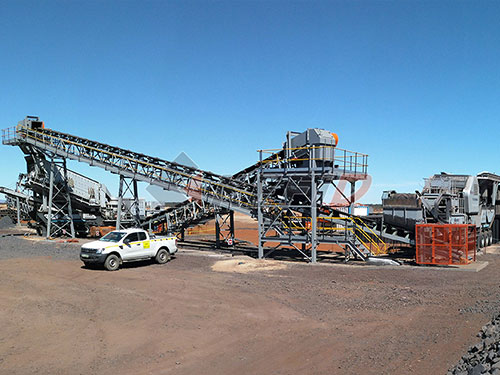
| Crusher Type | Application | Key Specs (Wholesaler Data) |
|---|---|---|
| Jaw Crusher | Primary crushing | Feed opening: 600×900 mm to 1200×1500 mm; Power: 75–250 kW; CSS adjustment: hydraulic or mechanical |
| Cone Crusher | Secondary/tertiary | Chamber type: standard or short head; Max feed: 200–300 mm; Power: 90–400 kW; Eccentric throw: 20–50 mm |
| Impact Crusher | Secondary (for softer slag) | Rotor diameter: 1000–1500 mm; Hammer configuration: 2–4 rows; Power: 110–315 kW |
| Roll Crusher | Fine crushing | Roll diameter: 600–1200 mm; Gap adjustment: 2–20 mm; Power: 30–150 kW |
2.4. Magnetic Separation Specifications
2.5. Screening Specifications
2.6. Power and Drive Systems
2.7. Structural and Material Specifications
3. Plant Configurations Offered by Wholesalers
3.1. Stationary Plants
3.2. Semi-Mobile Plants
3.3. Fully Mobile Plants
4. Quality Standards and Certifications
Reputable wholesalers ensure compliance with international standards:
5. Additional Equipment and Accessories
Wholesalers often include or offer as options:
6. Selection Criteria for Buyers
When engaging with slag crusher plant wholesalers, consider the following:
6.1. Material Analysis
Request a slag sample analysis (chemical composition, abrasion index, moisture). Wholesalers should provide a customized plant design based on this data.
6.2. After-Sales Support
6.3. Total Cost of Ownership (TCO)
6.4. Customization Options
7. Common Wholesaler Specifications Table (Example)
| Parameter | Specification Range | Typical Value (Medium Plant) |
|---|---|---|
| Feed Size | 300–800 mm | 500 mm |
| Capacity | 50–150 TPH | 100 TPH |
| Primary Crusher | Jaw Crusher (PE-750×1060) | 110 kW |
| Secondary Crusher | Cone Crusher (PSGB-0917) | 90 kW |
| Magnetic Separator | Overband, 1000 Gauss | 1200 mm belt width |
| Screen | 2-deck, 6×2 m | 15 kW |
| Total Power | 250–400 kW | 320 kW |
| Plant Weight | 40–80 tons | 55 tons |
| Dust Control | Wet spray + baghouse | 99% efficiency |
8. Leading Wholesaler Regions and Their Offerings
9. Conclusion
Selecting the right slag crusher plant from a wholesaler requires a thorough understanding of technical specifications, from feed material properties to final product requirements. Wholesalers provide detailed data sheets covering crusher types, capacities, magnetic separation efficiency, and structural integrity. Buyers must evaluate not only the initial capital cost but also long-term factors such as wear part life, power consumption, and after-sales support. By aligning plant specifications with operational goals—whether for road construction aggregates, cement raw material, or iron recovery—procurement teams can ensure a profitable and sustainable slag processing operation. Always request a site-specific proposal and, if possible, a visit to an existing installation before finalizing a wholesale purchase.
If you have any questions about our products, please feel free to contact us. We take all inquiries and suggestions very seriously.