Slag Crusher Plant Vendors Specification: A Comprehensive Guide for Industrial Procurement
In the modern industrial landscape, particularly within the ferrous and non-ferrous metal production, power generation, and construction sectors, the management of by-products is a critical operational and environmental concern. Slag, a stony by-product separated from metals during the smelting or refining of ore, represents both a disposal challenge and a potential resource. Processing this material into valuable aggregates or for metal recovery necessitates specialized equipment: the slag crusher plant. The procurement of such a plant is a significant capital investment, and its success hinges on a deep understanding of vendor specifications. This detailed guide delves into the multifaceted specifications potential buyers must scrutinize when evaluating slag crusher plant vendors.
1. Plant Capacity and Throughput Specifications
The cornerstone of any specification is capacity. Vendors must provide clear, realistic throughput rates under defined conditions.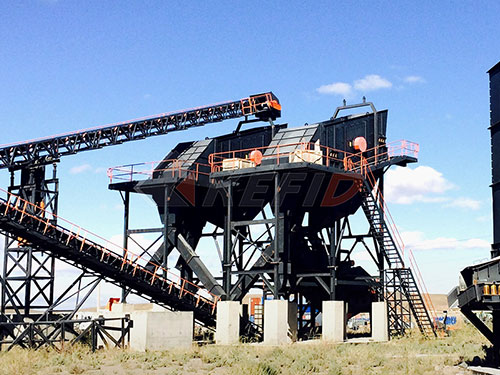
- Design Capacity: Stated in tons per hour (TPH) or metric tons per hour (MTPH). This should be based on a specific input slag characteristics (e.g., bulk density of 1.6-2.0 t/m³, feed size of 0-500mm).
- Operating Capacity: Often 80-90% of design capacity to account for real-world variables like feed consistency and maintenance.
- Scalability: Specifications should indicate if the plant design allows for future capacity expansion through component upgrades (e.g., larger crusher motor, wider conveyors).
2. Feed Material and Product Specification
A vendor’s proposal is meaningless without precise definitions of input and output.
- Input Slag Characteristics:
- Type: Blast Furnace Slag (BFS), Steel Slag (EAF/LD), Copper Slag, etc. Each has different abrasiveness, hardness (often measured by Mohs scale or Bond Work Index), and metallurgical content.
- Feed Size Distribution: Maximum lump size (e.g., 800mm), percentage of fines.
- Moisture Content: High moisture can cause clogging; specifications for handling wet slag (e.g., pre-screening, dedicated feeders) are crucial.
- Abrasive & Corrosive Properties: Affects liner material selection.
- Required Final Product(s):
- Gradation/Sizing: Exact particle size distribution required (e.g., 0-4mm, 4-10mm, 10-20mm). This dictates the crushing circuit design (open or closed loop) and screen deck configurations.
- Shape Requirements: Cubical shape for high-value aggregate may require specific crusher types (like vertical shaft impactors) in tertiary stages.
- Metal Recovery Rate: If metal reclamation is an objective, the specification must mandate magnetic separators (suspended or drum) with stated recovery efficiency (>98% is common).
3. Core Crushing Equipment Specifications
The heart of the plant. Vendors should specify each major component in detail.
- Primary Crusher:
- Type: Jaw Crusher (for high compression strength slag) or Impact Crusher (for less abrasive, friable slag).
- Specs: Feed opening dimensions, crushing chamber geometry, drive power (kW), flywheel mass, toggle plate mechanism details.
- Liner Material: Manganese steel grade (e.g., Mn14Cr2) with guaranteed wear life in hours/tonnage processed.
- Secondary & Tertiary Crushers:
- Types: Cone Crushers (for hard, abrasive slag), Horizontal Shaft Impactors (HSI) or Vertical Shaft Impactors (VSI) for shaping.
- Specs: Closed Side Setting (CSS) adjustment range, chamber options, hydraulic clearing system specs, bearing size and type.
- Screening Units:
- Type & Decks: Vibrating screens (linear or circular motion); number of decks; screen cloth material (rubber vs polyurethane vs wire mesh) and aperture sizes per deck.
4. Auxiliary System Specifications
These often differentiate a reliable plant from a problematic one.
- Feed System: Apron feeder or vibrating grizzly feeder specifications—pan width/ length/ flights, drive power, ability to handle direct dump from haulers.
- Conveying System:
- Belt width, speed, idler type (impact/return), pulley diameters.
- Dust containment measures like full-length skirting with ceramic inserts at loading points.
- Dust Suppression & Collection:
- Wet System: Nozzle type, water pressure/flow rate coverage area.
- Dry System: Baghouse filter specs—air-to-cloth ratio filter bag material suitable for high-temperature slag dust if applicable.
5. Structural & Electrical Specifications
- Plant Framework: Heavy-duty structural steel design load specifications wind/seismic ratings if applicable. Modular vs fixed design should be specified with lifting lugs clearly indicated on drawings.
- Walkways Guardrails & Access Platforms: Compliance with international safety standards like OSHA or ISO 14122 for safe maintenance access to all points.
*Electrical Control System:
- Motor control center specifications enclosure rating IP protection).
- Automation Level PLC/HMI brand model with features like remote monitoring fault diagnostics production reporting).
- Electrical components brands should be specified Schneider Siemens ABB etc.) as an indicator of quality.
6 Power Requirement & Drive Details
Total connected load main voltage e.g., V V Hz). Drive mechanisms gearbox make type coupling details). Soft starters or variable frequency drives VFDs) for critical motors to reduce mechanical stress.
7 Vendor Qualification & Service Specifications
Beyond hardware vendor capability is paramount.This section should be treated as critically as technical specs.
**Design & Engineering Capability:
- In-house engineering team experience references from similar projects).
- Provision of detailed General Arrangement GA drawings foundation drawings P&ID diagrams).
**Manufacturing Quality:
- Workshop facilities CNC machinery welding standards e.g., EN ISO .
- Material traceability certificates for major steel castings.
**Warranty & Performance Guarantee:
- Comprehensive warranty period typically months covering defects in material/workmanship).
- Performance guarantee for throughput product gradation power consumption often with defined penalty clauses).
**After-Sales Support:
- Availability of spare parts inventory commitment to delivery timelines e.g., critical parts within hours).
- Field service engineer availability training programs for client personnel).
**Environmental Health Safety EHS Compliance:
- Plant design must comply with local noise dust emission regulations.Vendor should provide predicted noise levels at property boundary.
Conclusion
Procuring a slag crusher plant is not merely buying machinery it is investing in a long-term processing solution.A meticulously crafted vendor specification document serves as both a technical blueprint and a contractual safeguard.It forces clarity eliminates ambiguity aligns vendor offerings with operational needs ultimately ensuring that the selected plant delivers optimal availability throughput final product quality return on investment.Buyers are advised to engage technical consultants during the specification drafting tendering process conduct thorough factory acceptance tests FAT at vendor’s workshop prior to dispatch.The most successful projects are built upon foundations not just concrete but precise comprehensive well-evaluated specifications
