
Title: Slag Crusher Plant Vendor R&D: Technological Advancements, Challenges, and Strategic Imperatives
Abstract
The global steel and metallurgical industries generate vast quantities of slag as a by-product of metal smelting. Efficient processing of this slag into valuable secondary raw materials—such as aggregates, cementitious additives, and road base materials—requires specialized crushing and screening equipment. The research and development (R&D) efforts of slag crusher plant vendors are critical to improving throughput, reducing operational costs, enhancing product quality, and minimizing environmental impact. This article provides a comprehensive, professional, and objective analysis of the current state of R&D within the slag crusher plant vendor ecosystem. It examines key technological innovations, material science challenges, automation trends, environmental compliance requirements, and the strategic importance of vendor-led R&D for the circular economy. The discussion is grounded in engineering principles, market realities, and sustainability imperatives, offering insights for plant operators, procurement professionals, and industry stakeholders.
1. Introduction
Slag, a non-metallic by-product of iron and steel production, is generated in massive quantities—approximately 300–400 kg per ton of crude steel. Historically considered waste, slag is now recognized as a valuable resource. However, its effective utilization depends on proper crushing, screening, and beneficiation. Slag crusher plants are purpose-built facilities that process air-cooled blast furnace slag, steel slag, granulated slag, and other variants into saleable products.
Vendors of slag crusher plants—ranging from global heavy equipment manufacturers to specialized regional fabricators—invest significantly in R&D to differentiate their offerings. Unlike conventional aggregate crushers, slag crushers must contend with extreme abrasiveness, high metallic content, variable feed moisture, and the need for precise product gradation. Consequently, vendor R&D is not merely an option but a competitive necessity. This article explores the multifaceted dimensions of this R&D landscape.
2. The Unique Demands of Slag Crushing: A Technical Primer
To appreciate vendor R&D, one must first understand the material challenges. Slag differs from natural rock in several critical ways:
These factors drive R&D priorities: wear life extension, metal recovery integration, moisture management, and energy efficiency.
3. Core R&D Areas in Slag Crusher Plant Design
3.1 Wear-Resistant Materials and Component Design
The single largest operational cost in slag crushing is wear part replacement. Vendor R&D focuses heavily on metallurgy and geometry.
3.2 Magnetic Separation and Metal Recovery Integration
Steel slag contains valuable metallic iron that must be recovered before the slag can be used in cement or construction. Vendors now integrate magnetic separators directly into the crushing circuit.
3.3 Screening and Classification Innovations
Slag screening is notoriously difficult due to blinding (clogging of screen apertures) and pegging (particles wedging in openings). Vendor R&D addresses this through:
3.4 Automation and Digital Twin Technology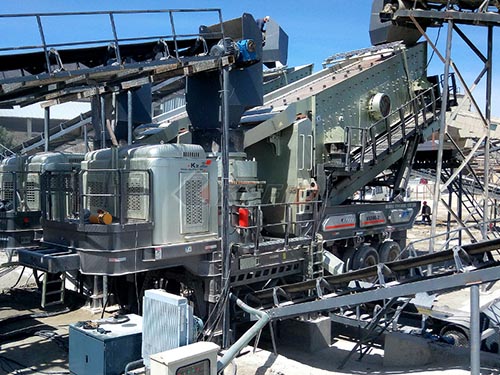
Modern slag crusher plants are increasingly automated. Vendor R&D has shifted toward:
3.5 Energy Efficiency and Environmental Compliance
Slag crushing is energy-intensive. R&D focuses on reducing kWh per ton:
4. Case Studies of Vendor R&D Initiatives
4.1 Vendor A: The “SlagMaster” Series
A major European vendor developed a dedicated slag impact crusher with a unique “anvil ring” design. Instead of traditional breaker plates, the rotor throws slag against a stationary ring of wear-resistant steel. R&D showed that this design reduces power consumption by 15% and increases hammer life by 40% compared to conventional impactors. The vendor also integrated a downstream ball mill for fine grinding of slag for cement applications.
4.2 Vendor B: Mobile Slag Processing Units
An Indian vendor focused on mobility, recognizing that many steel plants require temporary or relocatable processing. Their R&D produced a fully mobile slag crusher plant on a single trailer chassis, with integrated magnetic separator, screen, and conveyors. The unit can process 50–100 tph and be operational within 48 hours of arrival. Key innovations include a hydraulic lifting system for quick setup and a dust collection system that meets Indian National Ambient Air Quality Standards.
4.3 Vendor C: Zero-Water Slag Beneficiation
A Chinese vendor developed a dry processing line for granulated blast furnace slag (GBFS). Traditional GBFS processing uses large amounts of water for quenching and washing. This vendor’s R&D produced an air-cooled, multi-stage crushing and classification system that achieves the same fineness (400–500 m²/kg Blaine) without water. The system reduces water consumption by 100% and eliminates slurry disposal costs.
5. Challenges in Slag Crusher Plant R&D
Despite progress, vendors face significant hurdles:
6. The Role of Vendor R&D in the Circular Economy
Slag crusher plant vendors are enablers of the circular economy. By converting industrial waste into construction materials, they reduce landfill burden and conserve natural aggregates. R&D directly supports this mission:
7. Future Directions in Slag Crusher Plant R&D
Looking ahead, several trends will shape vendor R&D:
8. Conclusion
Slag crusher plant vendor R&D is a dynamic, technically demanding field that directly impacts the profitability and sustainability of the steel and construction industries. From advanced wear materials and magnetic separation to digital twins and zero-water processing, vendors are continuously innovating to address the unique challenges of slag processing. However, success requires a deep understanding of material science, mechanical engineering, automation, and environmental regulations. For plant operators, selecting a vendor with a strong R&D track record is not just about buying equipment—it is about investing in long-term operational excellence and environmental stewardship. As the global push for circular economy intensifies, the role of slag crusher plant vendors as technology innovators will only grow in importance.
References (Illustrative)
This article is intended for informational and educational purposes. Specific vendor claims and performance data should be verified directly with the manufacturer.
If you have any questions about our products, please feel free to contact us. We take all inquiries and suggestions very seriously.