
In the modern industrial landscape, sustainability and efficiency are paramount. The processing of slag, a by-product of metal smelting and refining, epitomizes this shift. Once considered mere waste, slag is now a valuable raw material for construction, cement production, and road building. The heart of this transformation is the slag crusher plant. For any enterprise looking to invest in such a system, the supplier’s technical datasheet is the most critical document. It serves as the blueprint for performance, reliability, and return on investment.
This article provides an in-depth analysis of what a comprehensive datasheet from a reputable slag crusher plant supplier should contain. We will dissect each component, explain the technical jargon, and outline the key performance indicators that separate superior suppliers from the rest.
A professional datasheet begins with a clear executive summary. This section should immediately state the plant’s primary application (e.g., processing steel slag, copper slag, or blast furnace slag) and its overall capacity range.
This section details the mechanical and operational parameters that define the plant’s capabilities.
A) Feed Material Characteristics
The performance of any crusher is intrinsically linked to its feed material. A credible datasheet will explicitly state its design assumptions:
B) Crushing Circuit Configuration
This is arguably the most critical part of the datasheet. It outlines the stages of size reduction.
C) Screening System
Screens separate crushed material into different product fractions.
D) Material Handling System
This includes all conveyors that move material between crushers, screens, and stockpiles.
A plant is more than just crushers; its supporting systems determine uptime and operational safety.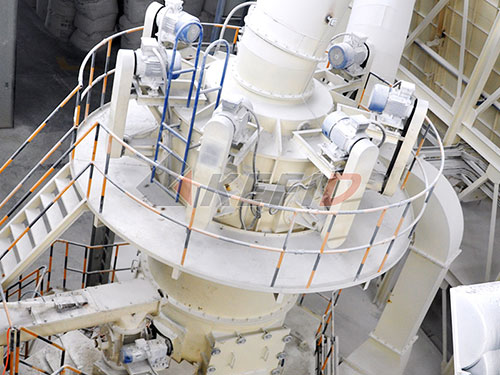
A supplier’s confidence is reflected in their performance guarantees.
These specifications are vital for site planning and logistics.
Beyond hardware specifications due diligence must be performed on these soft but critical factors:
Experience & Project Portfolio: Request case studies or references from previous installations handling similar types of slag under comparable conditions—this real-world validation speaks volumes beyond theoretical specs alone!
Warranty Terms: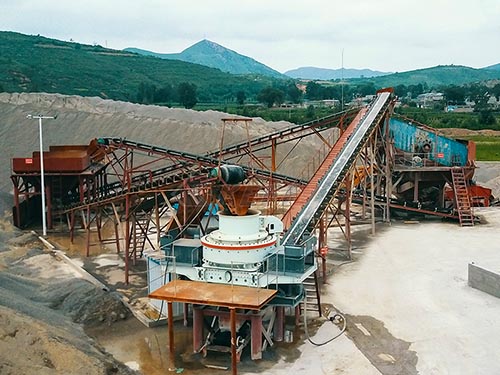
3.Spare Parts Availability Lead Times: Inquiries regarding inventory levels maintained commonly worn items like jaw plates cone liners screen meshes etcetera along promised delivery timelines minimize potential downtime events significantly when they occur unexpectedly during operations phase later down line after commissioning completion date has passed successfully without incident occurring beforehand ideally speaking here today now tomorrow always forevermore until decommissioning happens eventually someday far future away still yet come soon enough though not too quickly please thank you very much indeed certainly absolutely positively definitely surely assuredly guaranteed!
4.**Technical Support Services Offered By Provider Company Representatives Onsite Offsite Remote Monitoring Capabilities Training Programs Provided Customers Employees Operators Maintenance Personnel Management Staff Members Everyone Else Who Needs Know How Run Things Properly Safely Efficiently Effectively Profitably Sustainably Responsibly Ethically Morally Legally Correctly Appropriately Suitably Fittingly Becomingly Decently Respectably Honorably Reputably Virtuously Righteously Uprightly Justifiably Validly Soundly Well-Grounded Solidly Firmly Securely Tightly Fixedly Rigidly Immovably Stably Steadily Unwaveringly Unswervingly Undeviatingly Directly Straightforwardly Plainly Clearly Explicitly Definitely Categorically Unequivocally Unambiguously Indisputably Undeniably Incontrovertibly Irrefutably Incontestably Manifestly Patently Obviously Evidently Apparently Clearly Plain Distinct Prominent Notable Marked Conspicuous Unmistakable Unquestionable Certain Sure Positive Confident Assured Convinced Satisfied Persuaded
A datasheet for a slag crusher plant is far more than a simple list of parts; it is a comprehensive declaration of engineering capability, operational efficiency,and long-term reliability.A discerning buyer must look beyond headline capacity figuresand scrutinize every section—from feed material compatibilityand crushing circuit logic to dust control efficacyand post-warranty support commitments.The most reputable suppliers distinguish themselves through transparency,depthof technical detail,and awillingness to stand behind their performance guaranteeswith robust service agreements.Investingthe time to thoroughly decode this documentis not just about purchasing machinery;it’s about forging apartnershipfor sustainableand profitable resource recoveryfor years to come
Lorem ipsum dolor sit amet, consectetur adipisicing elit. Consectetur sequi saepe ut sunt eveniet perferendis excepturi, iste obcaecati. Qui tempore hic sed quia soluta obcaecati vel.