
Abstract: The global construction and metallurgical industries generate vast quantities of slag, a by-product with significant potential value when processed. Slag crusher plants are specialized facilities designed to crush, screen, and process various types of slag (blast furnace, steel, copper, etc.) into valuable aggregates and raw materials. However, sourcing the right plant—a complex assembly of crushers, screens, conveyors, and sorting systems—presents a formidable challenge for buyers. This article delves into the specialized niche of Slag Crusher Plant Sourcing Agents, analyzing their indispensable role in navigating the intricate global supply chain, mitigating risks, and ensuring optimal capital expenditure for clients.
A slag crusher plant is not an off-the-shelf commodity. It is a capital-intensive, engineered-to-order or configured-to-application system. Variables include:
For an end-user—a steel mill looking to valorize waste, a construction company entering the recycling sector, or an independent recycling firm—navigating this technical labyrinth amidst a global supplier base is daunting. This is where the specialized sourcing agent becomes a critical strategic partner.
A sourcing agent in this context acts as a professional intermediary who leverages deep market knowledge, technical expertise, and supply chain networks to facilitate the procurement process on behalf of the buyer. They function as an extension of the client’s procurement team but with concentrated industry-specific intelligence.
Core Competencies:
3.1. Access to Vetted Supplier Networks
Agents maintain curated databases of manufacturers beyond those easily found online. They distinguish between true OEMs with in-house engineering and assembly factories from trading companies or “factory hotels.” This vetting mitigates the risk of engaging with unreliable entities offering substandard equipment.
3.2. Technical Specification Alignment & Neutral Advice
An ethical agent translates client needs into precise technical specifications without bias toward a particular brand initially. They can objectively compare proposals from different suppliers—for instance, evaluating a proposal featuring a high-pressure grinding roll (HPGR) versus a traditional cone crusher circuit for fine slag grinding—based on total cost of ownership (TCO), not just initial Capex.
3.3. Cost Negotiation & Hidden Cost Mitigation
Leveraging repeat business volume and negotiation expertise, agents secure favorable commercial terms beyond simple unit price reduction: extended warranty terms; clauses for performance guarantees; spare part packages; on-site commissioning support costs capped upfront.
They identify hidden costs: under-specified motors leading to higher energy consumption; unsuitable bearing selections causing premature failure; or non-compliant electrical systems requiring costly retrofitting upon import.
3.4. End-to-End Project Management & Risk Mitigation
The agent’s role spans the entire procurement lifecycle:
This holistic management de-risks one of the most significant investments a recycling or industrial client will make.
The agent’s expertise is directly applied to overcoming these pervasive challenges:
4.1 Information Asymmetry
Buyers often lack visibility into manufacturers’ true capabilities or recent project histories abroad where similar slag was processed successfully/unsuccessfully). Agents bridge this gap through on-ground due diligence including visiting past installation sites if possible).
4.2 Quality Heterogeneity
Markets like China offer both world-class engineering firms producing export-grade machinery alongside workshops producing inferior clones using substandard castings). Distinguishing between them requires inspecting welding techniques checking material certificates verifying CNC machining capabilities).
4.3 Intellectual Property Concerns
Sharing detailed site layouts feed material analyses with multiple unknown suppliers carries risk). Trusted agents use Non-Disclosure Agreements NDAs staggered information release strategies protect client IP during preliminary discussions).
4.4 After-Sales Service Variability
A cheap plant price becomes irrelevant if breakdowns lead months-long production stoppages waiting technicians spare parts). Agents evaluate suppliers service network responsiveness include stringent service level agreements SLAs within contract).
A structured approach typically follows these phases:
1 Phase 1 Discovery Definition
Agent collaborates closely client understand exact application capacity constraints budget site limitations environmental regulations etc Develop preliminary Process Flow Diagram PFD key equipment list KEL).
2 Phase 2 Global Market Scan Shortlisting
Agent taps network identifies potential matches across geographies Presents client dossier each shortlisted supplier outlining strengths weaknesses typical lead times price positioning).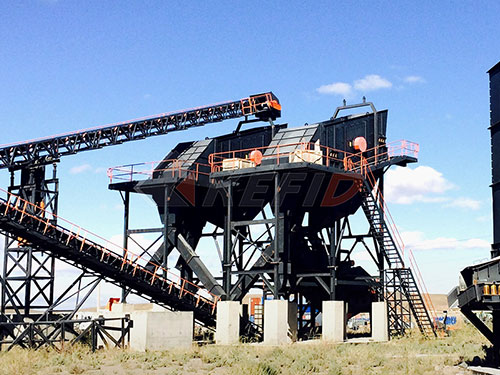
3 Phase 3 RFQ Management Technical Dialogue
Agent issues comprehensive RFQ facilitates Q sessions ensures all bidders quoting same basis apples-to-apples comparison crucial when comparing Chinese European offers where scope exclusions common).
4 Phase 4 Due Diligence Negotiation
For top contenders agent conducts deep-dive reference checks financial stability audits factory audits Leads negotiations focusing TCO secures detailed commissioning protocol performance test methodology contract).
5 Phase 5 Execution Monitoring
Upon order placement agent schedules milestone inspections FAT witnesses critical tests like rotor dynamic balancing oversees packing marking coordinates shipping insurance finalizes import documentation support).
6 Phase 6 Post-Delivery Support
Agent remains point escalation during commissioning ensures training executed per agreement facilitates first spare parts order establishing long-term supply channel wear parts consumables like liners screen meshes etc.).
In conclusion sourcing slag crusher plant transcends simple transactional purchasing It strategic capital project requiring multidisciplinary expertise For most organizations developing this expertise in-house impractical costly misstep given scale investment involved Professional Slag Crusher Plant Sourcing Agent therefore evolves from optional intermediary essential strategic partner They provide gateway optimized supply chain ensuring technical fit commercial fairness operational reliability Ultimately they enable clients focus their core business—whether steel production construction recycling—while complex procurement engineered executed precision mitigated risk Their value measured not just percentage savings upfront price but enhanced plant performance reduced downtime longevity asset smoother project execution overall higher return investment circular economy project Thus within industrial ecosystem these specialized agents serve vital linchpins connecting innovation manufacturing excellence end application driving forward sustainable resource utilization globally
Lorem ipsum dolor sit amet, consectetur adipisicing elit. Consectetur sequi saepe ut sunt eveniet perferendis excepturi, iste obcaecati. Qui tempore hic sed quia soluta obcaecati vel.