Slag Crusher Plant Private Label Manufacturer: A Strategic Partner for Sustainable Industrial Growth
In the complex ecosystem of industrial manufacturing and raw material processing, the role of a Slag Crusher Plant Private Label Manufacturer is both specialized and strategically vital. These entities operate behind the scenes, providing the engineering expertise and manufacturing capability that allow other companies—often equipment distributors, large construction firms, or metal processors—to bring robust, branded slag processing solutions to market without investing in their own production infrastructure. This detailed exploration delves into the function, benefits, market dynamics, and critical considerations surrounding private label manufacturers in this niche yet essential sector.
Understanding the Core Product: The Slag Crusher Plant
Before examining the private label model, one must understand the product itself. Slag is a by-product generated during metallurgical processes, such as smelting iron ore in a blast furnace (iron slag) or refining copper, lead, and other non-ferrous metals. Once considered mere waste, slag is now recognized as a valuable secondary resource. When processed correctly, it can be used as aggregate in road construction, cement clinker raw material (granulated blast furnace slag), railway ballast, or even in agricultural applications.
A Slag Crusher Plant is a tailored material handling and size reduction system designed specifically to process this hard, abrasive, and sometimes corrosive material. A typical plant includes:
- Primary Crusher: Often a jaw crusher or gyratory crusher to handle large slag lumps.
- Secondary & Tertiary Crushers: Cone crushers or impact crushers for further reduction to desired sizes.
- Screening Equipment: Vibrating screens to separate material into specific grades (e.g., 0-5mm, 5-20mm).
- Material Handling System: Feeders (apron, vibrating), conveyor belts, and hoppers.
- Dust Suppression/Control System: Critical for maintaining environmental compliance due to the fine particulate generated.
- Control Panel & Automation: For efficient operation and monitoring.
These plants are engineered for durability to withstand the extreme wear caused by slag’s abrasive nature.
The Private Label Manufacturer Defined
A Private Label Manufacturer designs, engineers, fabricates, assembles, and tests complete slag crusher plants which are then sold under another company’s brand name (the “client” or “label holder”). The client company markets, sells, installs (often with the manufacturer’s support), and provides after-sales service for the equipment. The manufacturer remains invisible to the end-user but is responsible for the product’s core quality, performance, and reliability.
This business-to-business (B2B) model contrasts with:
- OEMs (Original Equipment Manufacturers): Companies like Metso Outotec or Sandvik that design, build, and sell under their own globally recognized brands.
- White Label Manufacturers: Similar but often implies a more generic product that multiple resellers sell under different names with minimal customization.
Private label arrangements are typically deeper partnerships involving significant customization to meet the client’s specific market needs and technical specifications.
Value Proposition: Why This Model Thrives
For the Client Company (The Brand Owner):
- Rapid Market Entry & Brand Building: Companies can quickly offer a complete line of heavy processing equipment without decades of R&D or capital investment in factory space and machinery.
- Capital Efficiency: It converts fixed capital expenditure (building a factory) into variable costs (per-unit manufacturing costs), freeing capital for salesforce expansion marketing.
- Focus on Core Competencies: The client can focus on sales distribution network building customer relationships while leveraging the manufacturer’s engineering expertise.
- Customization & Flexibility: A good private label partner offers design flexibility allowing clients to tailor plants for specific regional slag types local regulations creating a competitive edge.
- Control over Brand Identity: The client controls pricing marketing strategy brand messaging building equity in their own name.
For the End-User (The Mining/Metal Processing Company):
- Access to Specialized Technology: Often gains access to well-engineered equipment from a regional brand that understands local conditions better than a distant global OEM.
- Potentially Competitive Pricing: With lower overhead costs for the brand owner savings can sometimes be passed on though premium private labels compete on value not just price.
- Localized Support: They deal with a local or regional sales service team which may promise more responsive support.
For the Private Label Manufacturer:
- Stable Production Volume: Long-term contracts with clients provide predictable order books improving production planning resource utilization.
- Focus on Engineering & Production Excellence: They can concentrate on what they do best—designing building—without bearing costs of global marketing sales campaigns.
- Business Growth Through Partnerships: Success is tied directly to their clients’ success fostering strong collaborative relationships driving continuous improvement innovation based on field feedback.
Key Market Dynamics Driving Demand
- The Circular Economy Imperative: Global pressure toward zero-waste industries has transformed slag from liability into asset driving demand for efficient processing equipment making crusher plants crucial infrastructure.
- Infrastructure Development Booms: Particularly in emerging economies massive road construction projects create high demand for affordable reliable aggregates making processed slag an attractive alternative to natural aggregates boosting need for processing plants.
- **Steel Industry Dynamics Regions like India China Southeast Asia Middle East where steel production is high generate enormous volumes of blast furnace basic oxygen furnace slag requiring onsite offsite processing solutions creating steady market.
- Regulatory Environmental Standards: Stricter laws regarding industrial waste disposal site rehabilitation incentivize metal producers invest in processing capabilities often through partners who offer branded turnkey solutions sourced from private label manufacturers.
Critical Selection Criteria for Choosing Partner
For company seeking private label manufacturer due diligence paramount: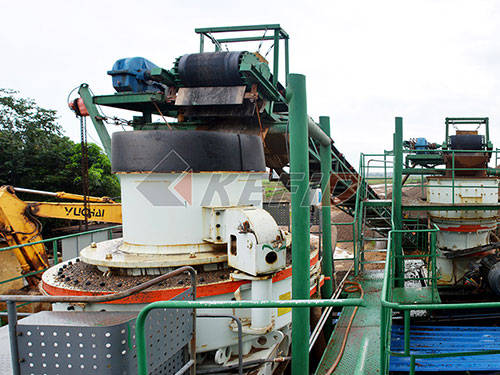
- Engineering Design Capability: Must have proven experience designing plants specifically for slag. Expertise must cover material science understanding abrasiveness composition hardness different slags proper selection wear-resistant materials liners alloys).
- Manufacturing Quality Control: Facility should have modern CNC cutting bending welding robotic systems stringent QA/QC protocols non-destructive testing NDT). Certifications ISO CE etc.) are baseline indicators.)
- *Testing Commissioning Support: Ability provide factory acceptance testing FAT) supply erection commissioning documentation manuals training client’s personnel.)
- *Component Sourcing Reliability: Strong supply chain relationships with reputable bearing motor gearbox manufacturers ensure plant reliability avoid downtime.)
- *Flexibility Customization Willingness: True partner will collaborate deeply modify designs incorporate client’s unique features branding requirements.)
- **Intellectual Property Confidentiality: Must have clear agreements protecting client’s brand proprietary designs shared during collaboration.)
- **Financial Operational Stability: Partner must be financially sound deliver consistent quality over long-term contract life.)
Challenges Risks Model
*Brand Owner Risk Reputation Dependency: Client’s brand reputation becomes entirely dependent hidden manufacturer’s quality control slip leads catastrophic failure end-user blames brand owner not manufacturer damaging hard-earned market trust.)
Communication Complexity:* Effective seamless communication between sales engineering teams both companies essential avoid specification mismatches delays.)
*Potential Conflict Interest: Manufacturer might serve multiple clients same region potentially even competitors careful contractual boundaries required.)
Long-Term Support Spare Parts:* Clear agreements needed regarding spare parts inventory technical support availability ensuring end-user receives service decades after installation.)
Future Trends Outlook
*Technology Integration: Increasing demand smart plants IoT sensors predictive maintenance data analytics private label manufacturers must integrate these capabilities designs stay competitive.)
Sustainability Focus Designs:* Beyond processing waste future plants need energy-efficient drives water recycling systems lower carbon footprint manufacturing processes themselves.)
**Regionalization Supply Chains: Post-global pandemic trends favor regional manufacturing hubs making skilled private label manufacturers strategic assets clients looking secure resilient supply chains.)
Conclusion
The role Slag Crusher Plant Private Label Manufacturer far exceeds simple contract machining represents deep symbiotic partnership foundation modern industrial recycling infrastructure By combining specialized engineering manufacturing prowess one party marketing sales prowess another this model efficiently delivers robust customized solutions market accelerating adoption sustainable practices metal processing industry As world continues grapple resource constraints waste management importance these behind-the-scenes enablers will only grow For companies looking establish dominate niche heavy equipment sector aligning right private label partner isn’t just procurement decision—it’s foundational strategic choice long-term success resilience
