The Backbone of Recycling: A Deep Dive into Slag Crusher Plant OEM Factory Logistics
In the modern industrial landscape, sustainability and efficiency are not just buzzwords but foundational pillars of profitable and responsible operations. The recycling of slag, a byproduct of metal smelting and steel production, stands as a prime example of this principle. At the heart of this recycling process is the Slag Crusher Plant, a complex assembly of machinery designed to reduce slag into valuable, reusable aggregate. However, the creation and delivery of these plants are a monumental task governed by a critical, yet often overlooked, discipline: Original Equipment Manufacturer (OEM) factory logistics. This intricate web of planning, coordination, and execution ensures that these massive industrial workhorses are delivered on time, within budget, and to the exacting specifications required by their operators.
This article provides a comprehensive examination of the logistics chain within an OEM factory specializing in slag crusher plants, dissecting its key components from raw material intake to final site commissioning.
1. The Inbound Logistics: Sourcing the Components of Power
The logistical journey begins not with the finished product, but with the influx of its constituent parts. A slag crusher plant is not a single machine but an integrated system comprising several heavy-duty components.
- Core Machinery Procurement: The primary crushers (like jaw crushers), secondary and tertiary crushers (cone or impact crushers), vibrating screens, and vibrating feeders form the core of the plant. These are often sourced from specialized foundries and machinery manufacturers. Logistics here involves managing global or domestic supply chains, dealing with long lead times for custom castings (e.g., manganese steel jaws and concaves), and ensuring just-in-time delivery to avoid cluttering the factory floor.
- Structural Steel and Fabrication Materials: The plant’s skeleton—its hoppers, conveyors, platforms, and walkways—is fabricated from structural steel. Inbound logistics must coordinate the delivery of I-beams, channels, plates, and grating from steel mills or service centers. This requires meticulous inventory management to align with the production schedule.
- Electrical and Control Systems: Modern plants are highly automated. This necessitates the procurement of motors, variable frequency drives (VFDs), PLCs (Programmable Logic Controllers), switchgear, and miles of cabling. These components often have different supply chain dynamics and require careful handling to prevent damage from electrostatic discharge or moisture.
- Bulk Item Management: Items like conveyor belts idlers pulleys bearings though smaller in individual size are required in large quantities Effective logistics involves bulk purchasing strategic storage and kitting—the practice of gathering all parts needed for a specific sub-assembly (e.g., one conveyor line) into a single kit for the fabrication team
The inbound logistics team must navigate challenges such as price volatility in raw materials international shipping delays customs clearance for imported components and rigorous quality checks upon arrival at the factory gate
2. Internal Logistics: The Symphony of Assembly
Once components are within the factory walls internal logistics takes over This is the art and science of moving materials through the production process efficiently
- Layout Optimization: An OEM factory is typically organized into specialized bays or zones A heavy fabrication bay handles cutting welding and assembling structural frames A machinery bay is where crushers and screens are mounted onto their bases An electrical bay is dedicated to panel building and wire harnessing The internal flow must be designed so that sub-assemblies move seamlessly from one station to the next without backtracking or bottlenecks
- Material Handling: Given the immense weight of components—a single jaw crusher can weigh over 50 tons—specialized material handling equipment is paramount Overhead cranes with capacities exceeding 100 tons rail tracks for moving large assemblies and heavy-duty forklifts are essential tools Their scheduling and operation are a critical part of daily logistics to prevent downtime in the assembly line
- Just-in-Time (JIT) Sequence: For maximum efficiency parts should arrive at each assembly station precisely when they are needed This JIT approach minimizes work-in-progress inventory reduces storage space requirements and accelerates overall production time It requires flawless coordination between procurement warehousing and production planning teams
- Quality Control Integration: Logistics internal to production also includes moving sub-assemblies to quality control stations Non-destructive testing (NDT) for welds alignment checks for conveyor systems and functional testing for electrical panels are all integral stages that parts must flow through before progressing further
3. Outbound Logistics: Delivering Giants
The outbound phase is arguably the most complex logistically It involves transporting a partially or fully assembled plant which can be enormous in size weight from the factory to often remote or challenging customer sites
- Transport Mode Selection: The decision on how to ship depends entirely on plant size site accessibility cost
- Modular/Skid-Mounted Plants: Smaller plants may be assembled on skids containerized modules that can be transported via standard flatbed trucks or shipping containers This offers relative simplicity
- Semi-Knocked Down (SKD) / Completely Knocked Down (CKD): For larger plants or difficult-to-reach locations disassembly is necessary In an SKD configuration major components like crusher bodies screen decks are shipped intact while structural sections are broken down In CKD nearly every part is disassembled for packing maximizing load efficiency but increasing site installation labor
- Route Survey Permitting: Transporting oversized indivisible loads requires meticulous planning A detailed route survey is conducted to identify obstacles like low bridges tight turns weak roads or overhead power lines Based on this specialized permits must be obtained from every state or region through which the convoy will pass This process can take weeks or even months
- Specialized Heavy-Lift Transport: This stage employs multi-axle trailers self-propelled modular transporters (SPMTs)and escort vehicles Police escorts pilot cars utility crews to temporarily raise power lines may all be part of a single shipment The cost risk coordination involved here are immense
- Packaging Preservation: To survive this arduous journey components must be packaged meticulously Machinery internals are protected with desiccant bags rust preventatives VCI films External surfaces are often coated with temporary protective coatings Crating wooden or steel is used for sensitive items like control panels electrical motors
4. Reverse & Site Logistics: The Final Mile
The logistical responsibility does not end when trucks leave factory gate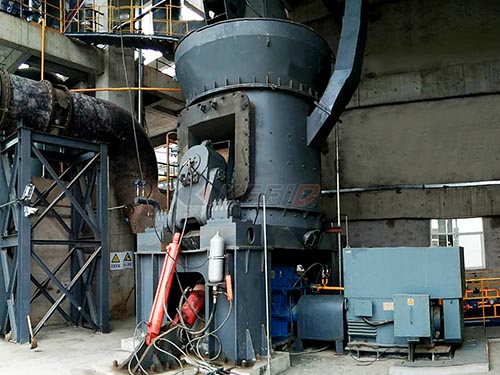
- Spare Parts & Reverse Logistics: A robust after-sales service requires efficient logistics for spare parts—from wear parts like crusher liners to replacement motors bearings Establishing regional warehousing for critical spares ensures minimal downtime for customers Furthermore OEMs must manage reverse logistics for warranty claims returned defective items or old components sent back for refurbishment
- Site Coordination & Commissioning Support: The OEM’s logistical role extends to managing people tools Documentation—operation manuals wiring diagrams foundation drawings—must be delivered digitally physically ahead time Furthermore specialist engineers supervisors required for site supervision erection commissioning need their travel accommodation local transport coordinated effectively Their tools including specialized calibration equipment also need timely arrival site
Conclusion
The slag crusher plant while symbolizing industrial strength recycling capability its journey from blueprint operational reality testament precision complexity modern OEM factory logistics It seamless integration inbound material flow internal assembly processes orchestrated outbound delivery mammoth structures This discipline invisible final product what enables industry meet demanding schedules stringent budgets increasingly globalized market From manager coordinating shipment manganese steel from Europe foreman directing 100-ton crane shop floor technician packing control panel ultimate success project hinges meticulous execution every logistical link chain Therefore understanding appreciating depth scope slag crusher plant OEM logistics not merely academic exercise essential recognizing true engine that drives circular economy forward turning industrial waste into valuable resource
