Slag Crusher Plant Minimum Order: A Comprehensive Guide for Industrial Buyers
In the world of industrial machinery procurement, understanding the nuances of supplier policies is crucial for effective budgeting and project planning. One such critical aspect, especially for medium to small-scale projects or new market entrants, is the Minimum Order Quantity (MOQ) for a Slag Crusher Plant. This requirement represents the lowest quantity or value a supplier is willing to produce and sell in a single transaction. Navigating this concept requires a detailed examination of its determinants, implications, and strategies for negotiation.
Understanding the Slag Crusher Plant
Before delving into MOQs, it’s essential to understand the product itself. A slag crusher plant is not a single machine but a complete processing system designed to crush, screen, and sometimes separate metallic content from slag—a by-product of metal smelting and refining processes (e.g., steel, copper). These plants are pivotal in converting industrial waste into valuable secondary raw materials like aggregate for construction or recycled metal.
A typical plant includes:
- Primary Crusher: (e.g., Jaw Crusher) for initial size reduction.
- Secondary Crusher: (e.g., Cone Crusher or Impact Crusher) for further crushing.
- Vibrating Screens: For sorting crushed material into different sizes.
- Feeders & Conveyors: For material handling.
- Magnetic Separators: For extracting ferrous metal.
- Control Panel & Electricals: For plant operation.
The complexity, capacity (e.g., 50 TPH, 100 TPH), level of automation, and customization directly influence its cost and, consequently, MOQ policies.
Factors Determining the Minimum Order Value/Quantity
The MOQ for a slag crusher plant is rarely about “quantity” in the traditional sense (like ordering multiple identical units), as each plant is often customized. Instead, it translates to a Minimum Order Value (MOV) or a baseline project scope. Key determinants include:
-
Manufacturer Scale and Business Model:
- Large-Scale OEMs (Original Equipment Manufacturers): Established global or national brands often have high MOVs, potentially starting from $500,000 to over $1 million. Their focus is on large turnkey projects with significant profit margins to justify engineering resources and production line scheduling.
- Mid-Sized Specialized Manufacturers: These companies may offer more flexibility, with MOVs possibly ranging from $200,000 to $500,000. They often balance standard designs with customization.
- Small Workshops/Assemblers: They might accept lower-value orders ($50,000 – $150,000) but typically provide simpler plants, use more generic components, and may lack comprehensive engineering support or warranties.
-
Level of Customization vs. Standardization: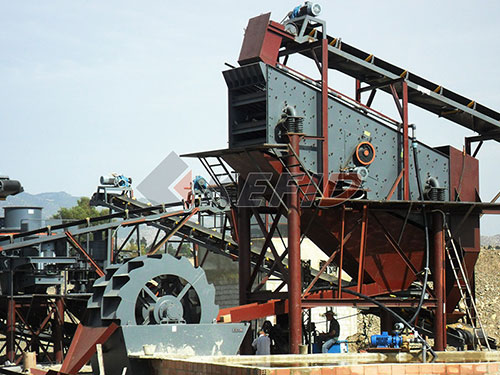
- A fully customized plant designed for specific slag characteristics (abrasiveness, moisture content) and output requirements demands extensive engineering man-hours. The MOV will be high to cover these non-recurring engineering costs.
- Manufacturers offering modular or semi-standard designs have lower MOVs because they utilize pre-engineered modules, reducing design time and cost.
-
Supply Chain and Production Economics: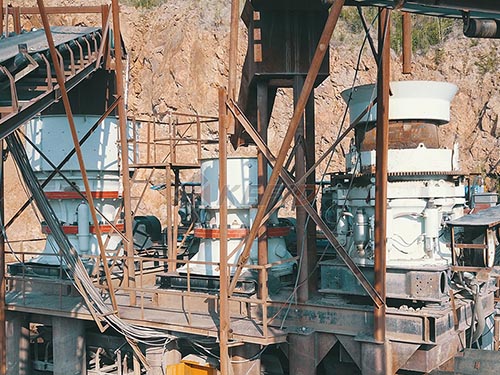
- Sourcing key components (crusher bearings motors gearboxes) from reputable suppliers often comes with its own MOQs Setting up the production line welding fabrication assembly painting and testing incurs fixed costs The MOV ensures these costs are covered profitably
-
Market Dynamics and Location:
- In highly competitive markets like China India or certain European regions manufacturers might offer lower MOVs to attract clients
- Proximity to the buyer affects logistics costs Domestic suppliers might have lower effective MOVs compared to international ones who factor in shipping insurance and commissioning travel
-
Scope of Supply:
- The MOV varies drastically based on what is included
- Bare Bones Supply: Only machinery steel structure no electricals installation or commissioning Lowest potential MOV
- Standard Supply: All machinery electrical control panel basic drawings
- Turnkey Project: Includes civil engineering guidance installation commissioning training spare parts package This commands the highest MOV
Typical MOQ/MOV Scenarios and Implications
- Scenario A – High MOV ($750 000+): Buyer gets a fully engineered custom turnkey plant from a reputed OEM with performance guarantees comprehensive after sales service and high resale value Ideal for large steel plants with continuous high volume slag generation
- Scenario B – Medium MOV ($250 000 $600 000): Buyer likely receives a robust plant based on proven modular designs with some level of customization Good option for expanding facilities or regional recycling centers
- Scenario C – Low MOV (<$200 000): This usually involves smaller capacity plants less automation possibly sourcing of crushers from one vendor and assembling with other generic components Technical support warranties may be limited Suitable for pilot projects small scale processors or in developing markets
Implication for Buyers: A lower MOV might seem attractive initially but can hide risks related to quality durability after sales service and total cost of ownership over the plant s lifecycle Conversely a high MOV ensures professional execution but may be prohibitive for smaller businesses
Strategic Approaches to Navigate Minimum Order Requirements
- Phased Procurement: Negotiate with suppliers to deliver the plant in phases Phase 1 could be primary crushing and magnetic separation Phase 2 adds secondary crushing screening This breaks down the total investment aligning with cash flow while meeting the supplier s per phase MOV
- Opt for Modular Designs: Choose manufacturers whose business model is based on scalable modular plants These systems inherently have more flexible entry points
- Consider Used Refurbished Plants: Reputable dealers of quality used equipment often have no MOQ providing access to higher end machinery at lower capital outlay though with potential trade offs on warranty efficiency
- Consortium Buying/Group Orders: If multiple small scale recyclers in a region have similar needs forming a buying consortium can aggregate demand to meet a higher MOQ/MOV benefiting from bulk pricing
- Clarify “Scope Creep”: Define exactly what is included in the quoted MOV Ensure detailed quotations list every component motor cable drawing manual etc Avoid surprises that later appear as “extra costs”
- Emphasize Long Term Relationship: Present your business as a partner for future expansions spare parts purchases maintenance contracts This can incentivize suppliers to be flexible on initial order terms
- Explore Local Assembly Partners Some international manufacturers partner with local firms for final assembly reducing logistics costs potentially lowering effective minimum project size
Critical Questions to Ask Suppliers Regarding MOQ
When receiving an MOQ/MOV quote ask:
“Does this minimum value cover a fully functional erected plant including all mechanical electrical controls basic foundation drawings?”
“What are the exact specifications covered under this MOQ? Can I see a detailed Bill of Materials?”
“If my required configuration falls below your standard MOQ do you offer any scaled down semi standard models?”
“What would be excluded if we strictly adhere to this minimum value?”
Conclusion: Balancing Cost Commitment Quality
The concept of Minimum Order Quantity/Value for slag crusher plants underscores fundamental industrial economics It reflects manufacturer cost structures market positioning product complexity Ultimately there is no universal figure it s spectrum defined by trade offs between price flexibility quality assurance technical support The informed buyer must conduct thorough due diligence looking beyond just price tag evaluate total lifecycle cost operational reliability supplier reputation technical capability By understanding factors driving MOQs employing strategic negotiation tactics buyers can effectively align their project requirements financial constraints available options securing not just equipment viable productive investment that contributes sustainably their core operations Whether large integrated steel mill startup recycling venture careful navigation this crucial procurement parameter forms bedrock successful project implementation
