
The global steel and metal production industry generates vast quantities of slag as a by-product. Once considered mere waste, this material is now recognized as a valuable resource for construction, road building, cement production, and agricultural applications. This shift has fueled demand for efficient slag processing, placing Slag Crusher Plants at the heart of modern material recovery operations. For importers in this sector, moving beyond standard catalog purchases to embrace customization is not a luxury but a critical strategic imperative. The success of an investment hinges on tailoring the plant to the specific nature of the feedstock, desired output, site conditions, and long-term operational goals.
A one-size-fits-all approach is fundamentally inadequate for slag processing. Slag itself is not a uniform material; its characteristics vary dramatically based on the source:
Furthermore, site-specific constraints such as available footprint, power supply limitations, climate (dust control in arid regions vs. corrosion protection in coastal areas), and environmental regulations necessitate tailored solutions. An importer who fails to address these variables risks underperformance, excessive wear costs, unsafe operation, and ultimately, negative return on investment.
A sophisticated importer engages with OEMs (Original Equipment Manufacturers) as engineering partners to customize across several dimensions:
1. Feed Analysis & Circuit Design:
This is the foundational step. Reputable manufacturers will request detailed samples for laboratory analysis. Based on results, they engineer the crushing stages:
2. Metallic Recovery System Integration:
A primary economic driver for many slag processors is recovering entrapped metal. A customized plant integrates:
3. Plant Configuration & Mobility:
4. Wear Part & Material Selection:
This directly impacts operational expenditure (OPEX). Customization involves specifying: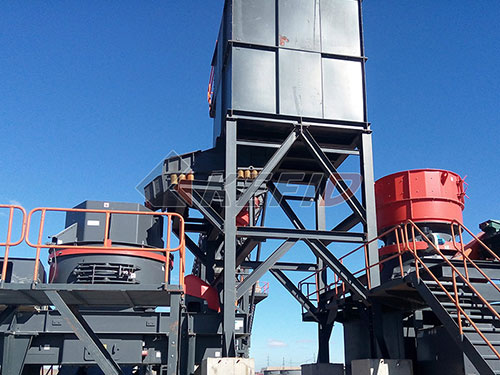
5.Dust Suppression & Environmental Control:
Environmental compliance non-negotiable importers must customize systems local regulations:
6.Automation Control Systems:
Modern plants are defined by their brain not just their brawn customization here includes:
Successful customization requires proactive informed importer who can clearly articulate requirements:
1.Conduct Thorough Site & Market Analysis: Define exact feed characteristics available space local market needs end products regulatory landscape before contacting suppliers
2.Develop Detailed Technical Specifications: Create document outlining required capacity input size output fractions metal recovery rate power constraints environmental standards
3.Evaluate OEM Engineering Capability: Prioritize manufacturers with proven experience designing custom slag plants not just selling standard machinery Look test facilities R&D departments portfolio reference projects similar applications
4.Focus on Lifecycle Cost Not Just Initial Price: A cheaper standardized plant often leads higher operating costs due increased wear lower efficiency poor reliability True value measured total cost ownership over 10-15 years which customized durable efficient plant delivers
5.Plan for After-Sales Support: Ensure customization includes accessible spare parts specialized service training local technicians Complex custom equipment requires equally tailored support agreement
Customization presents challenges must be managed:
For importers of Slag Crusher Plants embracing customization represents strategic shift from being mere equipment purchasers becoming project developers value creators By investing time resources into tailoring plant specific operational context importers unlock significant competitive advantages These include maximized resource recovery highest quality aggregate products lowest cost per ton processed extended equipment life full regulatory compliance Ultimately customized slag processing plant becomes cornerstone profitable sustainable business transforming industrial by-product into valuable commodity driving circular economy Importers who master this detailed collaborative process with technology partners will not only see superior returns their investment but also establish themselves leaders evolving global market sustainable construction materials
Lorem ipsum dolor sit amet, consectetur adipisicing elit. Consectetur sequi saepe ut sunt eveniet perferendis excepturi, iste obcaecati. Qui tempore hic sed quia soluta obcaecati vel.