Title: Comprehensive Analysis of Slag Crusher Plant Importer Cost: Factors, Market Dynamics, and Financial Considerations
Introduction
The global steel and metallurgical industries generate substantial quantities of slag as a byproduct during the smelting of iron and steel. Slag, once considered waste, has evolved into a valuable secondary raw material used in cement production, road construction, agriculture, and even as a fertilizer. To process this material into usable aggregates, slag crusher plants are essential. For importers—whether they are construction firms, waste management companies, or industrial processors—understanding the cost structure of importing a slag crusher plant is critical for budgeting, feasibility analysis, and long-term profitability. This article provides a detailed, professional, and objective examination of the costs associated with importing a slag crusher plant, covering equipment types, price ranges, logistics, duties, installation, and operational expenses.
1. Overview of Slag Crusher Plants
A slag crusher plant is a comprehensive system designed to crush, screen, and separate slag into various sizes. It typically includes primary jaw crushers, secondary cone or impact crushers, vibrating screens, magnetic separators (for recovering metallic iron), belt conveyors, and control panels. The complexity of the plant depends on the intended output: some importers require a simple crushing line, while others need a fully integrated system with dust suppression, water recycling, and automated controls.
2. Key Factors Influencing Importer Cost
The total cost for an importer to acquire and deploy a slag crusher plant is not limited to the purchase price. It encompasses several layers:
2.1 Equipment Type and Capacity
- Small-scale plants (10–50 tons per hour): Suitable for small foundries or construction waste processors. Price range: $50,000 – $150,000.
- Medium-scale plants (50–150 tph): Common for regional slag processing centers. Price range: $150,000 – $500,000.
- Large-scale plants (150–500+ tph): Used by major steel mills or large recycling facilities. Price range: $500,000 – $2,000,000+.
The cost per ton of capacity decreases with larger plants, but the absolute investment increases significantly.
2.2 Manufacturer Origin and Brand
- Chinese manufacturers (e.g., SBM, Zenith, Liming Heavy Industry) offer competitive pricing due to lower labor and material costs. A medium plant from China may cost $200,000–$400,000.
- Indian manufacturers (e.g., Laxmi En-Fab, R.R. Equipment) provide robust machines at moderate prices, often $250,000–$500,000.
- European or American brands (e.g., Metso, Sandvik, Terex) command premium prices due to higher quality, advanced automation, and longer lifespan. Prices can exceed $1,000,000 for comparable capacity.
2.3 Customization and Additional Equipment
- Magnetic separators, dust collectors, water treatment systems, and mobile chassis add 10–30% to base cost.
- Automation (PLC control, remote monitoring) can increase cost by 15–25%.
3. Logistics and Shipping Costs
Importers must account for international freight, insurance, and inland transportation.
3.1 Freight Charges
- Sea freight from major exporting countries (China, India, Turkey) to destinations like Africa, Middle East, South America, or Southeast Asia typically ranges from $5,000 to $30,000 per 40-foot container. A medium plant may require 2–5 containers.
- Air freight is rarely used due to weight and size, but urgent spare parts may be shipped by air at $5–$10 per kg.
3.2 Port Handling and Customs Clearance
- Port charges (unloading, storage, handling) vary by country. For example, in Mombasa (Kenya) or Lagos (Nigeria), port fees can be $2,000–$5,000.
- Customs brokerage fees: $500–$2,000 per shipment.
3.3 Inland Transportation
- From port to site: Heavy haulage costs depend on distance and road conditions. A 100–200 km transport may cost $2,000–$8,000.
4. Import Duties and Taxes
These are often the most variable and significant cost components.
4.1 Customs Duty
- Many developing countries impose 5–20% duty on machinery. Some offer duty exemptions for recycling or environmental equipment. For instance, India charges 7.5% on slag crushers under HS code 8474, while Nigeria may charge 10–15%.
4.2 Value Added Tax (VAT) or Sales Tax
- VAT rates range from 5% (e.g., UAE) to 20% (e.g., European countries). In some jurisdictions, importers can reclaim VAT if registered.
4.3 Other Levies
- Environmental taxes, port development fees, and anti-dumping duties (rare for slag crushers) may apply.
5. Installation and Commissioning Costs
5.1 Civil Works and Foundation
- Concrete foundations, anchor bolts, and electrical conduits: $10,000–$50,000 depending on soil conditions and plant size.
5.2 Erection and Assembly
- Hiring local engineers or factory technicians: $5,000–$20,000 for a 2–4 week installation period.
5.3 Electrical and Control System Integration
- Wiring, transformers, switchgear, and PLC programming: $10,000–$40,000.
5.4 Training and Handover
- Operator training (on-site or at factory): $2,000–$10,000.
6. Operational and Maintenance Costs (Post-Import)
Importers must budget for ongoing expenses to ensure ROI.
6.1 Power Consumption
- A 100 tph plant may consume 200–400 kW. At $0.10/kWh, monthly electricity cost could be $15,000–$30,000.
6.2 Wear Parts
- Jaw plates, cone liners, hammers, and screens need replacement every 3–6 months. Annual cost: $20,000–$80,000.
6.3 Labor
- Skilled operators, maintenance staff, and supervisors: $30,000–$100,000 annually depending on location.
6.4 Spare Parts Inventory
- Keeping critical spares (bearings, belts, motors) adds 5–10% of equipment cost per year.
7. Financing and Currency Considerations
7.1 Payment Terms
- Most manufacturers require 30% advance payment, 70% before shipment. Letters of credit (L/C) add bank charges of 0.5–2%.
7.2 Currency Fluctuation
- Importers paying in USD, EUR, or CNY face exchange rate risks. A 5% depreciation of local currency can increase total cost by 5–10%.
7.3 Loan Interest
- If financing through banks, annual interest rates in emerging markets range from 8% to 20%.
8. Regional Cost Variations: Case Studies
8.1 Importer in East Africa (e.g., Kenya)
- Equipment (China, 100 tph): $300,000
- Freight & insurance: $15,000
- Duty (10%) + VAT (16%): $78,000
- Installation & civil works: $30,000
- Total initial cost: ~$423,000
8.2 Importer in Middle East (e.g., UAE)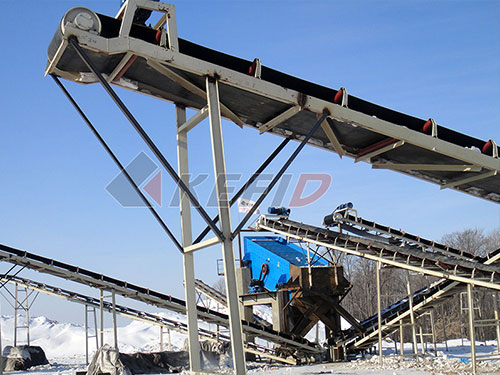
- Equipment (European, 150 tph): $700,000
- Freight: $10,000
- Duty (5%) + VAT (5%): $70,000
- Installation: $40,000
- Total: ~$820,000
8.3 Importer in South America (e.g., Brazil)
- Equipment (Indian, 80 tph): $250,000
- Freight: $20,000
- Duty (14%) + taxes (18%): $80,000
- Installation: $25,000
- Total: ~$375,000
9. Hidden Costs and Risk Mitigation
9.1 Pre-Shipment Inspection
- Third-party inspection (SGS, Bureau Veritas): $2,000–$5,000 to avoid receiving substandard equipment.
9.2 Warranty and After-Sales Support
- Some Chinese manufacturers offer limited warranty; European brands may include 2-year parts and labor. Importers should budget for potential repair costs if local service is unavailable.
9.3 Compliance with Local Standards
- Electrical certifications (CE, UL, IEC), noise regulations, and safety guards may require modifications costing $5,000–$20,000.
10. Strategies to Optimize Importer Cost
- Bulk purchasing: Order multiple plants or combine with other machinery to negotiate discounts.
- Used equipment: Second-hand slag crusher plants can be 40–60% cheaper, but require thorough inspection.
- Local assembly: Importing key components and assembling locally reduces duty and freight.
- Government incentives: Some countries offer tax holidays or subsidies for recycling equipment.
- Negotiate Incoterms: Prefer FOB (Free on Board) to control shipping costs, or CIF (Cost, Insurance, Freight) for simplicity.
11. Conclusion
The cost for an importer to acquire a slag crusher plant is a multifaceted figure that extends far beyond the machine’s sticker price. It includes equipment selection, international logistics, import duties, installation, and long-term operational expenses. Depending on the scale, origin, and destination, total initial investment can range from $200,000 to over $1,500,000. Importers must conduct a thorough total cost of ownership (TCO) analysis, considering not only upfront costs but also maintenance, energy, and regulatory compliance. By understanding these variables and leveraging strategic sourcing, financing, and logistics planning, importers can make informed decisions that maximize the economic value of slag processing while minimizing financial risk. As global demand for sustainable construction materials grows, the slag crusher plant remains a vital investment—but only when its true cost is fully understood and managed.
