
In the global industrial and construction sectors, the efficient processing of slag—a byproduct of metal smelting and steel production—is crucial for economic viability and environmental sustainability. At the heart of this process lies the Slag Crusher Plant. For businesses ranging from steel mills and mining operations to large-scale construction firms and recycling facilities, purchasing these plants directly from a factory at wholesale prices represents a significant capital investment decision. This article provides a detailed, professional analysis of slag crusher plants, focusing on the factors influencing wholesale pricing, key technical considerations, and strategic insights for procurement.
A slag crusher plant is not a single machine but a complete processing system designed to reduce large chunks of slag into uniformly sized granules or powder. The primary goal is to recover valuable metallic content (like iron) and transform the remaining non-metallic slag into useful aggregates for applications in cement production, road construction, railway ballast, and soil conditioning.
A standard plant typically includes:
The wholesale price quoted by a factory is not arbitrary. It is a composite reflection of engineering design, material costs, manufacturing overhead, and market dynamics. Key determinants include:
1. Capacity and Throughput:
This is the most significant cost driver. Plants are rated by tons per hour (TPH). A compact 20-50 TPH mobile plant for on-site processing will cost substantially less than a stationary 300-500 TPH turnkey project designed for a major steel plant’s continuous output.
2. Technology and Component Quality:
3. Plant Configuration:
4. Customization Requirements:
Off-the-shelf models are cheaper. Customizations—such as specific dust suppression systems (critical for environmental compliance), special wear liners for highly abrasive slag, or integration with existing material handling systems—increase engineering hours and manufacturing costs.
5. Material of Construction:
The abrasiveness of slag demands high-wear-resistant materials in critical areas like crusher jaws, liners, and chutes. The use of AR (Abrasion Resistant) steel plates vs. standard mild steel significantly impacts durability and price.
6. Market Forces & Factory Location:
Providing an exact price is impossible without specifications; however indicative ranges can be outlined:
Advantages of Buying Wholesale Directly from Factories:
For an industrial buyer considering such an investment due diligence is paramount: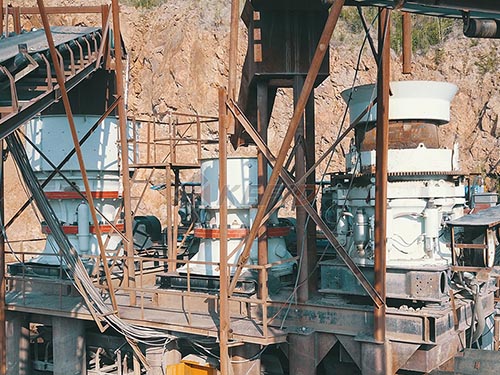
2.Supplier Qualification:
3.Total Cost Analysis(Lifecycle Cost): Look beyond initial purchase price.Calculate:
4.Request Detailed Quotations(DQ): Ensure quotesbreak down every componentwith model numbers,brand options,material grades,and optional extras.Demandclarityon what’s included(e.g.,electrical wiring,foundation drawings,tools).
5.Negotiate Comprehensively:
6.Performance Guarantees & Testing Insiston contractual performance guaranteesfor throughputproduct gradationpower consumptionand noise/dust emissions.ConductFactory Acceptance Tests(FAT)before shipmentwhere critical functionsare verifiedunder load simulationif possible.
Investingin a slagcrushe rplantat wholesale factorypriceis astra tegicdecisionthatimpactsoperationalefficiencyfor decadesto come.Thelowestbid isoftennotthemosteconomicalchoice whentotallifecyclecostsareconsidered.Ahigh-qualityplantfromareputablefactory–thoughperhaps withahigherinitialoutlay–deliverssuperiorreliabilityhighermetalyieldlowerdowntimeandlongerservicelifeultimatelyensuringamuchhigherreturnoninvestment.Buyersmustapproachthisprocessaspartnershipprojectwiththemanufacturerfocusingon sharedgoalsofmaximizingslagvalorizationwhileminimizingprocessingcostpertonthroughrobustengineeringandintelligentdesign.Thiscomprehensiveapproachtransformsslagfromawastedisposalchallengeintoaprofitablebyproductstreamsolidifyingbothenvironmentalcredentialsandthebottomline
Lorem ipsum dolor sit amet, consectetur adipisicing elit. Consectetur sequi saepe ut sunt eveniet perferendis excepturi, iste obcaecati. Qui tempore hic sed quia soluta obcaecati vel.