
Introduction
In the modern industrial landscape, sustainability and resource efficiency are paramount. The processing of slag, a by-product of metal smelting and steel production, has evolved from a mere waste management concern into a critical component of the circular economy. Slag crusher plants are at the heart of this transformation, converting this industrial residue into valuable aggregates for construction, road building, and cement manufacturing. Consequently, the inspection of a company operating such a plant is a rigorous process that evaluates not only operational efficiency but also compliance, safety, and environmental stewardship. A thorough inspection provides stakeholders—be they potential investors, clients, regulatory bodies, or partners—with a definitive assessment of the company’s capabilities and reliability.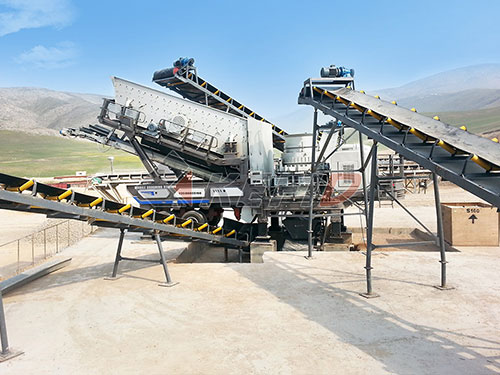
This article provides a detailed framework for conducting a professional and objective inspection of a slag crusher plant company. The evaluation is segmented into several key areas: Plant and Machinery, Operational Procedures, Safety and Health Standards, Environmental Compliance, Quality Management, and Commercial & Administrative Governance.
1. Plant and Machinery: The Core of Operations
The physical infrastructure and equipment form the backbone of any crushing operation. An inspector must conduct a meticulous examination of all assets.
Equipment Inventory and Condition: The inspection begins with verifying the complete equipment list. A typical slag crusher plant includes:
Assessment Criteria:
2. Operational Procedures and Efficiency
The most advanced machinery is ineffective without robust operational protocols.
Process Flow Analysis: The inspector should trace the material’s journey from raw slag input to final product stockpiling. Key questions include:
Capacity Utilization vs. Rated Capacity: Determine the plant’s designed capacity (tons per hour) and compare it with actual production logs over recent months. Consistently operating far below capacity may indicate market or operational issues; consistently exceeding it may signal over-stressing equipment.
Power Consumption Monitoring: Evaluate if the company tracks energy consumption per ton of processed material. This is a key performance indicator (KPI) for operational efficiency and cost control.
3. Health, Safety, and Environment (HSE): A Non-Negotiable Triad
This is arguably the most critical area of inspection due to its direct impact on human welfare legal liability.
Safety Management System:
Environmental Compliance:
4. Quality Management Product Integrity
The value slag aggregates determined their consistency adherence industry standards.
Quality Control Laboratory: Does company have an on-site lab? If so inspect its equipment sieve shakers weighing scales etc.) procedures.
Testing Frequency Protocols: Review records how often products tested parameters measured typically particle size distribution density Los Angeles Abrasion Value chemical composition).
Certification Standards: Check if final products certified against relevant national international standards e.g., ASTM BS EN This adds significant value marketability products.
Stockpile Management: Inspect how different product sizes are stored prevent cross-contamination segregation clearly labeled well-organized stockpiles indicate good quality control.
5 Commercial Administrative Governance
The operational excellence must be supported by sound business practices.
Legal Statutory Compliance: Verify company’s business registration tax compliance land lease ownership documents necessary operating licenses beyond environmental permits.
Supply Chain Reliability: Assess security long-term contracts suppliers raw slag e.g., from nearby steel plants). A disruption feedstock can halt entire operation.
Market Sales Track Record: Analyze sales data customer portfolio ability command premium prices for certified quality products reputation market key asset
*Financial Health Request review basic financial statements assess profitability sustainability operation
Conclusion The Holistic Assessment
An inspection slag crusher plant company cannot be reduced simple checklist It holistic evaluation that interconnects mechanical integrity procedural rigor human safety environmental responsibility product quality commercial acumen
A company excels across these domains demonstrates not just technical capability but also strategic vision commitment sustainable responsible industrial practice Such company positioned not only survive but thrive increasingly competitive regulated market where value derived not just from what produced but from how it produced The final inspection report should provide clear scoring or grading each area highlighting strengths identifying deficiencies with actionable recommendations ultimately painting comprehensive objective picture organizational health long-term viability
Lorem ipsum dolor sit amet, consectetur adipisicing elit. Consectetur sequi saepe ut sunt eveniet perferendis excepturi, iste obcaecati. Qui tempore hic sed quia soluta obcaecati vel.