
The slag crusher plant is an indispensable piece of industrial equipment in the metallurgical and construction sectors, designed to process slag—a byproduct of metal smelting and refining. An assembly plant factory dedicated to manufacturing these systems represents a complex nexus of engineering, supply chain management, and strategic pricing. This detailed article explores the intricacies of slag crusher plant assembly, the critical factors in factory setup and operation, and the multifaceted components that determine its factory price.
Slag, primarily composed of silicates, alumina, and various metal oxides, is generated in blast furnaces (iron ore) and smelting processes (copper, lead, zinc). Historically treated as waste, modern practices recognize its value as a raw material for cement production (granulated blast furnace slag), road base aggregates, railway ballast, and even insulation wool. However, raw slag is irregular in size and often contains metallic remnants (“tramp metal”). A slag crusher plant is engineered to reduce this material to consistent, usable sizes while separating recoverable metal.
A typical plant includes several key stages:
Establishing a factory for assembling these plants is a significant capital project requiring meticulous planning.
A. Facility Design & Layout:
The factory must facilitate a logical flow from raw component receipt to final assembly and dispatch. Key zones include:
B. Technology & Workforce:
The factory must balance skilled craftsmanship with modern technology. While core fabrication relies on experienced welders and fitters, integration of automation in control systems (PLCs) and design software (3D CAD/CAM) is standard. Quality assurance teams are vital for non-destructive testing (ultrasonic weld testing) dimensional checks.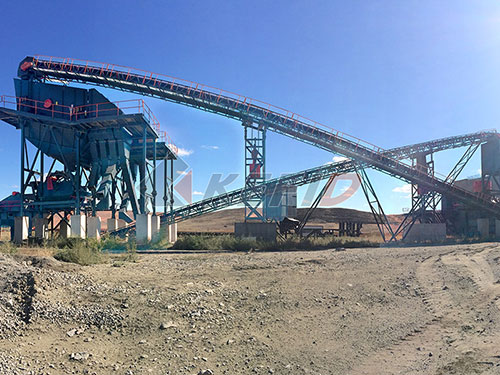
C. Supply Chain Management:
A reliable assembly plant depends on a robust network of sub-suppliers for specialized components: crusher mechanisms from foundries high-grade steel manufacturers motors gearboxes bearings electrical components This chain’s resilience directly impacts production timelines cost stability.
The term “factory price” for a slag crusher plant is not a single figure but a variable outcome of numerous interdependent factors It typically refers to the ex-works cost before shipping installation duties.
A. Core Cost Drivers:
Plant Capacity & Configuration:
Quality Component Selection:
Engineering Design Costs:
Custom-designed plants tailored to specific slag characteristics feed size required output products involve substantial engineering hours Standardized modular designs offer cost savings.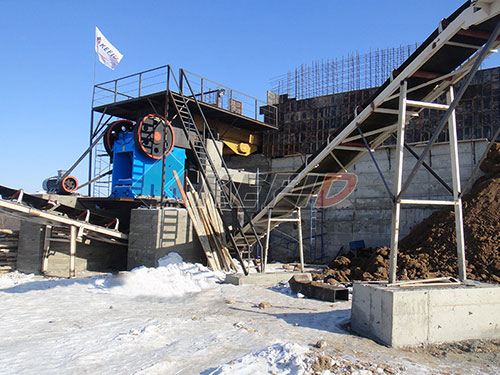
Factory Overheads & Labor:
The geographical location of the assembly plant influences labor rates energy costs regulatory compliance expenses factory maintenance overheads These are baked into the final price.
Scale of Procurement Order Volume:
Manufacturers producing multiple units can leverage economies of scale purchasing materials in bulk optimizing production lines thereby reducing per-unit cost Single custom orders are inherently more expensive.
Market Dynamics:
Fluctuations in global steel prices copper prices freight costs directly impact input costs Competitive landscape also plays a role pricing must balance profitability market positioning.
B. Typical Price Range Considerations:
Providing exact figures is impractical due to customization but indicative ranges can be understood:
These ranges highlight that “price” must always be evaluated alongside “specification” “expected operational life” “maintenance costs”.
Astute buyers look beyond the initial factory price evaluating total lifecycle value:
The assembly of a slag crusher plant within dedicated factory setting sophisticated endeavor blending mechanical electrical civil engineering The resulting factory price complex synthesis chosen capacity technological level component quality underlying operational efficiencies manufacturing base
Investors operators should engage deeply with manufacturers moving beyond simplistic price comparison towards collaborative specification process understanding trade-offs between capital expenditure operational expenditure Ultimately optimal slag crusher plant represents tailored solution where design assembly quality converge maximize return transforming industrial byproduct into valuable resource driving circular economy within heavy industry
Lorem ipsum dolor sit amet, consectetur adipisicing elit. Consectetur sequi saepe ut sunt eveniet perferendis excepturi, iste obcaecati. Qui tempore hic sed quia soluta obcaecati vel.