
In the vast, interconnected machinery of global industry, from the towering blast furnaces of integrated steel plants to the smelters of non-ferrous metal production, a significant by-product is generated: slag. This stony, often glass-like material is a complex mixture of silicates, oxides, and other compounds that are separated from the desired metals during high-temperature smelting and refining processes. For centuries, slag was considered a waste product, often relegated to landfills, occupying valuable space and posing potential environmental concerns. However, the paradigm has shifted dramatically. Today, slag is recognized as a valuable secondary raw material, and at the heart of this transformation lies a critical piece of equipment: the Slag Crusher.
A slag crusher is not a single machine but rather a system—a robust, engineered solution designed to reduce large, irregularly sized chunks of slag into uniform, specified aggregate sizes. The primary objective is to liberate and recover any entrapped metal within the slag matrix and to process the remaining mineral fraction into a usable product for various applications in construction and other industries. The efficiency and capability of a slag crusher system directly impact the economic viability and environmental sustainability of modern metal production.
To appreciate the engineering behind a slag crusher, one must first understand the material it processes. Slag is inherently abrasive, hard, and often unpredictable. Its properties vary significantly based on the source:
The key challenges in crushing slag are its:
A comprehensive slag processing plant is more than just a crusher; it is a coordinated circuit designed for maximum efficiency, metal recovery, and product control. A typical system includes several stages:
1. Feeding and Pre-Screening:
The process begins with a vibrating feeder or an apron feeder that regulates the flow of raw slag from a stockpile or directly from the casting pit towards the primary crusher. A pre-screening station (e.g., a grizzly screen) may be employed to remove fine material (“minus”) that does not require primary crushing, thereby increasing overall system throughput.
2. Primary Crushing:
This is the first reduction stage where large slag lumps (often up to 1-2 meters in size) are broken down to manageable dimensions of approximately 100-250 mm. Given the immense forces involved and the potential for uncrushable tramp metal:
A critical feature in modern primary crushers for slag is hydraulic adjustment and overload protection. If an uncrushable object enters the chamber, hydraulic cylinders allow the crushing members to open automatically, releasing the object before resetting—a vital feature for preventing downtime and damage.
3. Metal Separation:
After primary crushing, the material undergoes its most crucial step: metal recovery. This typically involves powerful overhead suspension magnets (magnetic drums or cross-belt magnets) that efficiently extract ferrous scrap metal from the crushed slag stream. This recovered metal is clean enough to be sent back to the furnace as a high-quality feedstock—a direct economic benefit that often justifies much of this recycling operation’s cost.
4. Secondary and Tertiary Crushing:
The now metal-depleted mineral aggregate proceeds for further size reduction to produce specific end products.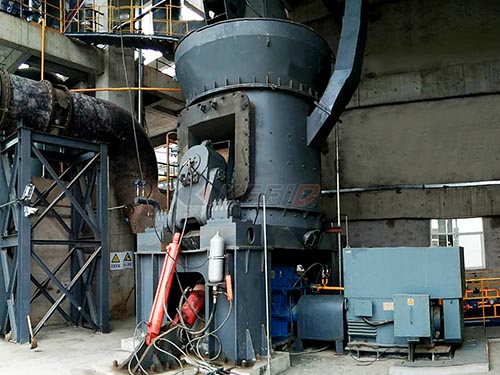
5. Screening and Material Handling:
Following each crushing stage, vibrating screens classify the material into various size fractions (e.g., 0-5mm, 5-10mm). Oversized material is recirculated back to the appropriate crusher in closed-circuit operations—a fundamental principle for achieving precise product sizing control.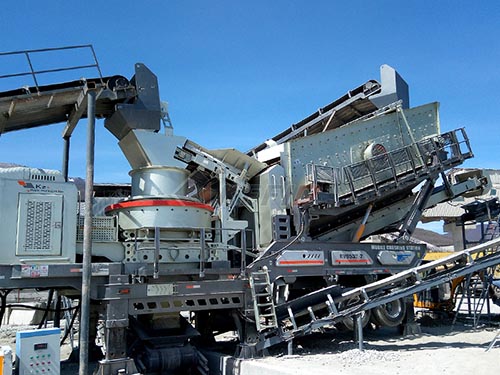
The harsh environment dictates that every component must be over-engineered for durability:
Once processed crushed slag ceases waste becomes versatile commodity:
The modern industrial landscape demands circular economy principles where waste minimized resources maximized Within this framework role Slag Crusher cannot overstated It sophisticated engineered system transforms problematic industrial by-product into valuable economic assets recovered metal premium construction aggregates By doing so addresses dual challenge resource conservation environmental protection Through continuous innovation design materials technology continues enhance efficiency reliability these machines ensuring they remain indispensable engines sustainable industrial progress
Lorem ipsum dolor sit amet, consectetur adipisicing elit. Consectetur sequi saepe ut sunt eveniet perferendis excepturi, iste obcaecati. Qui tempore hic sed quia soluta obcaecati vel.