
The Russian Federation, spanning eleven time zones and encompassing a vast and geologically diverse landscape, sits atop some of the world’s most significant mineral deposits. From the Ural Mountains’ metallic ores to the massive basalt and granite quarries of Siberia and the limestone formations essential for construction, the extraction and processing of aggregate are fundamental to the nation’s economy. At the heart of this process is the commercial rock crusher—a machine whose design, application, and market dynamics in Russia are as complex and formidable as the terrain it operates in. A commercial rock crusher in this context is not merely a piece of equipment; it is a critical node in the supply chain for construction, infrastructure, and mining, engineered to meet unique regional challenges.
The Russian commercial crushing market is characterized by a blend of domestic manufacturing prowess and strategic imports. The operational environment demands machinery that can withstand extreme conditions: arctic temperatures in the north, immense seasonal variations in central regions, and remote locations with limited infrastructure.
1. Domestic Manufacturers and Soviet Legacy:
Russia possesses a strong indigenous heavy machinery industry with roots in the Soviet era. Companies like Uralmash (YZHO) and Mechel have long histories of producing robust mining and crushing equipment. The design philosophy often prioritizes durability, serviceability, and capacity over finesse or digital integration. Crushers from these manufacturers are typically built with heavy-duty steel castings, simple but powerful kinematics, and components designed for easy maintenance by on-site personnel. Jaw crushers and gyratory crushers from these suppliers are common in large-scale mining and primary crushing applications, where their immense strength and reliability are paramount.
2. International Presence and Technology Transfer:
Global leaders in crushing technology, such as Finland’s Metso Outotec, Sweden’s Sandvik, and Germany’s Kleemann (a Wirtgen Group company), have a significant footprint in Russia. Their involvement ranges from direct sales to local assembly partnerships and comprehensive service networks. These companies introduce advanced technologies like automated setting regulation (ASRi systems), hybrid diesel-electric drives, and sophisticated wear part monitoring. For Russian commercial operators focused on high efficiency, specific product shaping (e.g., for high-quality asphalt aggregates), or reduced operational costs, these imported solutions are often preferred despite their higher capital expenditure.
3. Prevailing Crusher Types and Applications:
The choice of crusher type is dictated by the material properties (abrasiveness, hardness, stickiness) and the desired final product.
The demand for commercial rock crushers in Russia is intrinsically linked to several key economic sectors.
Operating heavy machinery commercially Russia presents distinct hurdles that shape equipment selection operation strategies
1 Climatic Extremes Arctic temperatures can plummet below -50°C which affects machinery profoundly Hydraulic fluids can thicken steel components become brittle rubber conveyor belts can lose flexibility Manufacturers both domestic foreign address this with cold-climate packages including engine block heaters insulated cabins special lubricants heated hydraulic oil tanks This operational reality favors designs with fewer complex electronics more mechanical simplicity certain contexts
2 Vast Distances Logistics Spare parts availability critical any commercial operation In remote Siberian Far Eastern locations sourcing specific wear part foreign manufacturer lead times weeks This creates strong preference two things Firstly incredibly durable long-lasting wear parts reduce frequency replacement Secondly fosters robust local service support networks either from domestic manufacturers local partners international brands Many operations also maintain extensive on-site spare part inventories mitigate downtime risks
3 Geopolitical Factors Sanctions Trade Policies Recent years have seen increased focus import substitution policy importiratstvo The industry has been encouraged source domestically where possible This has provided boost domestic manufacturers Uralmash others However high-end specialized technology certain components still often sourced abroad creating complex supply chain dynamic Sanctions can restrict access latest Western technology financing potentially slowing adoption most advanced automation digitalization solutions long term this may accelerate development Russia s own crushing technology sector
Looking ahead trends shaping future Russian commercial rock crusher market mirror global developments albeit with regional inflection point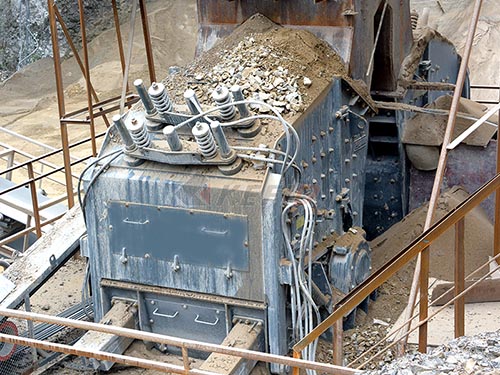
Efficiency remains paramount focus Rising energy labor costs drive demand more fuel-efficient hybrid power plants crushers designed lower cost-per-ton output Automation seen key improving safety consistency Automated control systems optimize crusher loading ensure consistent product quality reduce manual intervention hazardous environments Digitalization condition monitoring using sensors track wear performance predict maintenance needs slowly gaining ground though adoption pace may vary compared Western Europe North America due factors mentioned earlier
Sustainability increasingly important consideration Dust suppression noise control systems becoming standard expectation new equipment regulations Furthermore recycling construction demolition waste growing segment creating niche market mobile impact crushers screeners process concrete asphalt rubble into valuable secondary aggregates supporting circular economy principles within construction sector
The Russian commercial rock crusher embodies synthesis raw industrial power evolving technological sophistication It machine built continent-scale challenges—extreme weather immense distances unparalleled resource wealth Market characterized coexistence stalwart domestic manufacturers globally renowned technology providers driving forces behind demand rooted nation perpetual development its massive infrastructure mining projects As Russia continues navigate its unique economic geopolitical landscape its crushing industry will undoubtedly continue adapt prioritizing robustness reliability while gradually integrating smarter more efficient technologies ensure its vital role building maintaining economic backbone world largest country
Lorem ipsum dolor sit amet, consectetur adipisicing elit. Consectetur sequi saepe ut sunt eveniet perferendis excepturi, iste obcaecati. Qui tempore hic sed quia soluta obcaecati vel.