ROHS Compliant Stone Crusher Machine Specification: A Comprehensive Technical Overview
Introduction
In the modern era of industrial manufacturing, environmental compliance has become as critical as operational efficiency. The Restriction of Hazardous Substances (RoHS) directive, originally enacted by the European Union and now adopted or mirrored in many global markets, imposes strict limits on the use of specific hazardous materials in electrical and electronic equipment. While stone crushers are primarily mechanical systems, the integration of electric motors, control panels, sensors, and wiring makes them subject to RoHS compliance requirements in many jurisdictions. This article provides a detailed, professional, and objective specification for a RoHS-compliant stone crusher machine, covering design principles, material selection, electrical systems, mechanical components, and testing protocols. The focus is on ensuring that the machine meets both performance standards and environmental regulations.
1. Scope and Applicability
This specification applies to stationary and mobile stone crushers used in mining, quarrying, construction, and recycling industries. The machine must comply with RoHS Directive 2011/65/EU and its amendments (including RoHS 3, which added four phthalates to the original six restricted substances). The restricted substances are: Lead (Pb), Mercury (Hg), Cadmium (Cd), Hexavalent Chromium (Cr6+), Polybrominated Biphenyls (PBB), Polybrominated Diphenyl Ethers (PBDE), Bis(2-ethylhexyl) phthalate (DEHP), Butyl benzyl phthalate (BBP), Dibutyl phthalate (DBP), and Diisobutyl phthalate (DIBP). The maximum concentration values are 0.1% by weight for most substances (except cadmium at 0.01%) in homogeneous materials.
2. General Machine Specifications
The stone crusher is designed for primary, secondary, or tertiary crushing of hard rock, ore, and recycled materials. The machine shall be engineered to minimize environmental impact throughout its lifecycle—from manufacturing to operation and eventual decommissioning.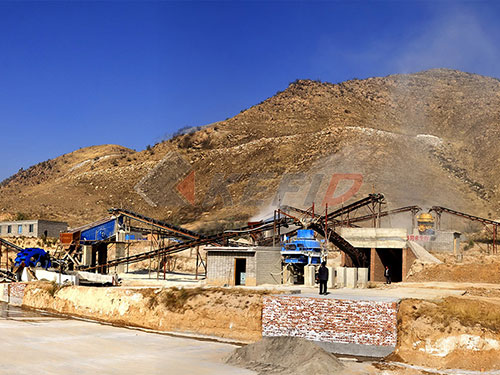
- Type: Jaw crusher, cone crusher, impact crusher, or gyratory crusher (as per application).
- Feed Opening: 600 mm x 400 mm to 1500 mm x 1200 mm (depending on model).
- Capacity: 50 to 500 tons per hour (TPH).
- Maximum Feed Size: 500 mm to 1200 mm.
- Product Size Range: 20 mm to 200 mm (adjustable).
- Motor Power: 75 kW to 400 kW (electric, RoHS-compliant).
- Weight: 10 to 120 tons (depending on configuration).
- Compliance Standards: RoHS (EU 2011/65/EU), CE marking, ISO 14001 (environmental management), and relevant safety standards (EN 1009, ISO 21873).
3. RoHS Compliance in Electrical and Electronic Components
The most critical area for RoHS compliance in a stone crusher is the electrical and electronic sub-systems. These include:
- Main Drive Motor: The electric motor must be manufactured with RoHS-compliant windings, insulation, and housing. All solder joints in the motor terminal box must be lead-free. The motor should be IE3 or IE4 efficiency class to reduce energy consumption.
- Control Panel: The PLC (Programmable Logic Controller), VFD (Variable Frequency Drive), relays, contactors, and circuit breakers must be RoHS-compliant. This means no lead in solder, no cadmium in contacts, and no phthalates in plastic enclosures.
- Wiring and Cables: All electrical cables must be free of lead-stabilized PVC and phthalate plasticizers. Halogen-free, RoHS-compliant cables (e.g., LSZH – Low Smoke Zero Halogen) are recommended.
- Sensors and Instrumentation: Temperature sensors, vibration monitors, pressure transducers, and proximity switches must use RoHS-compliant components. This includes lead-free soldering and cadmium-free photoelectric cells.
- Lighting and Indicators: LED indicators and lighting must be RoHS-compliant, with no mercury in lamps and no lead in solder.
4. Mechanical Components and Material Selection
While RoHS primarily targets electrical and electronic equipment, the mechanical parts of a stone crusher can also contribute to environmental compliance through careful material selection and surface treatment.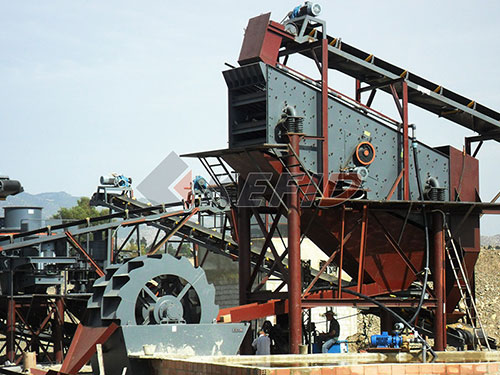
- Frame and Chassis: Fabricated from high-strength structural steel (e.g., S355JR or equivalent). No hazardous coatings or paints containing lead or hexavalent chromium are permitted. Powder coating or water-based paints should be used.
- Crushing Chambers and Liners: Made from manganese steel (e.g., 12-14% Mn) or high-chrome iron. These materials are inherently RoHS-compliant as they do not contain restricted substances. However, any welding rods or hardfacing materials used in repair must also be RoHS-compliant.
- Bearings and Seals: Bearings must be free of lead-based lubricants. Seals (e.g., rubber or polyurethane) must not contain phthalates. Grease used for lubrication must be RoHS-compliant, with no heavy metal additives.
- Hydraulic Systems: Hydraulic cylinders, hoses, and fittings must be free of restricted substances. Hydraulic oil should be biodegradable or at least free of hazardous additives.
- Fasteners and Hardware: Bolts, nuts, and washers must be free of hexavalent chromium passivation. Zinc plating or stainless steel is acceptable.
5. Design for RoHS Compliance
The design process must integrate RoHS compliance from the concept stage. Key design considerations include:
- Modularity: Electrical and electronic sub-assemblies should be easily removable for recycling or replacement. This facilitates end-of-life treatment.
- Material Declarations: All suppliers must provide full material declarations (per IPC-1752 or similar) to verify RoHS compliance. A Bill of Materials (BOM) with RoHS status for each component is required.
- Thermal Management: Avoid the use of lead-based thermal interface materials in heat sinks. Use ceramic or silicone-based alternatives.
- Solder Joints: All printed circuit boards (PCBs) in the control system must use lead-free solder (e.g., SAC305 alloy). Wave soldering and reflow processes must be RoHS-compatible.
- Plastic Components: All plastic parts (e.g., cable ties, enclosures, fan blades) must be free of DEHP, BBP, DBP, and DIBP. Polyamide (PA), polycarbonate (PC), or polypropylene (PP) are preferred.
6. Testing and Verification
To ensure RoHS compliance, the stone crusher machine must undergo rigorous testing. The following procedures are recommended:
- X-Ray Fluorescence (XRF) Screening: Portable XRF analyzers can be used to screen for lead, mercury, cadmium, and bromine (indicative of PBB/PBDE) in homogeneous materials. This is a non-destructive method suitable for incoming inspection.
- Chemical Analysis: For precise quantification, samples should be sent to an accredited laboratory for ICP-OES (Inductively Coupled Plasma Optical Emission Spectrometry) or GC-MS (Gas Chromatography-Mass Spectrometry) analysis. This is especially important for phthalates and hexavalent chromium.
- Solder Joint Inspection: Visual inspection and X-ray imaging of solder joints on PCBs to confirm lead-free solder.
- Documentation Review: Review of supplier certificates of compliance (CoC), material safety data sheets (MSDS), and full material declarations.
- Batch Testing: For high-volume production, statistical sampling per ISO 2859 should be used to test components.
7. Operational and Environmental Benefits
A RoHS-compliant stone crusher offers several advantages beyond regulatory compliance:
- Reduced Toxic Waste: At end-of-life, the machine can be dismantled and recycled without releasing lead, mercury, or other hazardous substances into the environment.
- Worker Safety: Operators and maintenance personnel are exposed to fewer toxic materials during welding, soldering, or handling of electronic components.
- Market Access: RoHS compliance is mandatory for sale in the EU, and increasingly required in China (China RoHS), Japan, South Korea, and other markets.
- Corporate Social Responsibility (CSR): Demonstrates commitment to sustainable manufacturing and responsible sourcing.
8. Maintenance and Lifecycle Considerations
To maintain RoHS compliance throughout the machine’s operational life, the following practices are essential:
- Replacement Parts: All spare parts (motors, sensors, cables, PCBs) must also be RoHS-compliant. The manufacturer should provide a list of approved replacement components.
- Lubricants and Coolants: Only RoHS-compliant lubricants and coolants should be used. Avoid products containing lead, chlorinated paraffins, or phthalates.
- Decommissioning: At end-of-life, the machine should be dismantled according to WEEE (Waste Electrical and Electronic Equipment) principles. Electrical components should be separated and sent to certified recyclers.
9. Documentation and Certification
The manufacturer must provide the following documentation with each machine:
- RoHS Declaration of Conformity: A signed document stating that the machine meets the requirements of Directive 2011/65/EU.
- Technical File: Including design drawings, BOM, supplier declarations, and test reports.
- User Manual: Containing instructions for RoHS-compliant maintenance and disposal.
- Labeling: The machine should bear a CE mark and, if applicable, a China RoHS label indicating the environmental protection use period (EFUP).
10. Conclusion
A RoHS-compliant stone crusher machine is not merely a regulatory necessity but a hallmark of modern, responsible engineering. By eliminating hazardous substances from electrical and electronic components, selecting environmentally friendly materials, and implementing rigorous testing protocols, manufacturers can deliver machines that are both high-performing and sustainable. This specification provides a comprehensive framework for designing, building, and verifying such equipment. As global environmental regulations tighten, RoHS compliance will become an even more integral part of industrial machinery, driving innovation in material science, electronics, and manufacturing processes. For end-users, investing in a RoHS-compliant stone crusher ensures long-term operational reliability, reduced environmental liability, and access to international markets. The future of crushing technology lies not only in power and efficiency but in harmony with the planet.
