
The global push for environmental sustainability and stringent regulatory frameworks has fundamentally reshaped industrial manufacturing. In the realm of heavy machinery, particularly equipment designed for recycling and material processing, compliance with environmental directives is no longer a luxury but a critical operational necessity. Among these, the Restriction of Hazardous Substances (RoHS) directive stands as a cornerstone of environmental regulation. This article provides a comprehensive exploration of RoHS Compliant Slag Crusher Plants, detailing their importance, the technical challenges in achieving compliance, and a guide to identifying and evaluating reputable suppliers in this specialized market.
To appreciate the significance of RoHS compliance in this context, one must first understand the two core elements at play.
1. What is a Slag Crusher Plant?
Slag is a by-product of metal smelting and refining processes. Found in blast furnaces (iron production) and various non-ferrous metal operations (copper, lead, zinc), slag is often considered an industrial waste. However, modern practices recognize it as a valuable secondary raw material. Processed slag finds applications in: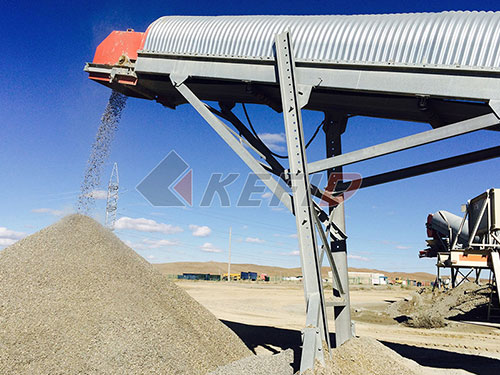
A Slag Crusher Plant is a stationary or mobile system designed to reduce large chunks of slag into smaller, uniformly sized granules. The typical process involves:
2. What is the RoHS Directive?
The Restriction of Hazardous Substances (RoHS) Directive 2011/65/EU is a European Union law that restricts the use of specific hazardous materials in electrical and electronic equipment (EEE). The primary goal is to prevent these substances from entering landfills and subsequently leaching into soil and groundwater, thereby protecting human health and the environment.
The restricted substances, with their maximum concentration values by weight in homogeneous materials, are:
At first glance, a heavy-duty crusher plant may not seem like “electronic equipment.” However, modern crushers are sophisticated electro-mechanical systems packed with electronic components. The relevance of RoHS compliance arises from several key areas:
1. The Global Supply Chain: A crusher plant manufacturer sources components globally—electric motors from one country, PLCs from another, wiring harnesses from a third. Ensuring that every purchased component complies with RoHS is essential for the final product’s compliance.
2. End-of-Life Management: When a crusher plant reaches the end of its operational life, its electronic control panels, motors with copper windings, insulated wires, and other components become electronic waste (e-waste). A RoHS-compliant plant ensures that this future e-waste does not contribute toxic heavy metals or phthalates to the environment.
3. Market Access and Corporate Responsibility: For companies operating within the EU or exporting to European customers, RoHS compliance is legally mandatory for the equipment’s electronic systems. Beyond legality, it serves as a powerful testament to a manufacturer’s commitment to environmental stewardship and sustainable practices—a significant factor in winning contracts with environmentally conscious corporations.
4. Worker Safety and Product Longevity: While RoHS focuses on environmental impact during disposal, its restrictions often align with improved worker safety during manufacturing and maintenance. Furthermore, lead-free solders used in compliant circuit boards can offer better resistance to thermal fatigue in high-vibration environments like crushing plants.
Transitioning a robust slag crusher plant to full RoHS compliance presents distinct engineering challenges:
Given these complexities, selecting a reliable supplier requires due diligence beyond simple price comparison.
Key Evaluation Criteria: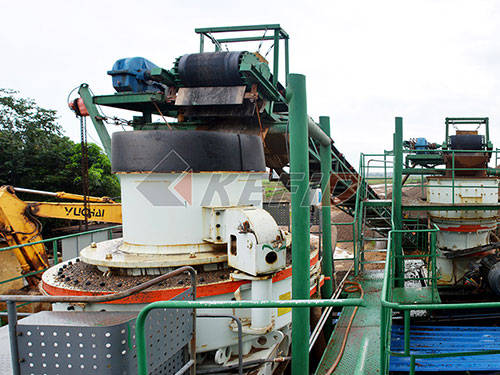
2 Technical Specifications:
3 Manufacturing Processes Quality Control:
4 Industry Experience Reputation:
5 Third-Party Certifications:
While not always mandatory certifications from internationally recognized bodies can provide an additional layer of assurance Some suppliers may have their manufacturing processes or quality management systems ISO 9001 audited specifically for environmental compliance
The market for slag crusher plants is global with key players emerging from several industrial hubs
Europe EU-Based Manufacturers):
Naturally these suppliers are at forefront of RoHs compliance as it domestic regulation They often set benchmark for documentation technical solutions Expect higher price points reflecting stringent labor environmental standards but with unparalleled ease regulatory acceptance within EU
North America US Canada):
Many leading manufacturers have robust export divisions well-versed EU requirements Their products typically combine heavy-duty design philosophy strong emphasis on electronic automation making comprehensive ROHs compliance critical part their export strategy
Asia China India):
This region represents highly competitive market Many suppliers have made significant strides ROHs compliance cater international clients However due diligence paramount here Price competitiveness can sometimes lead use lower-cost components so verifying documentation through third-party inspections highly recommended when sourcing from this region Established Indian engineering firms particular have gained strong reputation building durable cost-effective crushing solutions increasingly incorporating green mandates
The demand ROHs Compliant Slag Crusher Plants clear reflection broader industrial transition towards circular economy sustainable practice For end-users procuring such equipment goes beyond mere regulatory checkbox represents strategic investment long-term operational viability corporate responsibility Navigating this landscape requires deep understanding both technical challenges procurement nuances By prioritizing suppliers who offer transparency rigorous documentation proven track record companies can secure not just piece machinery but partner advancing their own environmental social governance ESG goals As regulations continue tighten globally foresight choosing ROHs compliant today will undoubtedly yield dividends future
Lorem ipsum dolor sit amet, consectetur adipisicing elit. Consectetur sequi saepe ut sunt eveniet perferendis excepturi, iste obcaecati. Qui tempore hic sed quia soluta obcaecati vel.