Sourcing a RoHS Compliant 500 TPH Gold Mining Washing Plant: A Guide for Modern, Responsible Mining Operations
The global mining industry is undergoing a profound transformation, driven not only by the pursuit of operational efficiency and profitability but also by an increasing imperative for environmental responsibility and sustainable practices. In this evolving landscape, the specification for a 500 TPH (Tons Per Hour) Gold Mining Washing Plant that is also RoHS Compliant represents a significant step towards aligning high-volume mineral extraction with stringent environmental and human health standards. For mining companies and large-scale contractors, sourcing such equipment through a knowledgeable and reliable distributor is a critical strategic decision.
This article provides a comprehensive overview of what it means to procure a RoHS-compliant gold washing plant of this capacity, the technical considerations involved, the role of the distributor, and the implications for the future of responsible mining.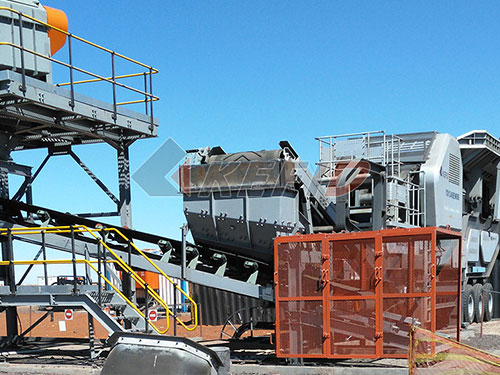
Deconstructing the Core Components: Capacity and Compliance
To fully appreciate the significance of this equipment specification, it is essential to understand its two fundamental aspects: its operational scale (500 TPH) and its regulatory adherence (RoHS Compliance).
1. The 500 TPH Gold Mining Washing Plant: A Workhorse of Large-Scale Operations
A 500 TPH washing plant is not a single machine but a complex, integrated processing system designed for high-volume alluvial or eluvial gold deposits. Its primary function is to separate gold particles from the surrounding clay, gravel, and sand (the “gangue” material) through a series of physical processes. Key components typically include: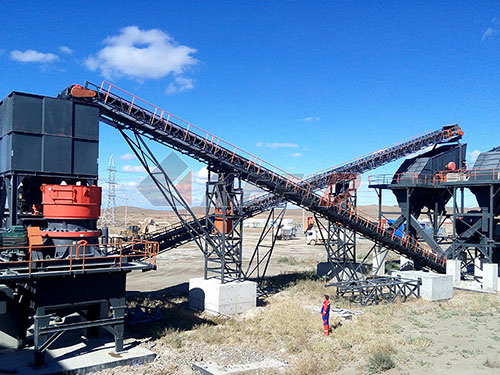
- Feed Hopper and Conveyor System: Designed to handle 500 tons of material every hour, requiring robust engineering to manage continuous, heavy loads.
- Scrubbing/Trommel Screen: A rotating cylindrical screen that breaks down clay agglomerates and washes the material while classifying it by size. Oversize rocks and debris are rejected, while the valuable smaller fraction proceeds.
- Sluices and Jigs: These are gravity separation units. They use water flow and pulsation to separate gold, which has a high specific gravity (density), from lighter materials. A 500 TPH plant would employ multiple, large-scale sluice boxes or jig concentrators operating in parallel.
- Centrifugal Concentrators (e.g., Knelson or Falcon Concentrators): For finer gold recovery, these devices use high-G forces to enhance separation efficiency. They are critical for maximizing yield in a high-throughput system.
- Pumps, Pipelines, and Water Management System: The lifeblood of any washing plant. Moving thousands of gallons of water per hour requires high-capacity pumps and a well-designed closed-loop water system to minimize freshwater consumption.
- Control System and Power Unit: An automated PLC (Programmable Logic Controller) system is essential for monitoring and optimizing the entire process. Power can be supplied via large diesel generators or grid connection.
A plant of this scale represents a multi-million-dollar capital investment and is typically deployed in major mining projects with substantial proven reserves.
2. The Critical Importance of RoHS Compliance in Heavy Mining Equipment
The Restriction of Hazardous Substances (RoHS) Directive is an EU-originated regulation that restricts the use of specific hazardous materials in electrical and electronic equipment (EEE). While initially targeting consumer electronics, its principles have permeated industrial sectors as part of broader Environmental, Social, and Governance (ESG) frameworks.
For a 500 TPH washing plant—a piece of heavy machinery—RoHS compliance primarily focuses on its electrical and control systems. This includes:
- PLC Cabinets, Motor Starters,
- Wiring, Sensors,
- Monitoring Displays, Communication Modules.
The restricted substances under RoHS include:
- Lead (Pb): Traditionally used in solder, cable sheathing, and batteries.
- Mercury (Hg): Found in some switches and relays.
- Cadmium (Cd): Used in some corrosion-resistant coatings and batteries.
- Hexavalent Chromium (Cr VI): Used in anti-corrosion plating.
- Polybrominated Biphenyls (PBB) and Polybrominated Diphenyl Ethers (PBDE): Flame retardants in plastics.
Why does this matter for a remote gold mine?
- Environmental Stewardship: During the equipment’s end-of-life phase or if components are damaged on site, RoHS-compliant parts prevent these toxic substances from leaching into soil and water tables.
- Worker Health & Safety: Reducing exposure to lead solder fumes during manufacturing or repairs protects workers’ health.
- Market Access & Corporate Image: Many multinational mining corporations have strict ESG policies requiring their supply chain to adhere to RoHS-like standards. Using compliant equipment enhances their sustainability reporting.
- Future-Proofing Operations: As global regulations tighten, RoHS-compliant equipment avoids potential future liabilities or costly retrofits.
The Role of the Specialized Distributor
A distributor for such specialized equipment is far more than just a middleman; they are a technical partner integral to project success. Their responsibilities extend beyond logistics to encompass deep technical expertise.
Key Capabilities of a Reputable Distributor:
- Technical Acumen & Customization: They must understand that “one size fits all” does not apply to gold processing. They work with engineering teams to customize the standard 500 TPH plant design based on specific ore characteristics (clay content, gold particle size distribution).
- Compliance Verification: A trustworthy distributor does not merely claim compliance; they provide verifiable documentation from their manufacturers. This includes Material Declarations Sheets and Certificates of Conformity for all electrical components used in assembly.
- After-Sales Support & Spare Parts Logistics: A 500 TPH plant represents immense revenue potential; downtime is catastrophic. The distributor must guarantee access to genuine spare parts—all compliant with original specifications—and have service engineers available for commissioning maintenance support worldwide.
- Value-Added Services: Top-tier distributors offer services like process flow simulation training on plant operation using their specific equipment layout assistance with permitting due to cleaner technology credentials.
Challenges Considerations
Procuring such advanced equipment presents several challenges:
- Cost Premium: RoHS-compliant components often carry higher initial costs due more expensive lead-free solders specialized manufacturing processes However this must be weighed against long-term benefits reduced environmental liability enhanced corporate reputation
2 Verification Complexity Ensuring every single component from smallest sensor main control panel complies requires rigorous supply chain management Distinguishing between fully compliant plants those merely featuring some compliant sub-assemblies crucial
3 Balancing Durability Performance Some early lead-free solders were criticized perceived brittleness especially under thermal cycling conditions prevalent harsh mining environments Modern alloys have largely addressed these issues but remains point technical scrutiny
Conclusion Strategic Imperative Sustainable Mining
The demand distributor supplying RoHS Compliant TPH Gold Mining Washing Plant clear signal industry’s trajectory It signifies shift where sheer processing capacity longer sole determinant value Environmental performance worker safety long-term sustainability becoming equally important competitive differentiators
For mining company investing such plant demonstrates commitment operational excellence responsible stewardship It future-proofs operation against tightening global regulations aligns with expectations investors communities For distributor specializing niche represents opportunity position themselves leader emerging market sustainable mining technology By bridging gap between traditional brute-force mineral extraction sophisticated environmentally conscious manufacturing principles they become enablers new more responsible era gold mining
