
In the critical infrastructure of rail networks and major construction projects, quarry ballast serves as the foundational bedrock. This coarse aggregate, typically comprised of crushed hard rock like granite, basalt, or limestone, provides drainage, stability, and load distribution. The production of high-specification ballast is a precise operation, heavily reliant on efficient and robust crushing equipment. For quarry operators and large-scale contractors, navigating the market for quarry ballast crushing equipment vendor wholesale price is a complex but essential task. This article provides a detailed, professional analysis of the equipment ecosystem, key vendor considerations, and the multifaceted factors that determine wholesale pricing.
Producing ballast to meet strict railway specifications (such as AREMA or RSSB standards) requires a multi-stage crushing and screening process. The equipment must generate particles that are angular, durable, clean (free of fines), and within a tightly controlled size range (e.g., 28-50mm).
1. Primary Crushing: The first reduction of blasted quarry run material.
2. Secondary Crushing: Further reduces the primary crushed material and begins to shape the aggregate.
3. Tertiary/Fine Crushing & Shaping:
4. Screening & Fines Removal:
The vendor market is stratified, offering different value propositions.
1. Global Full-Line Manufacturers (e.g., Metso Outotec, Sandvik Mining & Rock Solutions):
2. Major Chinese Manufacturers (e.g., SBM Machinery):
3. Established regional players often provide strong local service support at competitive prices.
The term “wholesale price” implies a significant discount from list price for large orders or turnkey projects. Key determinants include:
1. A mobile jaw-and-cone plant will have different pricing than a 500tph stationary plant with multiple conescreensand VSI units.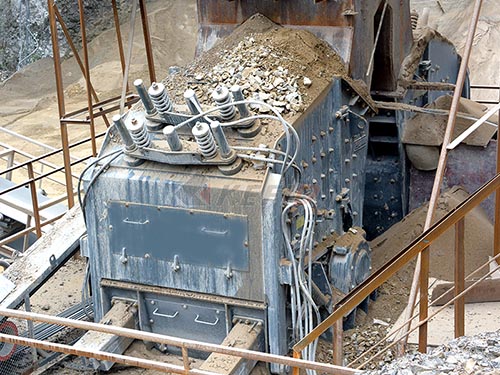
2. High-chrome wear partsmartensitic steel liners add cost but reduce lifetime operating expense.vendor’s proprietary technology carries a premium.
3. Direct purchase from manufacturer vs.distributor affects margin structure.Large multinationals have less price flexibility than mid-sized firms eager for market share.
4. Economic conditionsraw material costsglobal supply chain healthand currency fluctuations directly impact vendor cost structurespassed on to buyers.
5. A “wholesale” quote often includes ancillaries like conveyorsfeedersdust suppressionand electrical control panelswhich can account for 25-35% of total project cost.
Savvy buyers look beyond the initial invoice (CAPEX) to evaluate Total Cost of Ownership (TCO) over a 5-10 year horizon:
TCO = Purchase Price + Installation + Operational Costs (Energy Wear Parts Labor) + Downtime Costs – Residual Value
Operational Efficiency Energy consumption per ton crushed varies greatly.Modern cone crushers with efficient drives can offer substantial savings.High-quality wear parts last longerreducing change-out frequencyand labor costsdowntime
Reliability & Service Support Unplanned downtime is catastrophic.A vendor’s ability to provide 24/7 technical supportquick parts deliveryon-site service engineers is invaluableoften justifying a higher initial price.Local parts inventory is a critical negotiation point
Technology & Automation Modern crushers with automatic setting regulation(like Sandvik’s ASRI or Metso’s IC series) optimize throughputproduct gradationand protect against tramp metal.Automation improves consistencyreduces manpowerand lowers operational cost
Procuring crushing equipment for quarry ballast production at a favorable wholesale price is a strategic exercise balancing technical requirementsfinancial constraintsand long-term operational goals.The most cost-effective solution is rarely the cheapest initial purchase.Investing in robustwell-matched equipment from a reputable vendor—whether globalregionalor value-focused—that delivers high availabilitycubical product shapeand low operating costs per tonwill ultimately define profitability in the competitive aggregates market.A thorough analysis of plant designvendor capabilitiesafter-sales supportand comprehensive TCO modeling is essential before any procurement decisionensuring that the foundation of your ballast operation—the crushing circuit—is built forsustainabilityandefficiency
Lorem ipsum dolor sit amet, consectetur adipisicing elit. Consectetur sequi saepe ut sunt eveniet perferendis excepturi, iste obcaecati. Qui tempore hic sed quia soluta obcaecati vel.