The Global Supply Chain of Quarry Ballast Crushing Equipment: An Engine of Infrastructure Development
Introduction
The global infrastructure landscape is fundamentally underpinned by a critical, yet often overlooked, component: railway ballast. This layer of crushed stone provides drainage, stability, and load distribution for rail networks worldwide. The production of this essential material relies on specialized quarry ballast crushing equipment, a sector whose exporters form a complex and vital global supply chain. This network is not merely about shipping machinery; it is a sophisticated ecosystem integrating engineering excellence, logistical prowess, and deep market understanding to support the development and maintenance of national rail infrastructures. This article delves into the intricacies of this supply chain, examining its key players, technological drivers, logistical challenges, and the dynamic market forces shaping its future.
1. The Product Core: Understanding Ballast Crushing Equipment
Ballast stone has strict specifications regarding size (typically 25-63mm), shape (angular for interlocking), hardness, and durability to withstand immense pressure and weathering. Consequently, the crushing equipment used is highly specialized. The core of a ballast production plant typically involves:
- Primary Crushers (Jaw Crushers): These robust machines handle the initial size reduction of blasted quarry rock.
- Secondary Crushers (Cone Crushers or Impact Crushers): They further crush the material and are crucial for achieving the desired cubical shape. Cone crushers are preferred for harder abrasives like granite, offering better particle shape control.
- Tertiary Crushers (Vertical Shaft Impactors – VSIs): Often used as final shaping machines to ensure optimal interlocking angularity.
- Screening Equipment: Multi-deck vibrating screens precisely separate crushed material into specified ballast sizes and oversize/undersize fractions for recirculation.
- Integrated Plants: Modern systems are often semi or fully mobile track-mounted plants or modular static setups, designed for efficiency and ease of installation.
Exporters do not merely supply individual machines; they provide integrated solutions—engineering design, plant layout, automation control systems, and performance guarantees tailored to the parent rock (granite, basalt, limestone) of the client’s quarry.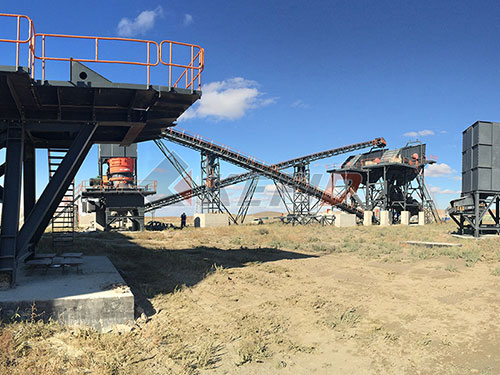
2. Key Nodes in the Export Supply Chain
The supply chain from manufacturer to operational quarry site is multi-layered: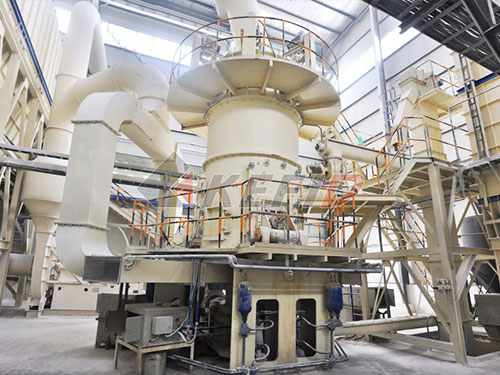
A. Manufacturing Hubs & Major Exporters:
- European Union: A traditional powerhouse housing engineering-intensive firms from Germany (e.g., Kleemann – part of Wirtgen Group), Sweden (Sandvik, Metso), and Finland (Metso). They export high-end, automated equipment known for reliability, precision engineering, and advanced control systems.
- North America: Major players like Eagle Crusher (USA) and others supply robust equipment designed for high-volume output, often exporting to markets with similar operational philosophies.
- China: Has emerged as a dominant volume exporter. Chinese manufacturers offer a wide range from budget-friendly standard models to increasingly competitive mid-tech equipment. They hold significant market share in Africa, Southeast Asia, and parts of South America due to competitive pricing and adaptable financing.
- Other Notable Regions: Turkey has become a formidable exporter, blending European quality with cost-effectiveness. India also exports competitively priced machinery to neighboring regions.
B. The Role of Distributors and Local Agents:
Direct export is rare for large-scale projects. The chain typically flows through:
- Regional Distributors/Dealers: Established partners in target countries who hold inventory of wear parts (mantles, concaves, liners) and provide first-line technical support.
- Local Agents or Commissioning Engineers: They facilitate sales negotiations, navigate local import regulations (customs duties, standards compliance), oversee installation supervision (often done by flown-in specialist teams), and coordinate initial operator training.
C. Logistics & Transportation Specialists:
Heavy-lift cargo carriers handle massive crusher frames. Containerized shipping is used for smaller components and control systems. Project logistics firms manage the complex sequence of moving oversized cargo—navigating port restrictions inland transportation via multi-axle trailers—ensuring just-in-time delivery to often remote quarry sites to avoid costly downtime.
3. Critical Drivers & Challenges in the Supply Chain
Drivers:
- Global Infrastructure Investment: Mega-projects like China’s Belt & Road Initiative (BRI), national rail expansions in India (Dedicated Freight Corridors), Africa’s Trans-African Railway network ambitions drive demand.
- Technological Advancements: Exporters compete on smart technology—remote monitoring via IoT sensors predictive maintenance data analytics automated setting adjustments—which reduces lifecycle costs for buyers.
- After-Sales Service as a Competitive Edge: The ability to guarantee fast delivery critical wear parts provide comprehensive maintenance contracts is often more decisive than initial price alone.
Challenges:
- Geopolitical & Trade Barriers: Tariffs trade sanctions local content requirements can disrupt established supply routes force exporters into local assembly partnerships.
- Volatile Raw Material Transport Costs: Fluctuations in sea freight bulk shipping rates directly impact landed cost competitiveness especially for heavy machinery.
- Technical Adaptation Requirements: Equipment must be adapted varying local conditions—different electrical voltages dustier environments availability skilled operators—requiring flexible engineering from exporters.
- Intense Price Competition: Particularly from Asian manufacturers pressures profit margins forces established players continuously innovate differentiate through service technology rather than just hardware.
4. End-Market Dynamics Influencing Exports
Exporters must tailor their strategies diverse end-markets:
- Developed Markets (North America Europe): Demand focuses replacement upgrades existing fleets with premium fuel-efficient automated machines emphasizing lower total cost ownership environmental compliance noise dust reduction features.
- Emerging Economies (Southeast Asia Africa Latin America): Price sensitivity higher but growth potential immense Demand often favors simpler durable designs flexible financing models turnkey solutions including training strong local parts depot establishment.
- Mining vs Infrastructure Focus: While ballast specific some exporters serve broader aggregate mining sectors allowing diversification However pure-play ballast equipment tends towards specific shaping screening configurations.
5.The Future Trajectory Sustainability Imperatives
The supply chain evolving rapidly key trends include:
- Circular Economy Integration: Growing interest mobile crushers that can process demolition concrete into recycled ballast urban rail projects Exporters developing equipment handle processed materials alongside virgin rock
- Electrification Automation Drive: Development all-electric crushing screening plants reducing carbon footprint quarries especially those located near renewable power sources Increased autonomy operation safety
- Digital Supply Chains: From digital twins simulation during sales phase blockchain-tracked spare parts shipments augmented reality remote assistance—digitalization enhancing efficiency transparency across entire chain
Sustainability becoming non-negotiable selling point not only machine energy efficiency but also sustainable manufacturing practices exporters themselves
Conclusion
The global supply chain quarry ballast crushing equipment exporters represents formidable intersection heavy industry international trade strategic infrastructure development It resilient adaptive ecosystem where engineering innovation meets logistical complexity Market success hinges not merely manufacturing robust crusher but orchestrating seamless flow knowledge parts service across continents As world continues invest rail transport backbone sustainable economic growth this specialized supply chain will remain indispensable quietly building foundation upon which modern economies run Its future will be defined by how effectively it integrates digitalization embraces sustainability meets ever-evolving demands developing world—all while keeping trains running safely reliably everywhere
