
In the robust and ever-evolving world of construction and railway infrastructure, the term Quarry Ballast Crushing Equipment Distributor represents a pivotal link in the supply chain. This entity is far more than a simple middleman; it is a critical partner that ensures the seamless transformation of raw, blasted rock into precisely graded, high-integrity track ballast—the foundational bed upon which railways safely and efficiently operate. This article delves into the multifaceted role of these distributors, the technical complexities of the equipment they supply, market dynamics, and key considerations for quarry operators in selecting the right distribution partner.
To appreciate the distributor’s role, one must first understand the product their equipment creates. Railway ballast is not mere gravel. It is a carefully engineered aggregate layer with specific functions:
These functions mandate strict physical and mechanical specifications (e.g., particle size distribution, abrasion resistance (Los Angeles Abrasion test), weathering properties, and particle shape). Consequently, the crushing process must be meticulously controlled, moving beyond simple size reduction to shaping and cleaning aggregates.
A specialized distributor operates at the intersection of heavy machinery manufacturing and demanding end-user application. Their core functions include:
A. Technical Consultation & System Design: They work with quarry owners to analyze feed material (granite, basalt, limestone etc.), required final product specs (often adhering to standards like AREMA or EN), and production targets. They then design or recommend a complete crushing circuit—from primary jaw crushers that handle initial reduction to secondary cone crushers for further size control, tertiary impact crushers for shaping cubical particles, and vibrating screens for precise grading.
B. Equipment Portfolio & Supply: They represent one or more leading OEMs (Original Equipment Manufacturers) such as Metso Outotec, Sandvik, Terex MPS, Kleemann, or Astec Industries. Their portfolio includes:
C. Parts & Wear Life Management: Ballast crushing is exceptionally abrasive. Distributors maintain extensive inventories of critical wear parts—mantles, concaves, jaw dies, screen meshes—and offer advanced metallurgy options (like MX alloys) to optimize cost-per-ton crushed.
D. Service & Technical Support: This is arguably their most vital role. It encompasses:
E. Market Knowledge & Value-Added Services: They provide insights into regional regulatory trends (environmental permits for dust/noise), financing options (leasing vs. purchasing), and can sometimes assist with logistics for moving heavy equipment.
The distributor’s expertise is tested in designing circuits that balance productivity with product quality.
A competent distributor doesn’t just sell these machines; they engineer their interaction within site-specific constraints.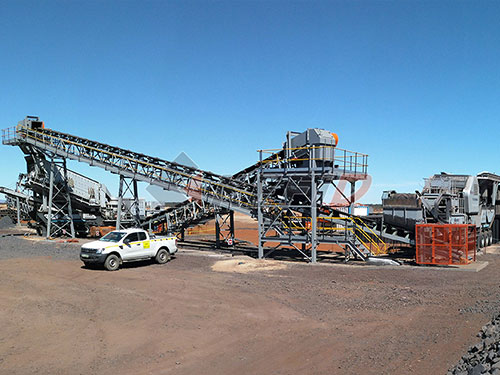
The market for ballast crushing equipment is influenced by several macro factors:
Choosing a distributor is a long-term strategic decision with significant CAPEX implications. Key evaluation criteria include:
Technical Expertise & Application Experience:
Product Portfolio Strength:
After-Sales Support Infrastructure:
4 . Financial Stability Commercial Flexibility :
5 . Commitment Training Safety :
6 . Proactive Technology Adoption :
The role of a Quarry Ballast Crushing Equipment Distributor transcends transactional sales embodying deep technical partnership essential success modern aggregate production facility . In an industry where downtime translates directly substantial revenue loss , reliability quality output non-negotiable , right distributor becomes invaluable extension quarry operator’s own team .
As global infrastructure demands continue grow alongside pressures efficiency sustainability , these specialized distributors will remain central players . Their evolution from pure equipment suppliers holistic solution providers —offering digitally enhanced , service-centric , environmentally compliant packages —will define next generation railway ballast production ensuring world’s rail networks built upon solid , precisely engineered foundation . Therefore selection process must undertaken rigorous due diligence recognizing profound impact this partnership will have operational profitability long-term viability quarry business itself
Lorem ipsum dolor sit amet, consectetur adipisicing elit. Consectetur sequi saepe ut sunt eveniet perferendis excepturi, iste obcaecati. Qui tempore hic sed quia soluta obcaecati vel.