
In the global construction, mining, and aggregate industries, the stone crusher machine stands as a cornerstone piece of equipment. For businesses involved in large-scale projects or resale, securing a professional stone crusher machine at a competitive wholesale price is not merely a purchase—it’s a strategic capital investment that directly impacts operational efficiency, product quality, and long-term profitability. This detailed guide delves into the multifaceted world of wholesale procurement, examining the factors influencing price, the types of machinery available, and key considerations for making an informed investment.
Wholesale pricing exists within a complex ecosystem distinct from retail single-unit sales. It involves transactions of multiple units or high-value single pieces of heavy machinery directly from manufacturers or authorized large-scale distributors. The primary advantage is significant cost reduction per unit, but it requires deeper industry knowledge and greater due diligence.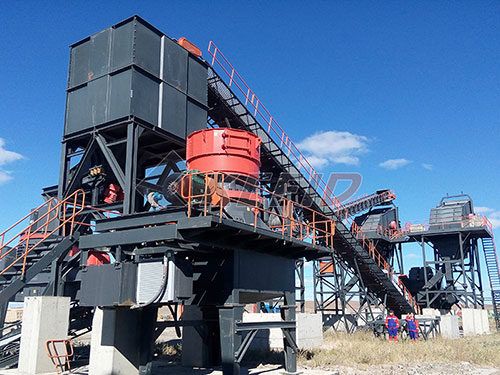
Key Players in the Wholesale Chain:
The wholesale price of a professional stone crusher is not a fixed number but a variable determined by an interconnected matrix of factors:
Machine Type & Technology:
Production Capacity & Specifications:
The throughput (Tons Per Hour) is a primary cost driver. A machine rated for 200 TPH will be priced exponentially higher than one rated for 50 TPH. Related specifications like feed size acceptance, power rating (kW/HP), and discharge setting range directly influence engineering complexity and material costs.
Core Components & Material Quality:
The quality of wear parts is paramount. Crushers with manganese steel jaws/liners, high-grade alloy steel rotors/hammers, and robust bearing housings are more expensive but offer far lower lifetime operating costs through reduced downtime and part replacement frequency.
Automation & Control Systems:
Modern professional crushers are equipped with PLC-based control systems offering real-time monitoring, automatic setting adjustments (like CSS in cone crushers), overload protection, and remote telematics. This “smart” functionality enhances efficiency but adds to the initial wholesale cost.
Brand Equity & After-Sales Support:
Established international brands carry a price premium justified by decades of R&D, proven reliability in extreme conditions, global spare parts networks, and comprehensive technical support packages included in wholesale deals.
Order Volume & Negotiation Terms:
The fundamental principle of wholesaling: larger orders secure better per-unit prices. Purchasing multiple machines or a complete crushing circuit (primary+secondary+screen) provides substantial leverage in negotiations.
Market Dynamics & Geography:
Steel prices fluctuate globally; when raw material costs rise so do machinery prices.
Regional demand surges can tighten supply.
Logistics—shipping a 50-ton stationary crusher from China to North America versus sourcing it locally—adds considerable freight costs to the landed wholesale price.
Define Your Needs Precisely: Conduct thorough material testing (abrasion index, silica content). Determine required final product gradations (#57 stone? asphalt chips? manufactured sand?). Calculate realistic peak production needs rather than theoretical maximums.
Total Cost of Ownership (TCO) Analysis: Look beyond the invoice price.
3.Supplier Vetting & Due Diligence: For OEMs/distributors:
4.Financing Options Within Wholesale Deals: Many manufacturers offer attractive financing leases or loans for bulk buyers which can ease cash flow pressures while enabling acquisition
5.Negotiation Points Beyond Price: While price is key other negotiable elements can add immense value: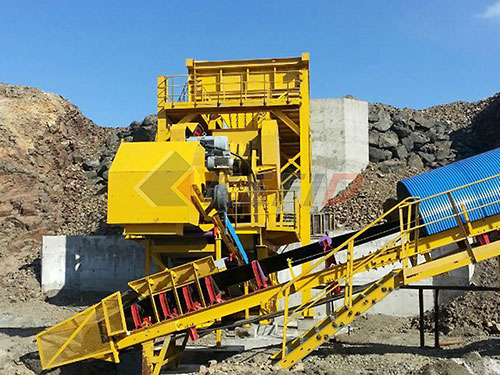
Securing professional stone crusher machines at favorable wholesale prices requires balancing upfront expenditure against long-term operational performance Partnering with reputable suppliers who understand your business goals providing transparent TCO projections conducting rigorous pre-purchase evaluations ultimately leads successful procurement Remember cheapest option rarely translates most profitable choice over lifespan equipment By focusing on reliability serviceability efficiency alongside negotiated purchase price bulk buyers position themselves sustainable competitive advantage within demanding aggregate construction sectors This strategic approach transforms capital expenditure into powerful engine driving future growth productivity ensuring crushing operations run profitably reliably years come
If you have any questions about our products, please feel free to contact us. We take all inquiries and suggestions very seriously.