The Professional Supply Chain for Quarry Ballast Crushing Equipment: A Foundation of Global Infrastructure
The construction and maintenance of railway networks, a critical artery for global trade and transportation, rely on a hidden but fundamental component: quarry ballast. This layer of crushed stone provides drainage, stability, and load distribution for railway tracks. The production of this high-specification aggregate is itself dependent on a sophisticated, global, and highly professional supply chain for the specialized crushing equipment at its core. This article delves into the intricate ecosystem that designs, manufactures, delivers, and supports the machinery responsible for producing railway ballast.
1. Defining the Demand: The Ballast Specification Imperative
The supply chain begins not with a machine order, but with a precise geological and engineering specification. Railway ballast must be uniformly sized (typically 25-50mm), angular (for optimal interlocking), durable (high resistance to weathering and abrasion), and clean. This dictates the required crushing process: primary crushing to reduce blasted rock, secondary crushing to intermediate sizes, and tertiary/vertical shaft impact (VSI) crushing to shape the final product and remove flaky particles.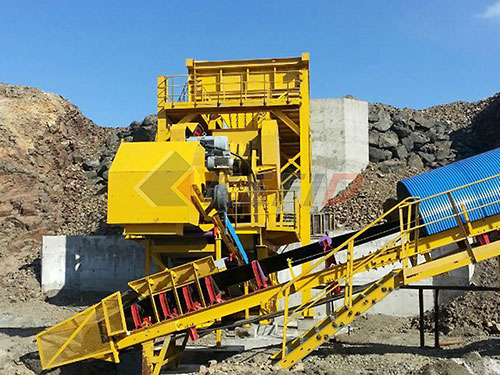
Consequently, the equipment demand is specific: robust jaw or gyratory crushers for primary reduction; cone crushers for secondary stages; and high-wear-resistant VSI crushers or specialised cone configurations for tertiary shaping. Screens, conveyors, feeders, and sophisticated control systems are integral. The supply chain must cater to this exacting technical need across diverse quarry conditions—from hard granite to abrasive basalt.
2. The Core of the Chain: Tier-1 OEMs (Original Equipment Manufacturers)
At the heart of the supply chain are the global OEMs (e.g., Metso Outotec, Sandvik, Terex MPS, ThyssenKrupp) and strong regional players. Their role extends beyond manufacturing:
- R&D & Design: They invest heavily in research to improve crushing efficiency, product shape control, energy consumption, and automation capabilities. Advanced simulation software models material flow and wear patterns before metal is cut.
- Engineering & Customization: While offering standard models, they provide application engineering to tailor plants—modifying crusher chambers, screen decks, and plant layout—to specific rock types and target gradations.
- Core Manufacturing: They typically manufacture mission-critical components like crusher frames, heads, main shafts, and proprietary wear parts (mantles, concaves) in controlled facilities. Advanced metallurgy (e.g., improved manganese steel alloys) is a key competitive advantage.
- System Integration: Leading OEMs act as system integrators, sourcing auxiliary components to deliver a complete “plug-and-play” processing plant.
3. The Extended Network: Tier-2 & Tier-3 Suppliers
OEMs rely on a vast global network of specialized suppliers:
- Tier-2 (Major Subsystems): Companies supplying electric motors (ABB, Siemens), gearboxes bearings hydraulic systems variable frequency drives dust suppression systems advanced automation packages These are often long-term strategic partnerships with joint development agreements
- Tier-3 (Components & Raw Materials): Foundries producing cast wear parts; steel mills providing plate; manufacturers of conveyor belting screen meshes electrical cables sensors etc This tier is highly cost-sensitive logistics-intensive
4. The Critical Logistics & Distribution Web
Moving heavy oversized equipment from factories often in Europe North America China or India to remote quarries worldwide is monumental task requiring multimodal coordination
- Transportation: Specialized heavy-lift sea freight roll-on/roll-off vessels flat-rack containers inland barge transport oversized road convoys Planning permits route surveys are crucial
- Warehousing & Distribution: Regional parts distribution centers DCs are strategically located near major mining hubs e g Singapore Johannesburg Dubai Houston Calgary These stock critical wear parts ensuring minimal downtime for quarries Just-in-time inventory management is essential
- Local Dealers & Agents: A network of authorized local dealers provides vital market presence They handle final sales local logistics installation supervision first-line technical support fostering crucial client relationships
5. The Value-Added Layers: Service Financing & Sustainability
The modern supply chain competes on total lifecycle cost not just initial capital expenditure
- After-Sales Service & Support: This includes commissioning preventive maintenance contracts remote monitoring diagnostics on-site mechanical service training programs Fast reliable parts supply via DC networks is arguably most critical service component directly impacting quarry profitability
- Financial Solutions: OEMs or their partners offer flexible financing leasing options rental models helping quarries manage capital outlay aligning payments with project cash flows
- Technology & Digitalization: Supply of IoT-enabled sensors data analytics platforms AI-driven predictive maintenance tools transforms equipment from mechanical asset into data source optimizing performance scheduling maintenance predicting failures
- Sustainability Integration: Increasingly supply chain must provide solutions reducing environmental footprint electric hybrid drive systems noise dust encapsulation water recycling circuits designs minimizing waste improving energy efficiency per ton crushed
6. Challenges Resilience in Professional Supply Chain
This complex global network faces significant pressures:
- Geopolitical Volatility Trade Policies Tariffs sanctions disrupt established sourcing logistics routes forcing diversification supplier bases nearshoring strategies
- Raw Material Price Fluctuations Steel alloys energy costs directly impact manufacturing costs requiring flexible pricing models risk-sharing agreements
- Supply Chain Disruptions As evidenced by recent global events port congestion semiconductor shortages highlight need greater visibility inventory buffers alternative sourcing
- Skilled Labor Shortage Designing operating maintaining advanced automated systems requires skilled engineers technicians creating talent pipeline challenge across chain
- Cybersecurity Threats Increased digital connectivity exposes automated control systems remote monitoring platforms cyberattacks necessitating robust security protocols
Conclusion
The professional supply chain for quarry ballast crushing equipment is far more than series transactions It is dynamic integrated ecosystem blending advanced engineering precision manufacturing complex logistics deep financial technical services Its ultimate performance metric success measured not sale machine but consistent production high-quality ballast supporting safe efficient railways over decades As demands infrastructure development sustainable practices grow this supply chain continues evolve becoming smarter more resilient more integrated than ever before It remains unsung foundational industry upon which literal foundations modern rail transportation are built
