Professional Iron Ore Crushing Plant Fabricators: Engineering Excellence in Mineral Processing
The global iron and steel industry forms the backbone of modern infrastructure, and at the heart of this industry lies the efficient extraction and processing of iron ore. The journey from raw, extracted ore to a high-grade concentrate suitable for blast furnaces or direct reduction processes begins with crushing. This critical first step is entrusted to professional iron ore crushing plant fabricators—specialized engineering firms that design, manufacture, and commission complete crushing systems tailored to the unique physical and chemical properties of iron ore. These fabricators are not merely equipment suppliers; they are solution providers who integrate mechanical engineering, metallurgy, automation, and project management to deliver plants that maximize throughput, minimize downtime, and ensure operational safety.
This article provides a comprehensive, objective examination of the role, capabilities, and technical considerations of professional iron ore crushing plant fabricators. It explores the key stages of plant design, the types of equipment employed, the challenges faced in the field, and the criteria for selecting a reliable fabrication partner.
1. The Core Role of a Professional Fabricator
A professional iron ore crushing plant fabricator is distinguished from a general equipment manufacturer by its deep domain expertise. Iron ore, particularly magnetite and hematite, presents specific challenges: it is abrasive, dense, and often contains varying levels of moisture and clay. A professional fabricator understands that a “one-size-fits-all” approach leads to inefficiency, excessive wear, and frequent breakdowns.
The fabricator’s role encompasses several key functions:
- Process Design & Flow Sheet Development: Before a single component is fabricated, the fabricator works with the client (mining company or EPC contractor) to develop a process flow sheet. This involves determining the required reduction ratios, the number of crushing stages (primary, secondary, tertiary, and sometimes quaternary), and the desired product size distribution. For iron ore, the target is often a product of 0–25 mm or finer, suitable for grinding mills.
- Equipment Selection & Sizing: Based on the ore’s characteristics (Bond Work Index, abrasion index, moisture content, compressive strength), the fabricator selects the appropriate crusher types. Common choices include gyratory crushers for primary crushing, cone crushers for secondary and tertiary stages, and high-pressure grinding rolls (HPGRs) for energy-efficient fine crushing. The fabricator must also size screens, feeders, conveyors, and dust collection systems to match the crusher’s capacity.
- Structural & Mechanical Fabrication: This is the core of the fabricator’s work. It involves manufacturing heavy-duty steel structures, chutes, hoppers, and crusher frames. Professional fabricators use high-strength, wear-resistant materials (e.g., AR400, AR500 steel) and employ advanced welding techniques (submerged arc welding, robotic welding) to ensure structural integrity under constant vibration and impact.
- Automation & Control Integration: Modern crushing plants are highly automated. Professional fabricators integrate programmable logic controllers (PLCs), variable frequency drives (VFDs), and remote monitoring systems. These systems optimize crusher settings in real-time, monitor bearing temperatures, adjust feed rates, and provide predictive maintenance alerts.
- Erection & Commissioning: The fabricator often provides on-site supervision for plant erection, ensuring that all components are installed according to engineering drawings. Commissioning involves testing the plant under load, fine-tuning settings, and training the client’s operators.
2. Key Equipment in an Iron Ore Crushing Plant
A professional fabricator must master a range of crushing technologies. The selection of equipment is dictated by the ore’s hardness and the plant’s capacity (typically ranging from 200 to 10,000 tons per hour).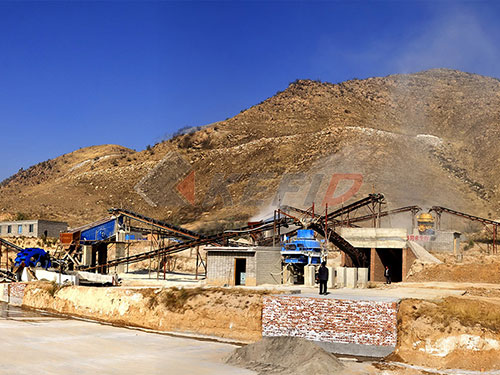
- Primary Crushers: For large run-of-mine (ROM) ore (up to 1.5 meters in diameter), gyratory crushers are the industry standard. They offer high capacity and continuous operation. Alternatively, large jaw crushers are used for smaller operations or where capital cost is a constraint. Professional fabricators design the feed hopper and apron feeder to handle the impact of large boulders.
- Secondary & Tertiary Cone Crushers: These are the workhorses of iron ore crushing. Modern cone crushers (e.g., Symons, HP, or GP series) are designed for high reduction ratios and produce a cubical product shape. Fabricators must ensure that the crusher’s eccentric throw, chamber profile, and closed side setting (CSS) are optimized for iron ore. For abrasive ores, the fabricator may recommend ceramic inserts or manganese steel liners with a specific wear profile.
- High-Pressure Grinding Rolls (HPGRs): Increasingly popular in iron ore processing, HPGRs offer significant energy savings (30–50% less energy than conventional cone crushers) and produce micro-fractures in the ore, improving downstream grinding efficiency. Professional fabricators must design the HPGR frame to withstand immense pressure (up to 5,000 kN/m²) and integrate a reliable hydraulic system.
- Screens & Feeders: Vibrating screens (e.g., banana screens, multi-slope screens) are used for classification. For sticky or wet iron ore, fabricators may design self-cleaning screen decks with polyurethane panels or heated mesh. Apron feeders and belt feeders must be sized to handle high tonnages and prevent spillage.
- Dust Suppression & Collection: Iron ore crushing generates significant dust, which is both a health hazard and an environmental concern. Professional fabricators integrate water spray systems, baghouse filters, or wet scrubbers. They also design enclosed transfer points and chutes to minimize fugitive emissions.
3. Engineering Challenges and Solutions
Professional fabricators must overcome several technical challenges unique to iron ore:
- Abrasion and Wear: Iron ore is highly abrasive, causing rapid wear on crusher liners, chutes, and conveyor belts. Fabricators combat this by using high-chrome iron liners, ceramic tiles, and rubber linings in critical areas. They also design chutes with “rock boxes” where ore impacts on a bed of ore rather than steel.
- Moisture and Stickiness: Wet ore (e.g., from tropical mines) can clog screens and crusher cavities. Fabricators may install heated screen decks, use “sizing” screens with larger apertures, or incorporate a washing stage before crushing. For sticky ores, a grizzly feeder with a vibrating deck is often preferred over a flat pan feeder.
- Variable Feed Size and Hardness: Ore from different parts of a mine can vary significantly. A professional fabricator designs the plant with flexibility: variable speed drives on feeders, adjustable crusher settings, and bypass chutes to handle oversized material without stopping the plant.
- Structural Vibration and Fatigue: The constant impact of large rocks can cause structural fatigue. Fabricators use finite element analysis (FEA) to model stresses on the plant structure. They design reinforced steel frames with heavy-duty base plates and use vibration dampeners under crushers and screens.
4. Quality Assurance and Fabrication Standards
Professional fabricators adhere to stringent international standards to ensure safety and reliability. Key certifications and practices include:
- ISO 9001:2015 for quality management systems.
- ASME (American Society of Mechanical Engineers) or EN 1090 standards for structural steel fabrication.
- Non-Destructive Testing (NDT): All critical welds are inspected using ultrasonic testing (UT), magnetic particle inspection (MPI), or radiography.
- Wear Life Guarantees: Reputable fabricators often provide guaranteed wear life for crusher liners and chute linings, based on the client’s ore sample analysis.
- Safety Compliance: Plants are designed with emergency stop systems, safety guards, interlocked access doors, and fall protection systems. The fabricator must comply with local safety regulations (e.g., OSHA, MSHA, or EU directives).
5. Selecting a Professional Fabricator: Key Criteria
Choosing the right fabricator is a strategic decision that impacts the entire mining operation. The following criteria should be evaluated objectively:
- Track Record & References: A fabricator with a proven history of delivering iron ore plants in similar geological conditions (e.g., Pilbara, Carajás, or Kiruna) is preferable. Request references and, if possible, visit an operating plant.
- In-House Engineering Capability: The fabricator should have a dedicated team of mechanical, structural, and electrical engineers. They should be able to perform 3D modeling (e.g., using SolidWorks or Inventor) and dynamic simulation.
- Manufacturing Capacity: Assess the fabricator’s workshop size, crane capacity (e.g., 100-ton overhead cranes), and ability to handle large, heavy components (e.g., crusher frames weighing 50+ tons).
- After-Sales Support: Professional fabricators offer spare parts availability, remote diagnostics, and on-site service contracts. A local service center or rapid dispatch of critical spares is a significant advantage.
- Project Management: The fabricator should assign a dedicated project manager who coordinates with the client’s team, manages timelines, and handles logistics (e.g., shipping heavy equipment to remote mine sites).
6. The Future of Iron Ore Crushing Plant Fabrication
The industry is evolving towards more sustainable and intelligent solutions. Professional fabricators are increasingly incorporating:
- Digital Twins: Virtual replicas of the crushing plant that allow for simulation of different ore types and operating scenarios before construction.
- Energy Efficiency: HPGRs and vertical shaft impactors (VSIs) are replacing traditional cone crushers in some applications to reduce power consumption.
- Modular and Mobile Plants: For smaller deposits or temporary operations, fabricators are designing skid-mounted or track-mounted crushing modules that can be rapidly deployed and relocated.
- AI-Driven Optimization: Machine learning algorithms are being integrated into control systems to predict liner wear, optimize crusher settings, and reduce unscheduled downtime.
Conclusion
Professional iron ore crushing plant fabricators are indispensable partners in the mining value chain. Their expertise extends far beyond welding and assembly; it encompasses process engineering, material science, automation, and project execution. By selecting a fabricator with deep domain knowledge, a commitment to quality, and a forward-looking approach, mining companies can ensure that their crushing plants operate at peak efficiency, with minimal environmental impact and maximum return on investment. As the demand for steel continues to grow, the role of these specialized fabricators will only become more critical in unlocking the full potential of iron ore resources worldwide.
