Professional Impact Crushers Manufacturers: Engineering Excellence for the Aggregate and Mining Industries
Impact crushers stand as a cornerstone technology in the aggregate production, mining, and recycling sectors. Their ability to efficiently reduce medium- to high-hardness materials through the dynamic principle of impact crushing makes them indispensable. However, the performance, reliability, and total cost of ownership of an impact crusher are intrinsically linked to the expertise and philosophy of its manufacturer. Professional manufacturers distinguish themselves not merely by building machines, but by offering comprehensive material processing solutions grounded in engineering rigor, advanced research, and unwavering aftermarket support.
The Core Philosophy of a Professional Manufacturer
Beyond mere fabrication, a professional impact crusher manufacturer operates on a foundation of deep application knowledge and a solution-oriented approach. Their process begins with understanding the material: its abrasiveness (Silica content/AI), moisture level, feed size, desired product shape (cubicity), and required capacity. This data informs every design decision.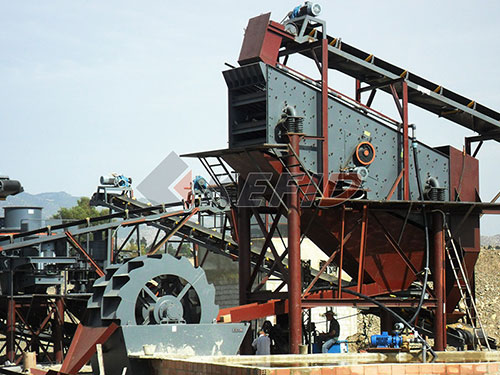
Key differentiators include:
- Engineering-First Design: Utilizing Finite Element Analysis (FEA) and Computational Fluid Dynamics (CFD) simulations to optimize rotor dynamics, housing strength, and internal airflow. This ensures structural integrity under extreme loads and minimizes unnecessary weight.
- Material Science Expertise: Selecting and developing proprietary alloys for wear parts (blow bars, impact plates) is critical. Professional manufacturers invest in metallurgical research to create grades optimized for specific applications—manganese steel for toughness, high-chrome iron for extreme abrasion resistance—often offering a matrix of wear part options.
- Modularity and Accessibility: Designs that facilitate easy maintenance, such as hydraulic-assisted lid opening, adjustable breaker plates without shims, and rotors that allow blow bar changes from the top or sides, drastically reduce downtime.
- A Focus on Total Cost of Ownership (TCO): While initial capital expenditure is a factor, professional manufacturers design for lower operating costs through higher efficiency (reducing energy per ton), longer wear part life, and simplified serviceability.
Technological Innovations Driving the Industry
Leading manufacturers continuously evolve their technologies to meet market demands for efficiency, sustainability, and automation.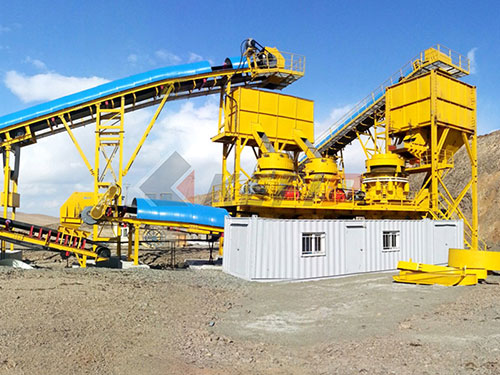
- Rotor Design: The heart of the crusher. Modern designs feature robust disc configurations with locking systems to prevent disc movement under load. Options include solid-body rotors for heavy-duty primary crushing and open-style rotors for secondary applications where accessibility is key.
- Wear Part Technology: Beyond metallurgy, innovations include composite wear parts (e.g., ceramic inserts in metal matrices), optimized geometry for better feed angle and wear utilization (like curved blow bars), and flip/reversible systems to maximize material usage before replacement.
- Crushing Chamber Optimization: The shape of the crushing chamber influences impact velocity, attrition rates, and product gradation. Advanced designs allow precise adjustment of the gap between rotor and impact aprons/grinding path via hydraulic or mechanical systems while the machine is running.
- Drive System Efficiency: Direct drive systems via fluid couplings or V-belts are common. The trend is toward direct coupling with synchronous motors for higher efficiency or variable frequency drives (VFDs) that allow soft starts and rotor speed adjustment to fine-tune product shape.
- Automation & Digitalization: Integration with programmable logic controllers (PLCs) enables automated start-up sequences load management,and safety interlocks.Smart sensors monitor vibration bearing temperature,and rotor speed connecting to IoT platforms for predictive maintenance preventing catastrophic failures.
Market Segments & Application-Specific Solutions
Professional manufacturers typically offer a portfolio tailored to distinct market needs:
- Primary Horizontal Shaft Impactors (HSI): Heavy-duty machines designed as primary crushers for soft to medium-hard limestone recycling concrete etc.They feature large feed openings massive rotors,and monoblock aprons.Focus is on high reduction ratios capacity.
- Secondary/Tertiary HSI Crushers: Used after jaw or primary gyratory crushers they refine aggregate shape produce spec products.Key features include precise grinding path adjustment multiple crushing chambers for cubical output.
- Vertical Shaft Impactors (VSI): Specialized for producing highly cubical aggregates sand manufacturing glass recycling etc.They utilize a high-speed rotor throwing material against anvils or rock shelves.Autogenous rock-on-rock configurations minimize wear part consumption in abrasive applications.
- Mobile Track-Mounted Impactors: A rapidly growing segment these self-propelled units offer flexibility.Manufacturers must expertly balance crusher performance with chassis design power supply hydraulics ensuring stability mobility without compromising crushing capability.
The Global Landscape of Leading Manufacturers
The market comprises multinational conglomerates specialized European engineering firms strong regional players.
- Multinational Giants (e.g., Metso Sandvik Terex MPS): Offer full-line crushing screening solutions backed by global distribution extensive R&D budgets.Their impactors are known for robustness technological integration often serving as flagship models in large-scale quarries mines.
- Specialized European Engineers (e.g., Hazemag KHD Humboldt Wedag BHS-Sonthofen): Often pioneers in impact crushing technology renowned for deep engineering focus innovative designs like hydraulic apron adjustment pendulum impactors highly efficient dryers in one unit).
- Strong Regional & Niche Players: Many have carved out reputations in specific regions or applications through reliable durable designs competitive pricing responsive local service.
Selecting a Professional Manufacturer: Key Evaluation Criteria
When sourcing an impact crusher due diligence should extend beyond brochure specifications:
- Test Crushing Facilities: Reputable manufacturers operate full-scale test plants where customer material can be processed data collected on throughput power consumption wear rates.This empirical evidence is invaluable.
- Reference Installations: Visit sites with similar material ask about availability reliability support responsiveness.Manufacturer willingness facilitate this speaks volumes.
- Aftermarket & Service Ecosystem: Assess parts inventory depth technical support team’s expertise training programs availability of field service engineers.A professional partner ensures operational continuity.
- Financial Stability & Longevity: Impact crushers have decades-long lifespans.The manufacturer must be a viable entity capable supporting it throughout its lifecycle providing future upgrades parts.
Future Trends Shaping Manufacturing
Sustainability regulations demand more efficient machines lower noise dust emissions.Manufacturers respond with improved sealing enclosed designs electric hybrid drives.Circular economy trends boost demand for robust crushers in C&D waste recycling driving innovations to handle contaminant variable feed.Computational design AI-driven optimization will further refine chamber geometries predict wear patterns automate operational settings maximizing yield quality while minimizing energy consumption.
Conclusion
Professional impact crusher manufacturers are therefore not just equipment suppliers but essential technological partners in the value chain of raw material processing.Their role transcends metal fabrication encompassing applied mechanics material science digital integration service logistics.Investing in a machine from such manufacturer represents strategic decision focused on long-term productivity reliability ultimately profitability operation.As industries face pressures sustainability efficiency choice manufacturer becomes even more critical determinant success defining difference between mere rock breaking sophisticated precise profitable material transformation process
