
In the global construction and infrastructure development sector, the demand for consistent, high-quality aggregates is perpetual. At the heart of meeting this demand lies the professional 250-300 TPH (tonnes per hour) stone crushing plant—a benchmark for medium-to-large scale aggregate production. For wholesalers in the construction materials supply chain, understanding, sourcing, and supplying these plants represents a significant opportunity within a critical market segment. This detailed guide explores the technical specifications, operational advantages, market positioning, and key considerations for wholesalers dealing in these robust crushing systems.
A 250-300 TPH stone crushing plant is a fully integrated processing system designed to crush hard rock (such as granite, basalt, river stone) or recycled concrete into specified aggregate sizes—from coarse fractions (like base material) to finer chips and sand. The “professional” designation implies it is engineered for reliability, efficiency, automation, and compliance with environmental and safety standards, distinguishing it from rudimentary or temporary setups.
A typical professional-grade plant in this capacity range comprises several key modules: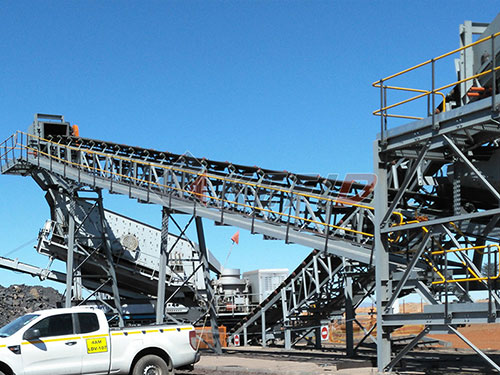
For wholesalers targeting serious aggregate producers—large quarry operators, major civil contractors on long-term projects (highways, dams), government procurement agencies—the 250-300 TPH capacity is strategically vital.
When marketing these plants to end-users like quarry owners or contractors looking to invest in their own production capacity rather than buying aggregates from others directly – wholesalers highlight several compelling advantages:
Successfully operating as a wholesaler/distributor/integrator requires deep expertise beyond simple transactional sales:
1 . Application Engineering Support: Each client’s raw material characteristics(abrasiveness/hardness/silica content)/final product requirements/space constraints differ greatly; therefore providing customized flow sheet designs becomes essential part service offering ensuring optimal performance post-installation
2 . Supplier Partnerships & Quality Assurance: Partnering only with reputable manufacturers known for component reliability(crushers/screens/conveyors) protects brand reputation while also securing reliable after-sales support networks including spare parts availability globally
3 . Logistics & Project Management Expertise: Delivering such large-scale industrial equipment involves complex international shipping arrangements followed by onsite assembly supervision often requiring specialized technicians sent abroad temporarily – managing this entire process smoothly adds tremendous value proposition compared against direct manufacturer sales approach lacking local presence/knowledge base
4 . After-Sales Service Commitment: Offering comprehensive training programs covering both operational best practices alongside basic troubleshooting procedures builds long-term relationships leading into recurring revenue streams via spare parts sales/service contracts etc..
5 . Financial Solutions Facilitation: Given substantial capital outlay required many potential buyers need financing assistance either through leasing options/joint venture structures/equipment rental agreements – facilitating access these financial instruments can be decisive factor closing deals successfully especially emerging markets where credit availability remains limited traditionally speaking
6 . Regulatory Navigation Assistance: Helping clients navigate local permitting processes related environmental impact assessments/noise regulations/workplace safety standards demonstrates partnership mentality fostering trust between parties involved throughout project lifecycle stages from conception through commissioning phase onwards ultimately resulting successful deployment meeting all legal obligations simultaneously achieving desired productivity targets efficiently sustainably over time horizon considered relevant stakeholders alike including community members living nearby operations site location chosen specifically based upon geological surveys conducted beforehand confirming resource adequacy supporting projected mine life expectancy calculations performed during feasibility study phase initially undertaken prior purchase decision being finalized conclusively indeed!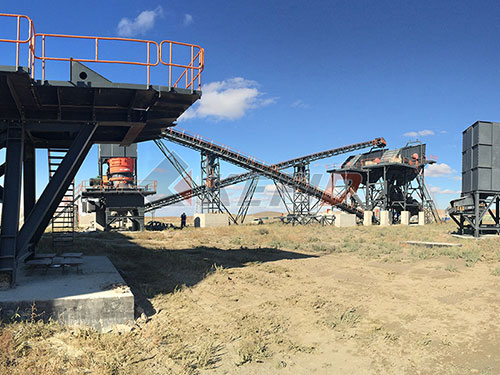
Professional wholesalers must stay ahead of industry trends shaping future demand patterns:
Lorem ipsum dolor sit amet, consectetur adipisicing elit. Consectetur sequi saepe ut sunt eveniet perferendis excepturi, iste obcaecati. Qui tempore hic sed quia soluta obcaecati vel.