
In the competitive world of construction, mining, and infrastructure development, the demand for high-quality aggregates is perpetual. For businesses looking to establish or expand their footprint in this sector—be it as a quarry operator, a large construction firm, or an emerging brand in heavy machinery—investing in a crushing plant is a pivotal decision. Among the various options available, a Private Label 250-300 TPH (Tonnes Per Hour) Stone Crushing Plant positioned as a “cheap” or cost-effective solution presents a compelling proposition. This article delves into the technical specifications, economic rationale, key considerations, and strategic advantages of opting for such a plant, providing a comprehensive overview for potential investors and operators.
A 250-300 TPH stone crushing plant is classified as a medium-to-large scale stationary or semi-mobile setup designed to process hard rocks like granite, basalt, limestone, and river gravel into various aggregate sizes (e.g., 0-5mm, 5-10mm, 10-20mm, 20-40mm). This output range is significant; it can typically supply enough material for major infrastructure projects (roads, bridges), commercial real estate developments, and precast concrete production. The “250-300” designation indicates the plant’s throughput capacity under normal operating conditions, making it suitable for sustained, high-volume production.
Private Label: In this context, private labeling refers to purchasing equipment manufactured by an OEM (Original Equipment Manufacturer) but branded with the buyer’s company name and specifications. The client works with a manufacturer—often based in regions with robust industrial supply chains like China, Turkey, or India—to customize a standard plant design. The manufacturer produces the plant according to agreed-upon technical parameters, slaps the client’s logo on it, and ships it as the client’s proprietary product line.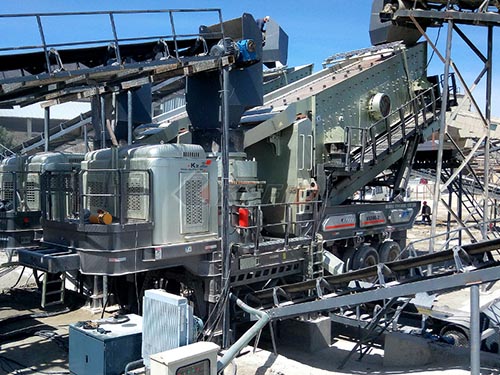
Cheap/Cost-Effective: The term “cheap” requires careful interpretation. It does not inherently imply low quality or poor performance. Instead, it signifies:
A reliable private label plant in this capacity range follows a logical flow with robust core components:
Labeling a plant “cheap” should not overshadow due diligence Key considerations include:
1 ⁿBrand Building: Companies can establish themselves as equipment suppliers enhancing their overall market position credibility within construction mining sectors
2 ⁿSolution Selling: They can offer complete tailored solutions crushing screening washing to end customers rather than just selling raw aggregates
3 ⁿCompetitive Bidding Advantage: Owning cost effective efficient production capacity allows companies bid more competitively on large supply contracts
Risk: Perceived Lower Quality / Resale Value
Mitigation: Focus on performance metrics uptime final product quality Build case studies Use reputable sub components where it matters most
Risk: Inconsistent After Sales Service from Distant OEM
Mitigation: Negotiate comprehensive training develop in house maintenance capability stock critical spares consider third party service agreements locally
Risk: Hidden Costs Freight import duties installation
Mitigation: Insist on CIF Incoterms get detailed quotations including all ancillary costs foundation drawings power connection requirements
A Private Label – TPH Stone Crushing Plant marketed as cheap represents far more than just an inexpensive piece of machinery It embodies strategic opportunity democratizing access to large scale aggregate production technology However its success hinges entirely on moving beyond price tag alone towards holistic evaluation of lifecycle value Prospective buyers must approach this as partnership with OEM conducting rigorous technical commercial due diligence When executed correctly such investment transforms from mere cost saving capital purchase into powerful engine for brand growth market expansion sustainable profitability enabling businesses secure their stake booming global construction aggregates market projected exceed billion tons annually Ultimately smart procurement balances intelligent economization unwavering commitment reliability productivity ensuring that cheap upfront translates long term value operational excellence
Lorem ipsum dolor sit amet, consectetur adipisicing elit. Consectetur sequi saepe ut sunt eveniet perferendis excepturi, iste obcaecati. Qui tempore hic sed quia soluta obcaecati vel.