Premium 250-300 TPH Stone Crushing Plant: A Comprehensive Technical and Commercial Overview
In the realm of aggregate production for large-scale infrastructure, mining, and high-volume commercial projects, a Premium 250-300 TPH (Tonnes Per Hour) Stone Crushing Plant represents the pinnacle of efficiency, reliability, and sophisticated engineering. This capacity range is strategically crucial, bridging the gap between medium-scale operations and the very largest stationary plants. A “premium” designation signifies far more than just output; it encapsulates superior design philosophy, high-end components, advanced automation, and a holistic approach to lifecycle cost management. This article provides a detailed technical breakdown, configuration analysis, and commercial rationale for investing in such a plant.
1. Defining “Premium” in High-Capacity Crushing
A premium 250-300 TPH plant transcends basic functionality. Its core tenets include:
- Optimized Flow Design: Minimizing bottlenecks and ensuring smooth material transfer from primary to final product stacking.
- Component Superiority: Utilizing renowned-brand crushers, screens, and conveyors built for continuous-duty operation with high availability (>90%).
- Advanced Automation & Control: Integrating a centralized PLC/SCADA system for real-time monitoring, remote diagnostics, automated adjustments, and production data logging.
- Durability & Maintenance Ease: Constructed with abrasion-resistant steels, equipped with comprehensive walkways, access platforms, and service points to reduce downtime.
- Environmental & Safety Compliance: Incorporating advanced dust suppression (often fog cannons or baghouse filters), noise enclosures, and fail-safe guarding as standard.
2. Typical Configurations for 250-300 TPH Output
Achieving this output reliably requires robust stage-wise size reduction. Two primary configurations dominate:
A. Three-Stage Hard Rock Configuration (Granite, Basalt)
This is the most common setup for abrasive materials requiring precise cubical shaping.
- Primary Crushing (Jaw Crusher): A heavy-duty jaw crusher (e.g., 1200x900mm to 1500x1200mm) reduces blasted rock from ~800mm to ~200mm. A vibrating grizzly feeder removes fines beforehand to reduce wear.
- Secondary Crushing (Cone Crusher): One or two large cone crushers (often 300HP+) take the primary output and reduce it further to ~40-70mm. This stage is critical for achieving product shape. Premium plants often use hydraulic adjustment and clearing systems for quick CSS changes.
- Tertiary Crushing (Cone Crushers or Impact Crushers): For final shaping and producing high-value chips/sand (if required), additional cones or horizontal shaft impactors (HSI) are used in closed circuit with screens.
- Screening & Classification: Multiple large-sized vibrating screens (usually 3-4 decks) sort material into final products (e.g., 0-5mm manufactured sand, 5-10mm, 10-20mm, 20-30mm). Closed-circuit design recirculates oversize back to the appropriate crusher.
B. Two-Stage Limestone / Soft Rock Configuration
For less abrasive rock:
- Primary Crushing (Impact Crusher or Large Jaw): A primary impact crusher can handle moderately sized feed directly, offering high reduction ratios in one stage.
- Secondary/Tertiary Crushing (Impact Crusher in Closed Circuit): A secondary HSI works in tandem with screens to produce final aggregates efficiently.
3. Core Components of a Premium Plant
- Crushers: Brands like Metso Nordberg®, Sandvik CH/CS Series cones, Terex Cedarapids MVP cones or Jaques jaws are typical premium choices. Features include automated control systems like ASRi or similar for real-time optimization.
- Screens: High-capacity linear or circular motion screens from manufacturers like Metso DF Series or Sandvik QA ensure accurate separation under heavy load.
- Conveyors: Heavy-duty troughed belt conveyors with impact beds at loading points, dust seals, and variable frequency drives (VFDs) for soft starts and speed control.
- Feed Hoppers & Surge Bins: Designed with adequate capacity (~50-100m³) to buffer upstream loaders from downstream fluctuations.
- Electrical & Control System: The plant’s “brain.” Includes motor control centers (MCCs), power distribution panels, PLC-based automation with touchscreen HMI in a climate-controlled cabin. Connectivity for remote support is now standard.
4. Key Performance & Economic Considerations
- Total Cost of Ownership (TCO): The premium upfront cost is justified by lower operating costs per ton: higher energy efficiency via optimized drives (~500-700 kW total connected power), longer wear part life due to superior metallurgy (~25-30% longer intervals), and drastically reduced unplanned downtime.
- Product Flexibility & Quality: The multi-stage closed-circuit design allows operators to shift product gradation ratios based on market demand without sacrificing throughput significantly—producing more manufactured sand when chip prices fall, for instance.
- Site Planning & Footprint: A plant of this capacity requires significant space (~100m x 80m minimum). Premium designs focus on modularity for easier transport but emphasize compact vertical arrangements where possible to reduce conveyor lengths and land use.
- Environmental Stewardship: Beyond dust control premium packages include water recycling systems for washing plants noise attenuation measures often bringing operational levels below85dB(A) at perimetersand comprehensive spill containment.
5. Obtaining a Competitive Quote: What to Specify
A detailed request for quotation RFQ is essential It should mandate:
1 Required Average Throughput: Specify if it’s250TPH sustainedor300TPH peak
2 Feed Material Characteristics: Type of rock unconfined compressive strength UCS abrasion index Wi feed size distribution
3 Required Final Products: Exact size specificationsand desired percentage split e g40% manufactured sand35% aggregate base course etc
4 Key Performance Indicators KPIs: Target product shape flakiness index target availability expected power consumption per ton
5 Standards Compliance: Must meet international standardsfor machinery safety CE etcand final aggregates ASTM C33 EN etc
6 Scope of Supply: Clarify if quote includesfoundations steelwork electrical cabling erection commissioning spares package training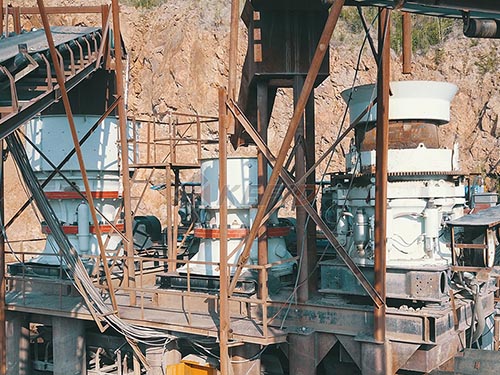
Conclusion
Investing in a premium250–300TPH stone crushing plantis a strategic capital decision aimed at securing long-term competitive advantagein high-volume aggregate markets It represents not just purchasing machinery but implementing an integrated production system engineeredfor maximum yield quality consistencyand operational resilience While the initial investment may be substantial—typically ranging from several million dollars upwards depending on configurationand scope—the return manifestsin superior uptime lower cost per ton enhanced product value that commands market premiumsand future-proof compliancewith increasingly stringent operational standards For contractors developersor dedicated aggregate producers undertaking major long-term projects sucha plant becomes the reliablehigh-output heartof their enterprise justifyingits designationas trulypremium
