
The global construction industry runs on a foundation of essential materials, and gypsum stands as a cornerstone among them. As the primary raw material for plaster, drywall, and various cementitious products, the demand for processed gypsum remains consistently high. For mining operations, recycling facilities, and construction companies, the efficiency of reducing raw or waste gypsum into usable aggregate is paramount. This is where portable gypsum crushers enter the picture, offering unparalleled flexibility and cost-effectiveness. The market for used portable gypsum crushers presents a compelling opportunity for businesses seeking to enhance their operational capabilities without the capital expenditure of new equipment. This article provides a comprehensive exploration of this niche market, covering the technology’s benefits, key equipment types, critical considerations for purchase, and the inherent advantages and challenges of opting for used machinery.
Before delving into the machinery, it is crucial to understand the material itself. Gypsum (CaSO₄·2H₂O) is a soft sulfate mineral. Its key characteristics directly influence crushing strategies:
These properties make gypsum an excellent candidate for a range of crusher types, particularly impact-based and jaw crushers.
The primary value proposition of a portable crushing plant is mobility. For gypsum-specific applications, this translates into several tangible benefits:
In the used equipment market, you will predominantly encounter three main types of portable crushers suitable for gypsyum processing.
1. Portable Jaw Crushers:
2. Portable Impact Crushers (Horizontal Shaft Impactor – HSI):
3.Portable Cone Crushers: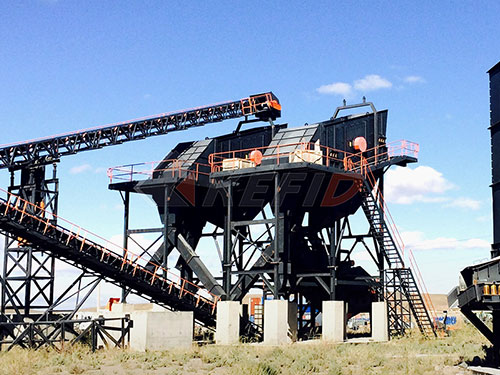
Many modern portable plants are “closed-circuit” units equipped with an onboard screen that recirculates oversized material back to the crusher until it passes through.This ensures precise control over final product sizing—a critical factor whether producing agricultural-grade powder or aggregate for wallboard manufacturing.
Purchasing used equipment requires diligent inspection beyond what would be necessary for new machinery.
2.Crusher-Specific Wear Parts:
3.Supporting Components :
Feeder : Ensure vibratory grizzly feeder works properly without cracks
Conveyors : Inspect belts idlers pulleys scrapers
*Screen Decks : Look at screen media condition frame structure
4.Maintenance & Service History :
Request all available records .A well-documented service history significantly increases value reliability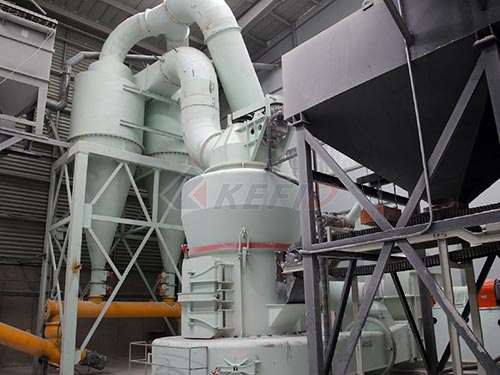
5.Reputation Brand Availability Spare Parts :
Stick reputable manufacturers Terex Finlay Metso Kleemann Sandvik Eagle Crusher etc These brands have better parts support technical documentation
6.Regulatory Compliance Emissions Standards :
Ensure machine complies local emission regulations especially diesel particulate matter noise levels
7.Inspection Trial Run :
Never buy sight unseen Whenever possible conduct thorough visual inspection request demonstration run preferably actual feed material similar yours Listen unusual noises vibrations observe overall performance
Advantages Cost Savings: Most obvious benefit Significant upfront savings depreciation hit already taken by first owner Lower insurance premiums possible Financing Flexibility More options available including seller financing Investment Risk Mitigation Less financial exposure if project scope changes shorter duration Operational Familiarity Many models proven track record known quirks strengths documented online user forums Faster Deployment Often immediately available no long lead times manufacturing
Disadvantages Potential Higher Maintenance Costs: Older machines likely require more frequent repairs replacement parts Unknown Service History Lack documentation lead unexpected downtime Residual Value Uncertainty Harder predict resale value Limited Warranty Coverage Most sales “as-is where-is” basis Technological Lag May lack latest fuel efficiency features automation controls advanced control systems Availability Selection Finding specific model configuration desired location challenging time-consuming process
The market used portablegypsymcrushe rs offers viable strategic pathway companies enhance theirmaterial processing capabilities while managing capital investment effectively Understanding unique propertiesgypsym operational advantages portability key characteristics differentcrushe rtypes essential making informed decision Success this endeavor hinges rigorous due diligence focusing mechanical integrity wear components maintenance history reputable seller By carefully weighing pros cons conducting comprehensive inspection buyers tapinto dynamic sector driving efficiency sustainability modern construction recycling industries
Lorem ipsum dolor sit amet, consectetur adipisicing elit. Consectetur sequi saepe ut sunt eveniet perferendis excepturi, iste obcaecati. Qui tempore hic sed quia soluta obcaecati vel.