The Bedrock of Progress: An In-Depth Look at Oklahoma’s Rock Crushing Industry
Oklahoma’s landscape, characterized by its sprawling plains, ancient mountains, and vast mineral resources, is intrinsically linked to the state’s economic and infrastructural development. At the core of this development lies a critical yet often overlooked industry: rock crushing. Oklahoma rock crushing companies form the essential supply chain for the aggregates that build its roads, bridges, buildings, and energy infrastructure. This sector is not merely about breaking stone; it is a sophisticated, technologically advanced, and highly regulated industry that serves as the literal bedrock of progress for the Sooner State.
The Geological Foundation: What is Being Crushed?
Oklahoma’s diverse geology provides a rich variety of materials for its crushing operations. The primary products derived from rock crushing are collectively known as “aggregates,” which are granular materials used in construction. The most common types include:
- Crushed Stone: This is the predominant product, sourced from durable bedrock formations like limestone, granite, dolomite, and sandstone. Limestone is particularly abundant in Oklahoma and is a primary source for road base, concrete aggregate, and agricultural lime.
- Sand and Gravel: These are naturally occurring unconsolidated materials often harvested from riverbeds, flood plains, and ancient alluvial deposits. They are crucial for concrete production, asphalt sand, and drainage applications.
- Recycled Concrete and Asphalt: A growing segment of the industry focuses on sustainability. Crushing companies increasingly process demolished concrete and old asphalt pavement (RAP – Reclaimed Asphalt Pavement) into valuable new aggregate materials, reducing landfill waste and the need for virgin materials.
The Role of Rock Crushing Companies in Oklahoma’s Economy
The services provided by these companies are indispensable to multiple sectors:
- Transportation Infrastructure: The Oklahoma Department of Transportation (ODOT) and county governments are major consumers of aggregates. Crushed stone forms the foundation (sub-base and base layers) for every mile of highway and rural road. It is also a key component in asphalt and Portland cement concrete used for paving.
- Construction: From skyscrapers in Oklahoma City and Tulsa to residential homes and commercial strip malls, crushed aggregate is a fundamental ingredient in concrete foundations, masonry blocks, and pre-cast concrete products.
- Energy Sector: Oklahoma’s status as a major oil and gas producer creates significant demand. Crushed limestone is used to create stable well pads, access roads through remote areas, and as a component in drilling muds. It is also used in the construction of pipelines and refinery facilities.
- Agriculture: Pulverized limestone (aglime) is widely used to neutralize soil acidity, improving crop yields across the state’s vast farmlands.
- Environmental and Erosion Control: Specific sizes of crushed rock are used for riprap—armor placed on shorelines and embankments to protect against water erosion.
The economic impact is substantial. The industry provides thousands of direct jobs in quarrying, hauling, equipment operation, and management, alongside countless indirect jobs in equipment manufacturing, logistics, and engineering services.
Operational Methodologies: From Quarry to Product
Rock crushing is a multi-stage process that transforms massive boulders into precisely sized products. Operations can be broadly categorized into two types:
1. Permanent Quarry Operations:
These are large-scale, fixed-site facilities established at the source of the raw material—a limestone formation or a gravel deposit. They represent the industrial backbone of the aggregate supply.
- Drilling and Blasting: In hard rock quarries, holes are drilled into the bedrock face which are then filled with controlled explosives. The resulting blast fractures the rock into manageable-sized pieces.
- Primary Crushing: Using massive jaw crushers or gyratory crushers, the large boulders are reduced to fragments roughly 6-8 inches in diameter.
- Secondary and Tertiary Crushing: Cone crushers or impact crushers further reduce the material size. This stage often involves screening, where vibrating screens separate the crushed material into various size categories (e.g., 1-inch stone, ½-inch stone).
- Washing and Finishing: Some materials require washing to remove dirt clay or to separate sand particles.
2. Portable Custom Crushing Services:
This highly mobile segment represents a significant portion of Oklahoma’s industry due to its efficiency on specific projects.
- On-Site Recycling: Companies transport portable crushers directly to construction or demolition sites to recycle concrete rubble or asphalt on-site immediately after removal from an old structure or roadway.
- Remote Site Development: For large-scale projects like wind farms or new energy developments in areas without easy access to a permanent quarry; portable crushing plants can be set up to create aggregate directly from local rock outcroppings.
- Rural Road Maintenance: County crews often contract with portable crushers to process local materials for gravel road maintenance.
This flexibility allows contractors and government entities to save significantly on transportation costs—one of the largest expenses in aggregate supply—and promotes sustainable practices through recycling.
Key Players Market Dynamics
The market structure in Oklahoma features several layers:
- Major National Corporations: Large multinational firms like Vulcan Materials Company Martin Marietta have significant operations within Oklahoma owning some of its largest quarries These companies leverage economies of scale extensive reserves long-term contracts with state agencies
- Regional Established Companies: Strong regional players such as Dolese Bros Co which has been an integral part building since before statehood operate numerous quarries sand gravel pits ready-mix concrete plants across state These firms have deep roots local knowledge
- Specialized Contract Crushers: Numerous small- medium-sized businesses focus exclusively portable custom crushing services They cater specific needs contractors offering tailored solutions project-by-project basis
- Government Municipal Operations: Some counties operate their own small-scale crushing operations maintain rural road systems though this has become less common due efficiency specialized private sector
Competition fierce driven by factors like proximity project site quality material logistical capabilities price Service reliability critical contractors working under tight deadlines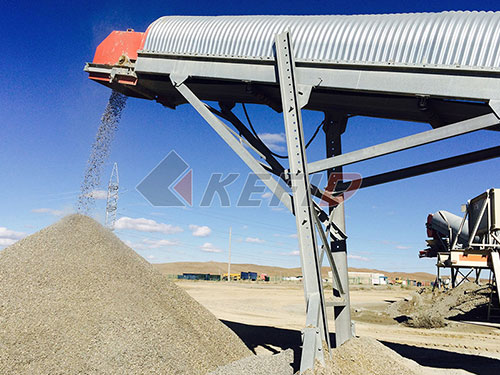
Navigating Challenges Regulations
Operating rock crushing company Oklahoma involves navigating complex web regulatory environmental considerations Primary governing bodies include Department Mines ODOM) responsible health safety mining operations Environmental Quality DEQ regulates air water quality issues
Key challenges include:
- Environmental Permitting: Obtaining permits air emissions water runoff noise control can lengthy costly process New sites face significant scrutiny from regulators public
- Community Relations: Quarries portable plants generate dust noise heavy truck traffic which can lead opposition from neighboring communities Proactive communication dust suppression measures strategic site selection essential maintaining social license operate
- Transportation Logistics: With weight limits public roads efficient logistics fleet management paramount profitability High fuel costs driver shortages persistent industry-wide challenges
- Workplace Safety: Rock crushing involves heavy machinery powerful equipment rigorous safety protocols MSHA Mine Safety Health Administration standards mandatory prevent accidents ensure worker well-being
- Market Cyclicality: Demand aggregates closely tied construction energy sectors making business vulnerable economic downturns fluctuations oil gas prices Companies must manage reserves capital investment strategically weather these cycles
Future Outlook Innovation
The future Oklahoma’s rock crushing industry will be shaped by several key trends:
Technology Integration: Adoption automation drone surveying GPS fleet tracking sophisticated plant control systems increasing efficiency improving safety reducing operational costs Automated systems optimize crusher settings real-time maximizing yield desired product fractions
Emphasis Sustainability Recycling: demand recycled concrete aggregate RCA will continue grow driven both economic environmental factors Companies investing advanced sorting cleaning technologies improve quality recycled products Furthermore water recycling systems dust collection technologies becoming standard new equipment
Strategic Resource Management: As easily accessible deposits depleted near urban centers companies must invest securing new reserves often facing greater regulatory hurdles public opposition This may lead strategic consolidations larger players acquire smaller firms their reserve bases
In conclusion industry far from simple business breaking rocks sophisticated vital economic engine that supplies fundamental building blocks modern society Through combination large-scale permanent quarries agile portable services sector demonstrates remarkable adaptability resilience As continues evolve embrace technological advancements sustainable practices will remain indispensable partner building maintaining infrastructure fuels growth prosperity across state ensuring that foundation upon stands both literally figuratively secure well into future
