OEM Quarry Ballast Crushing Equipment Delivery: A Critical Link in Infrastructure Development

The delivery of Original Equipment Manufacturer (OEM) quarry ballast crushing equipment represents a pivotal phase in the supply chain for rail and construction industries. It is far more than a simple logistical transaction; it is the culmination of extensive engineering design, manufacturing precision, and project planning, ensuring that a critical asset arrives on-site ready to produce the essential material that forms the foundation of railways and major infrastructure. This process encompasses technical, logistical, and commercial considerations, each demanding meticulous attention to detail to guarantee project timelines, budget adherence, and long-term operational success.

Understanding the Core: Ballast and Its Production

Railway ballast is the graded aggregate—typically hard, angular crushed stone—placed beneath and around railway sleepers (ties). Its primary functions are to distribute load from the sleepers to the subgrade, provide drainage, inhibit vegetation growth, and facilitate track maintenance. The quality of ballast is non-negotiable; it directly influences track stability, longevity, and safety. Consequently, the equipment used to produce it must be robust, reliable, and capable of generating material with specific particle size distribution (PSD), shape (cubicity), cleanliness (low fines content), and abrasion resistance (as measured by tests like the Los Angeles Abrasion Test).

An OEM quarry ballast crushing plant is a engineered system designed for this precise purpose. A typical setup includes:

  • Primary Crusher: Often a jaw crusher or gyratory crusher that handles large feed material from the quarry face.
  • Secondary Crusher: Usually a cone crusher that further reduces the size and begins shaping the aggregate.
  • Tertiary/Quaternary Crushers: Additional cone crushers or high-pressure grinding rolls (HPGR) for final shaping and production of precise fractions.
  • Screening Decks: Multiple vibrating screens to separate crushed material into specified size fractions (e.g., 28-50mm or 31.5-63mm for mainline ballast).
  • Conveyor Systems: An integrated network transporting material between stages.
  • Control System: A centralized PLC-based automation system for monitoring and optimizing production.

The Pre-Delivery Phase: Engineering and Procurement

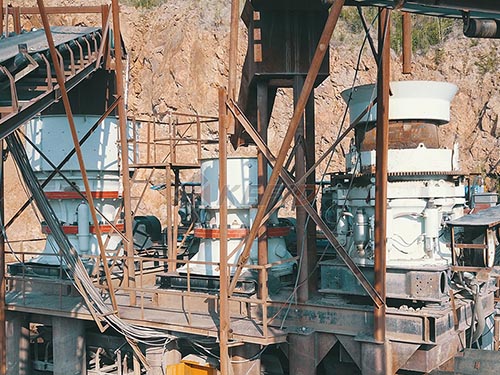
Delivery cannot be discussed in isolation from its prerequisites. The process begins with detailed client-OEM collaboration:Oem Quarry Ballast Crushing Equipment Delivery
  1. Site Analysis & Application Engineering: OEM engineers assess quarry geology (rock type, hardness, abrasiveness), required production capacity (tons per hour), final product specifications, and site constraints. This determines the optimal plant configuration.
  2. Design & Manufacturing: Upon contract signing, detailed design work commences. Components are manufactured in controlled factory environments using specialized techniques like CNC machining and robotic welding for structural integrity. Critical wear parts (mantles, concaves, jaw dies) are cast from proprietary alloys for maximum service life.
  3. Factory Acceptance Testing (FAT): Before disassembly for shipment, key components or entire plant modules may undergo FAT at the OEM’s facility. This verifies mechanical soundness, electrical functionality, control system logic, and performance against simulated conditions.

The Delivery Process: A Logistical Symphony

The physical delivery of such equipment is a complex operation categorized by method:Oem Quarry Ballast Crushing Equipment Delivery

1. Modularized or Skid-Mounted Delivery:
This is increasingly the industry standard for medium-to-large plants. The crushing plant is pre-assembled into large modules or skids at the factory—each containing a crusher, screen, or conveyor section with pre-installed motors, drives, and internal piping/wiring. These modules are then transported via specialized flatbed trailers or ocean-going cargo vessels.

  • Advantages: Dramatically reduces on-site installation time (weeks instead of months), improves quality control through factory assembly in ideal conditions minimizes on-site labor costs and safety risks associated with high-altitude steelwork.
  • Logistics: Requires careful planning for dimensional/weight constraints on roads (requiring permits) or within shipping containers.

2. Component-Wise Delivery:
For very large stationary plants or remote locations with access challenges equipment may be shipped as individual components (crusher frames motors walkways). This maximizes shipping space utilization but necessitates extensive heavy-lifting cranage skilled erection teams on-site for prolonged periods leading to higher installation costs schedule variability.

3. Mobile Plant Delivery:
Track-mounted or wheeled mobile crushers/screens offer a different paradigm They are often delivered as self-contained operational units either driven under their own power low-loader trailers These units prioritize flexibility rapid deployment over ultimate production volume making them ideal for smaller quarries satellite sites contract crushing projects.

Key Logistical Considerations:

  • Route Survey & Permitting: For oversized loads comprehensive route surveys are mandatory identifying obstacles like bridges tunnels power lines Permits must be secured from every jurisdiction along transit route
  • Port Handling & Ocean Freight: For international deliveries Incoterms FOB CIF DDP define responsibilities between OEM client at various stages Proper packing crating corrosion protection RUST preventative especially crucial sea voyage
  • On-Site Receiving & Storage: Client must prepare adequate secure laydown area with proper foundation work already completed Delivered items must be inspected against packing lists stored protectively from weather theft until installation begins

Commissioning: The Final Handover Milestone

Delivery is only complete upon successful commissioning which transforms delivered hardware into productive asset OEM technicians typically supervise this phase:

  1. Mechanical Erection & Alignment: Ensuring crushers screens conveyors are perfectly levelled aligned prevent premature wear vibration
  2. Electrical & Control System Integration: Connecting power supplies commissioning drives calibrating sensors programming control system
  3. Cold Commissioning: Running plant without material checking all mechanical movements safety interlopes
  4. Hot Commissioning: Feeding actual quarry rock tuning crusher settings CSS screen angles conveyor speeds optimize product gradation shape capacity
    5 Performance Acceptance Testing PAT Running extended period typically hours under agreed conditions demonstrate plant meets guaranteed capacity product specification energy consumption metrics Only after PAT signed off does final ownership operational responsibility fully transfer client

Challenges Risks in Delivery Process

Several risks can disrupt seamless delivery:

  • Geopolitical Supply Chain Disruptions: Tariffs port congestion global events can delay component availability shipping schedules
  • Documentation Customs Delays: Inaccurate incomplete commercial invoices certificates origin can cause lengthy costly customs holds destination country
  • Site Readiness Issues: Foundation not prepared access roads incomplete delaying offloading installation leading demurrage charges storage problems
  • Hidden Transport Damage: Despite careful packing shocks during transit can cause cracks frames misalignment bearings requiring repair before commissioning

Conclusion

The delivery of OEM quarry ballast crushing equipment is a sophisticated multidisciplinary process that bridges manufacturing excellence real-world application It underscores critical importance choosing reputable OEM not only technological prowess but also proven capability manage complex international logistics provide comprehensive after-sales support From initial design factory floor remote quarry site journey involves precision planning specialized transport meticulous handover In essence reliable efficient delivery sets stage decades productive operation ultimately supplying indispensable material that supports global rail networks infrastructure development backbone modern economy Therefore investing thorough professional management this phase not merely procurement exercise but fundamental strategic decision ensuring long-term viability profitability any ballast production project

Lorem ipsum dolor sit amet, consectetur adipisicing elit. Consectetur sequi saepe ut sunt eveniet perferendis excepturi, iste obcaecati. Qui tempore hic sed quia soluta obcaecati vel.