
The global construction and industrial sectors are underpinned by a vast, often unseen, supply chain. At its foundation lies limestone, one of the world’s most ubiquitous and versatile sedimentary rocks. While mining and manufacturing are distinct processes, their integration through Original Equipment Manufacturer (OEM) relationships forms a critical nexus that drives efficiency, innovation, and reliability in the limestone industry. This article provides a detailed examination of OEM limestone mining and manufacturing, exploring its processes, economic significance, technological drivers, environmental considerations, and future trajectory.
In this context, “OEM” refers to the specialized companies that design and manufacture the heavy machinery, equipment, and integrated systems used exclusively for limestone extraction and processing. These are not generic tools but highly engineered solutions tailored to the unique challenges of the quarrying environment. Key OEM players include global giants like Caterpillar, Komatsu, Sandvik, Metso Outotec, and FLSmidth, among others.
The relationship is symbiotic:
Modern limestone mining is a highly mechanized operation reliant on specialized OEM equipment at every stage.
Post-mining, raw limestone undergoes transformative processing via integrated OEM systems.
OEMs are at the forefront of technological advancement in this sector:
Automation & Remote Operation: Autonomous haul trucks (Caterpillar Command), remote-controlled drilling rigs, and automated crushing plants optimize safety (“removing people from harm’s way”) and consistency while allowing 24/7 operation in hazardous areas.
Digitalization & IoT: Fleet management systems (CAT MineStar®, Komatsu Frontrunner) provide real-time data on fuel consumption; location; machine health; predictive maintenance alerts; optimizing cycle times; reducing downtime; maximizing asset utilization across entire fleets
Predictive analytics use sensor data forecast component failures before they occur scheduling maintenance during planned shutdowns rather than reacting catastrophic breakdowns
Digital twins virtual replicas physical plants allow simulation testing process changes without disrupting actual production
*These technologies collectively drive significant gains operational efficiency cost reduction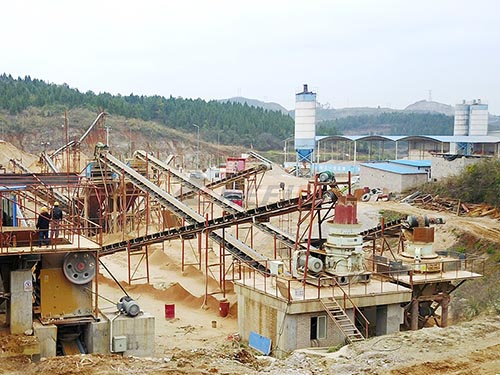
Sustainability Engineering: New engine designs meet stringent Tier 4 Final/EU Stage V emissions standards Electrification pilot projects involve electric hydraulic excavators battery-electric haul trucks stationary equipment powered renewable energy sources reducing carbon footprint noise pollution underground mines particularly benefit zero-emission equipment improving air quality worker health
The global market for construction aggregates alone exceeds $500 billion annually with crushed limestone constituting major share Industrial minerals lime market valued tens billions dollars Robust demand driven infrastructure development urbanization steel production environmental flue gas desulfurization water treatment agriculture
Capital-intensive nature industry means mining companies heavily depend financing leasing models offered by OEMs Total Cost Ownership TCO comprehensive metric evaluating purchase price operating costs maintenance resale value over equipment lifespan rather than just initial sticker price Strong OEM partnerships provide competitive advantage through access latest technology ensuring consistent product quality meeting tight specifications customers cement plants glass manufacturers
Supply chain resilience has become paramount post-pandemic disruptions highlighting importance localized service centers adequate parts inventories strategic stockpiles critical wear parts mantles concaves liners mill balls
Modern quarrying operates within strict regulatory social license framework requiring proactive mitigation measures Dust suppression systems enclosed conveyors baghouses control particulate emissions Water recycling circuits minimize freshwater consumption rehabilitate processed water Noise barriers low-noise equipment designs mitigate community impact Progressive rehabilitation concurrent mining restoring biodiversity preparing land post-mining use agriculture recreation wildlife habitats
Beyond compliance leading companies adopt biodiversity action plans net-positive impact goals engage transparently local communities stakeholders about operations benefits employment local procurement Community engagement isn’t peripheral activity but core business function securing long-term viability social acceptance
Life Cycle Assessment LCA methodology increasingly used quantify environmental impacts cradle gate inform decisions regarding equipment selection process design route lower-carbon products
Industry faces several converging trends shaping future Increased pressure decarbonize will accelerate adoption hybrid electric equipment alternative fuels hydrogen derived green electricity Automation digitalization will deepen moving towards fully autonomous quaries centrally controlled operations centers Artificial intelligence AI machine learning algorithms will optimize entire production chains real-time adjusting parameters maximize yield minimize energy consumption waste
Circular economy principles will gain prominence utilizing quarry by-products fines previously considered waste developing new applications mine site rehabilitation Urbanization secondary aggregates recycled concrete may compete some markets but demand high-purity chemical industrial grades will remain strong driven sectors pharmaceuticals food chemicals
Skilled workforce shortage remains challenge necessitating greater investment training leveraging augmented reality AR tools remote expert support making complex maintenance accessible less-experienced technicians Geopolitical factors trade policies resource nationalism could affect supply chains prompting greater regionalization sourcing manufacturing
Conclusion
OEM limestone mining manufacturing represents sophisticated highly integrated industrial ecosystem far removed simple image rock breaking It is field defined by technological precision economic scale environmental responsibility Dynamic partnership between mining operators equipment manufacturers drives continuous improvement across value chain From autonomous haul trucks navigating deep pits AI-optimized grinding mills producing micron-scale powders this nexus engineering innovation As world grapples needs sustainable development infrastructure renewal this sector will continue evolve providing essential materials backbone modern civilization while relentlessly pursuing efficiencies safety standards lower environmental footprint Through ongoing collaboration investment R&D OEM model ensures limestone industry meets future demands reliably sustainably
Lorem ipsum dolor sit amet, consectetur adipisicing elit. Consectetur sequi saepe ut sunt eveniet perferendis excepturi, iste obcaecati. Qui tempore hic sed quia soluta obcaecati vel.