
The journey of iron ore, from a raw, unrefined geological formation to the essential ingredient in global steel production, is a complex and capital-intensive process. At the very heart of this transformation lies the primary crushing and screening plant—a sophisticated assembly of heavy-duty machinery designed to reduce massive rocks into workable fragments. The entities responsible for designing, engineering, and manufacturing these critical systems are Original Equipment Manufacturer (OEM) iron ore crushing plant specialists. Their role extends far beyond simple equipment supply; they are pivotal partners in defining the efficiency, reliability, and profitability of mining operations worldwide.
An OEM in this context is a company that designs and manufactures complete systems or major components from the ground up, under its own brand. This contrasts with third-party suppliers who may offer aftermarket parts or modifications. For a mining company investing hundreds of millions into a new project, partnering with a reputable OEM provides several key advantages:
An OEM-designed iron ore crushing plant is typically configured in multiple stages to achieve a controlled reduction in size, optimizing the process for downstream milling and beneficiation.
1. Primary Crushing Station:
This is the first point of contact for run-of-mine (ROM) iron ore, which can consist of boulders measuring over 1 meter in diameter. The primary crusher must be exceptionally robust.
2. Secondary Crushing Stage:
The output from the primary crusher (typically 200-300 mm) is conveyed to the secondary crushing circuit. The goal here is further reduction to liberate more gangue (waste rock) from the iron oxide minerals.
3. Tertiary and Quaternary Crushing Stages:
For finer product requirements or harder ores, additional stages may be added.
4. Screening: The Critical Control Point
Screening is interwoven with every crushing stage. Vibrating screens separate the crushed material into various size fractions.
5. Material Handling:
A network of belt conveyors connects all stages of the plant.
When a mining company selects an OEM partner, it evaluates several critical factors:
The market for these massive plants is dominated by a handful of globally recognized European giants: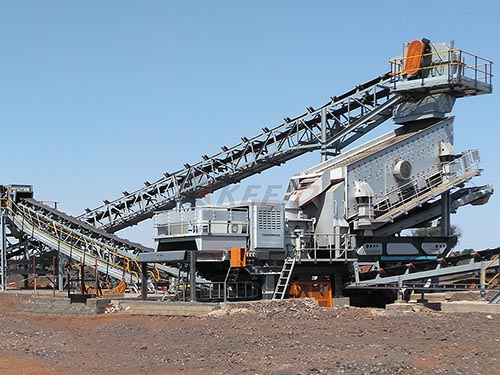
These companies represent decades – even centuries – worth accumulated expertise mechanical engineering metallurgy They continuously push boundaries developing smarter more sustainable solutions mineral processing
Looking ahead several key trends will shape how design build future plants:
Automation Digitalization Integration advanced sensors machine learning algorithms allows real-time optimization processes Predictive maintenance models can forecast failures before occur drastically improving availability
Sustainability Energy Efficiency Comminution crushing grinding accounts significant portion mine’s energy footprint next-generation equipment focuses reducing kilowatt-hours ton processed Water recycling dust suppression also critical design considerations helping miners meet environmental social governance ESG targets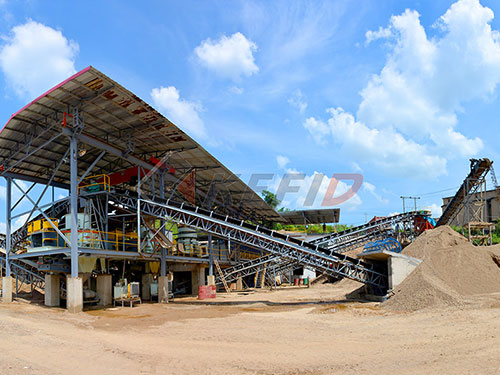
Modular Pre-Assembled Plants reduce on-site construction time risk remote locations manufacturers increasingly offering modular designs where major sections factory-built tested shipped as complete modules only requiring connection site This approach accelerates time production lowers overall capital cost
Conclusion
iron ore manufacturer far mere vendor heavy machinery serves strategic partner mining industry success hinges delivering integrated reliable efficient capable transforming some planet’s toughest materials consistent manageable feedstock global steel industry Through continuous innovation deep understanding process requirements these manufacturers remain indispensable enablers modern infrastructure economic development worldwide
Lorem ipsum dolor sit amet, consectetur adipisicing elit. Consectetur sequi saepe ut sunt eveniet perferendis excepturi, iste obcaecati. Qui tempore hic sed quia soluta obcaecati vel.