A Comprehensive Guide to OEM Coke Vibration Screens: Engineering, Selection, and Operational Excellence
Abstract
In the demanding environment of coke production—encompassing both metallurgical (foundry) coke and petroleum (green) coke processing—efficient particle size separation is a critical determinant of operational efficiency, product quality, and cost management. At the heart of this classification process lies the OEM Coke Vibration Screen, a specialized piece of equipment designed for robustness, reliability, and precise screening under severe conditions. This article provides a detailed exploration of OEM coke vibration screens, covering their fundamental principles, design variations, key selection criteria, maintenance protocols, and the intrinsic value of opting for Original Equipment Manufacturer (OEM) solutions.
1. Introduction to Screening in Coke Handling
Coke, a porous, carbon-rich material produced by heating coal or petroleum residues in the absence of air, is a vital feedstock for blast furnaces in steelmaking and for various carbon anodes. After production, coke is crushed and must be accurately screened into specific size fractions (e.g., blast furnace nut coke, breeze) to meet stringent customer specifications and process requirements. The screening environment is exceptionally harsh: materials are highly abrasive, dust-laden, and often hot. Standard screening equipment fails rapidly under such duress. OEM Coke Vibration Screens are engineered explicitly to withstand these challenges, ensuring continuous operation with minimal downtime.
2. Working Principle and Core Components
An OEM Coke Vibration Screen operates on the principle of imparting controlled mechanical vibrations to one or more screen decks containing meshes or punch plates with precisely sized apertures.
- Vibration Mechanism: The primary drive typically involves high-capacity vibrator motors or an eccentric shaft mechanism mounted directly on the screen body. These generate a circular, linear, or elliptical vibration motion. This motion fluidizes the bed of coke particles on the deck surface. Smaller particles stratify downwards and pass through the apertures (undersize), while larger particles (oversize) travel across the deck to a separate discharge spout.
- Core Components:
- Screen Box: The main frame, constructed from heavy-duty steel plates with robust cross members to resist fatigue from constant dynamic loading.
- Screen Decks & Media: The heart of separation. For coke applications, decks are often fitted with abrasion-resistant modular polyurethane panels or stainless steel wire mesh for finer sizes. For primary scalping of hot or large coke, heavy-duty rubber or perforated manganese steel punch plates are standard.
- Drive System: Consists of vibrator motors with adjustable eccentric weights (allowing for amplitude adjustment) or an exciter drive with bearings and shafts.
- Springs/Damping Elements: These isolate the vibrating frame from the supporting structure, transmitting minimal dynamic forces to the building. Steel coil springs or rubber shear mounts are common.
- Dust Enclosure: A sealed canopy with inspection doors and connections for dust extraction systems is crucial for controlling particulate emissions and maintaining a safe working environment.
3. Design Variations and Types
OEMs offer several configurations tailored to different stages of the coke screening circuit:
- Heavy-Duty Scalping Screens: Positioned after primary crushers to remove oversized material (+75mm). Characterized by extreme durability, single or double deck setups with punch plate decks.
- Multi-Deck Classification Screens: The workhorses for producing multiple product grades simultaneously (e.g., separating +25mm, 25-10mm, -10mm fractions). Typically feature two to four decks.
- Linear Motion Screens: Employ a straight-line vibration path ideal for dewatering washed coke or handling sticky materials at lower stroke rates.
- Circular/ Elliptical Motion Screens: Provide aggressive material conveyance and high throughput for dry classification of crushed coke.
- Banana or Multi-Slope Screens: Feature progressively flatter deck angles along the material flow path. This design optimizes stratification at the feed end (steep slope) and increases screening accuracy at the discharge end (shallow slope), offering very high capacity in a compact footprint—a premium OEM solution for high-tonnage plants.
4. Critical Selection Criteria: The OEM Advantage
Choosing an OEM screen over a generic alternative is an investment in total cost of ownership. Key selection parameters underscore this advantage: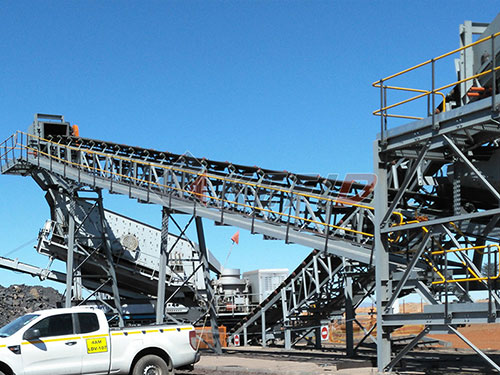
- Application-Specific Engineering: OEMs design based on exact feed characteristics: lump size distribution (<80mm vs >150mm), moisture content (sticky vs dry), temperature (ambient vs >200°C), and required capacity (TPH). They perform computer-aided dynamic simulation to ensure structural integrity.
- Material Science & Build Quality: OEMs utilize proprietary grades of abrasion-resistant steel (AR400/500 liners), high-strength alloys for side plates, and advanced polyurethane compounds for screen panels that offer superior wear life compared to generic substitutes.
- Precision Balancing & Dynamics: Proper dynamic balancing during manufacturing minimizes harmful harmonic vibrations that lead to premature bearing failure and structural cracks—a common point of failure in poorly engineered screens.
- Drive System Reliability: OEMs integrate heavy-duty bearings specifically rated for vibratory applications with advanced sealing technologies (labyrinth seals with grease purging) to exclude abrasive coke dust.
- Modularity & Ease of Maintenance: Modern OEM designs feature split housings for quick bearing replacement without full disassembly; tensioning systems that allow rapid screen panel changes; and standardized parts across models.
5. Operational Best Practices & Maintenance
Even the best-engineered screen requires proper operation and care: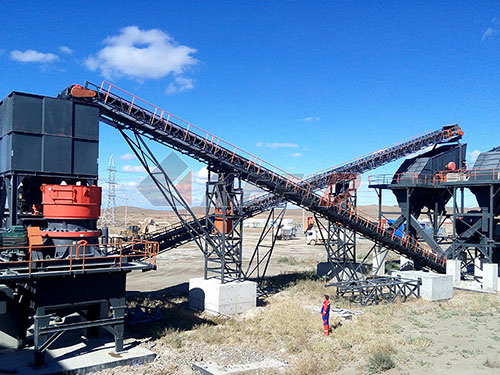
- Installation & Alignment: Must be installed level on a properly designed substructure capable of handling dynamic loads. Feed chutes must be aligned centrally onto decks to prevent uneven wear patterns (“tramp” wear).
- Feeding Conditions: A consistent feed rate via a regulated feeder is essential. Overfeeding (“flood feeding”) smothers vibration action drastically reducing efficiency; underfeeding fails to utilize screen area effectively.
- Preventive Maintenance Schedule:
- Daily: Visual checks for unusual noise/vibration; inspect dust seals; check fastener tightness (“bolt torque checks”).
- Weekly: Inspect screen media condition; check spring integrity; monitor motor amperage draw as an indicator of load/blockage.
- Monthly: Lubricate vibrator bearings per strict OEM guidelines—both overlubrication and under-lubrication are detrimental.
- Annually/Bi-Annually: Comprehensive inspection including bearing clearance checks using vibration analysis tools.
6.The Economic Case for Genuine OEM Parts & Service
While third-party parts may seem cost-effective initially,the long-term economics favor genuine OEM components:
1.Guaranteed Performance:OEM panels,motors,and drives are guaranteed fit-for-purpose,matching original performance specifications exactly.This ensures consistent product sizing which directly impacts downstream process efficiency(e.g.,blast furnace permeability).
2.Predictable Wear Life:OEM parts come with documented wear life expectations based on field data.This enables accurate maintenance planning,inventory control,and avoidance unplanned outages that can cost thousands per hour in lost production
3.System Warranty Protection:Using non-OEM parts often voids warranties on associated assemblies like drive units.OEM support provides technical expertise,troubleshooting assistance,and performance optimization over entire lifecycle asset
4.Safety Compliance:Genuine parts ensure machine maintains its designed safety standards particularly regarding structural integrity guarding enclosures electrical systems critical hazardous environments like coking plants where combustible dust present
Conclusion
The role played by properly specified maintained vibrating screens within modern coking operations cannot overstated.They represent pivotal technology enabling producers meet exacting quality demands while maximizing yield minimizing waste.For operations seeking optimal reliability throughput longevity investing high-qualityOEM Coke Vibration Screen backed comprehensive engineering support not merely purchase but strategic decision toward achieving operational excellence.The inherent ruggedness application-specific design genuine manufacturer support combine deliver lowest total cost ownership highest return investment through years dependable service under most punishing industrial conditions
